

Addressing Workforce Burnout in Critical Transplant Jobs
Transplant jobs demand sustainable staffing to reduce burnout and maintain quality care. Learn how leading programs support perfusion and recovery teams.
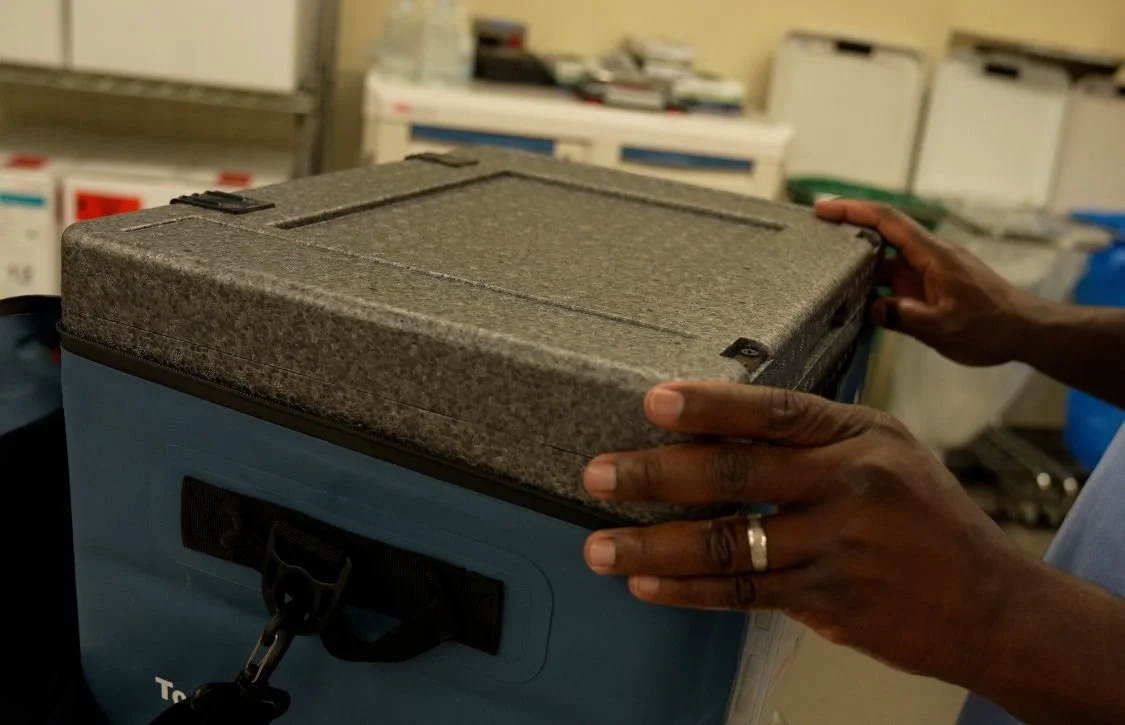
Standardizing Documentation for Long-Distance Organ Transportation
Long-distance organ transportation requires consistent documentation to reduce risk. Discover the framework transplant programs use to improve accuracy and continuity.
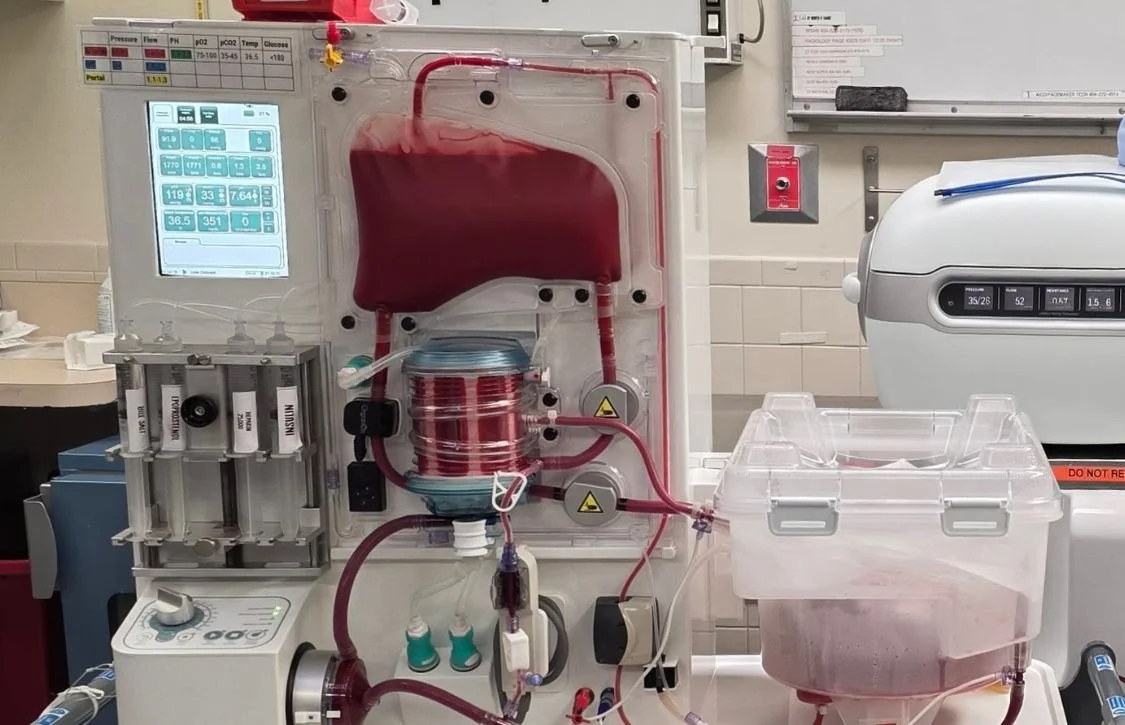
Kidney Normothermic Machine Perfusion and the Push to Reduce Organ Discard
Normothermic machine perfusion is changing how transplant programs assess marginal kidneys. Explore the evidence on reducing organ discard and expanding transplant opportunities.
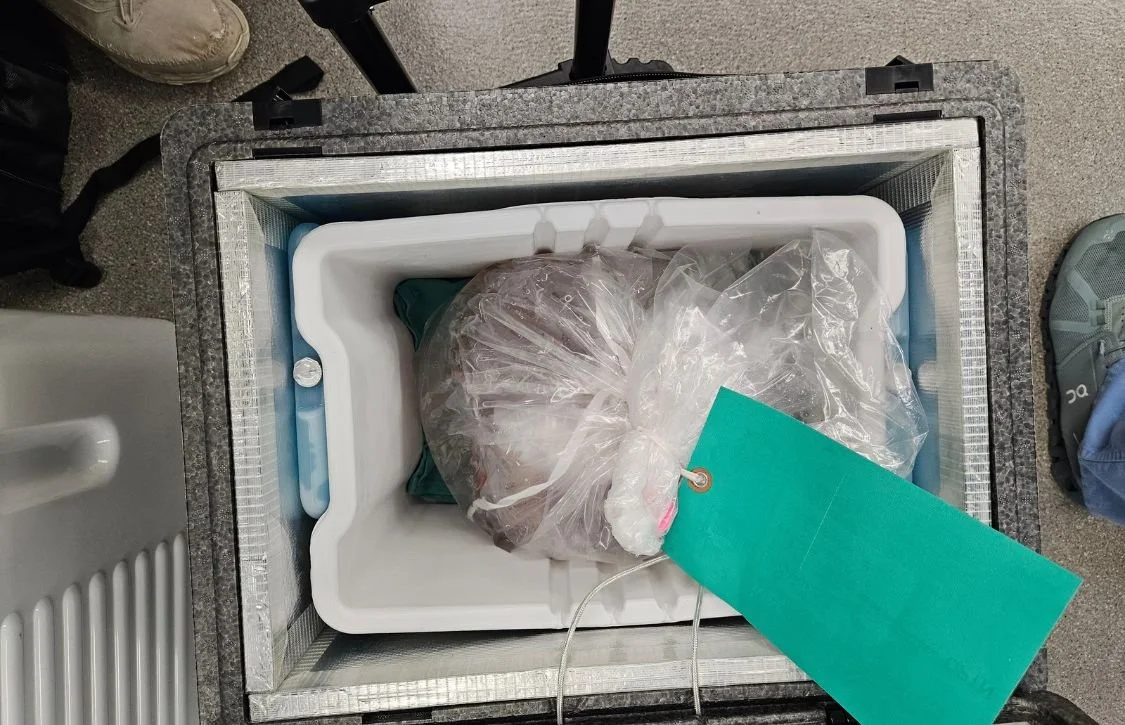
Organ Transplant Transportation: Balancing Cost, Risk, and Clinical Support
Effective organ transplant transportation balances cost with organ quality. Learn how leading programs manage both without compromising patient outcomes.
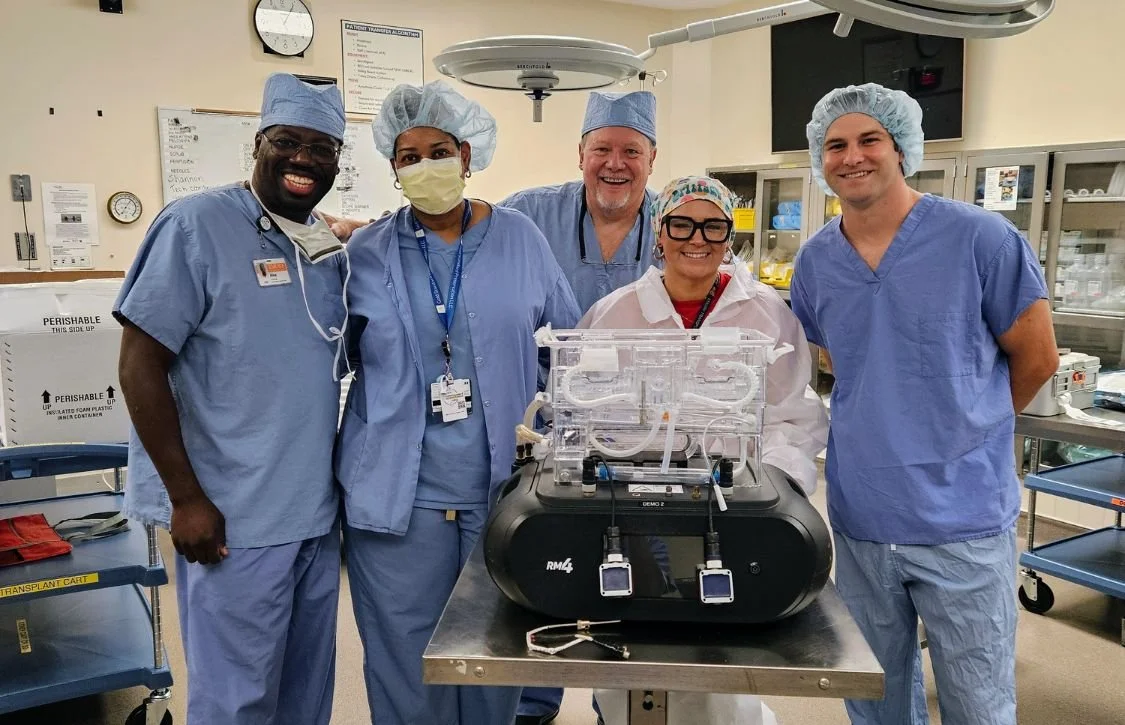
Enhancing Surgical Reliability With Dedicated Transplant Specialist Support
A dedicated transplant specialist improves consistency across complex procedures. Discover how leading programs build reliable surgical support models.

Reducing FTE Overhead in Leading Liver Transplant Centers
Optimize liver transplant perfusion staffing without sacrificing quality. Explore proven coverage models that reduce FTE overhead while maintaining reliable clinical support.
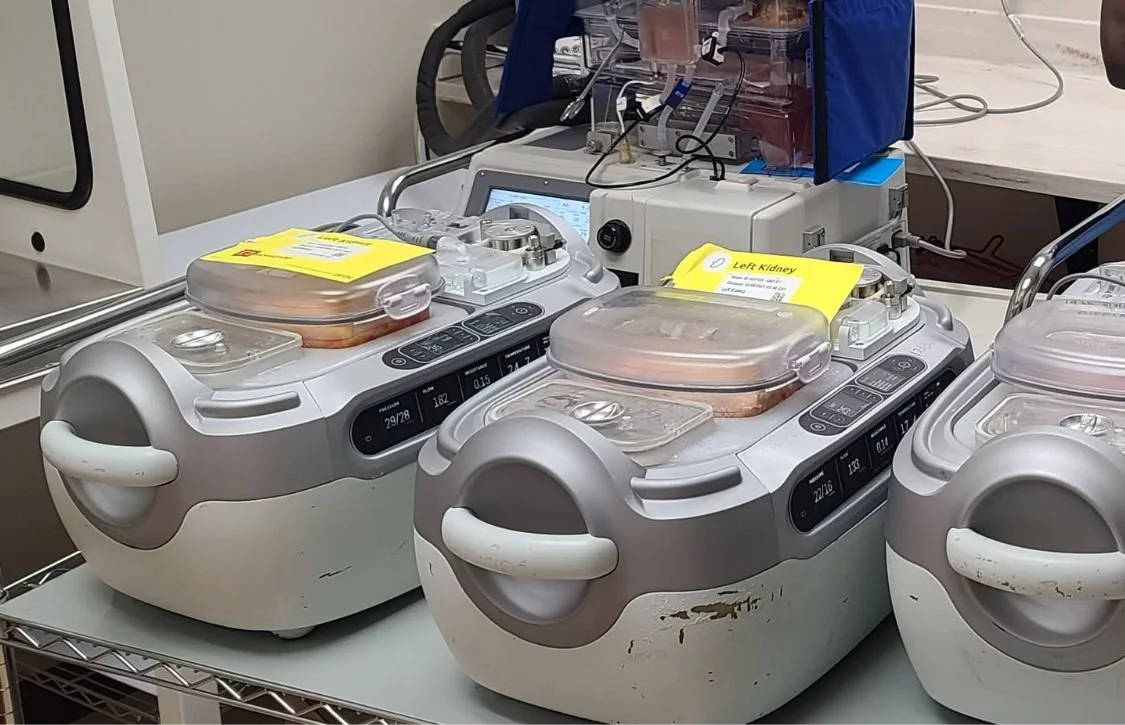
Evaluating the Success Metrics of Hospital-Based Perfusion Programs
Strong perfusion programs measure more than case volume. Learn which performance metrics leading transplant centers track to demonstrate clinical and operational value.
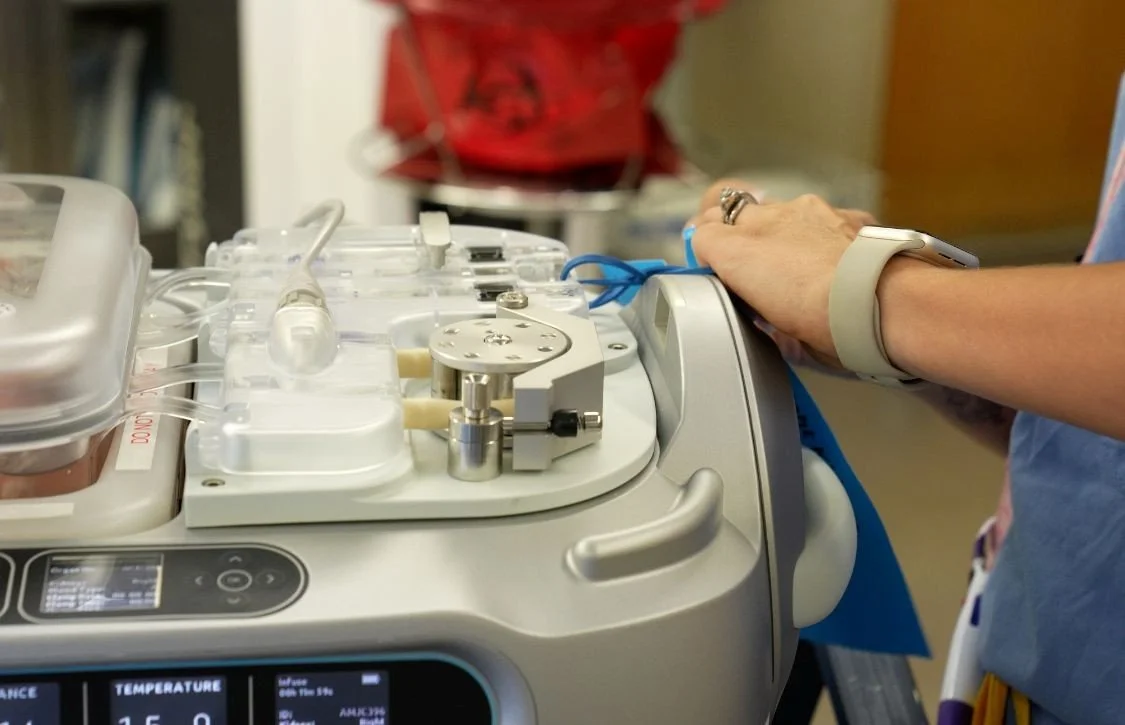
Utilizing Machine Perfusion to Optimize Kidney Placement Success
Discover how this technology helps optimize placement decisions, reduce organ discard rates, and improve transplant success.

Reducing Admin Burdens for the Modern Organ Procurement Coordinator
Learn how streamlined processes, improved coordination, and specialized support help the organ procurement coordinator reduce paperwork, improve efficiency, and strengthen transplant operations.

Developing a Sustainable Organ Perfusion Program: A Strategy for Hospitals
Discover how a sustainable perfusion program strengthens organ preservation, improves operational efficiency, and supports better transplant outcomes.
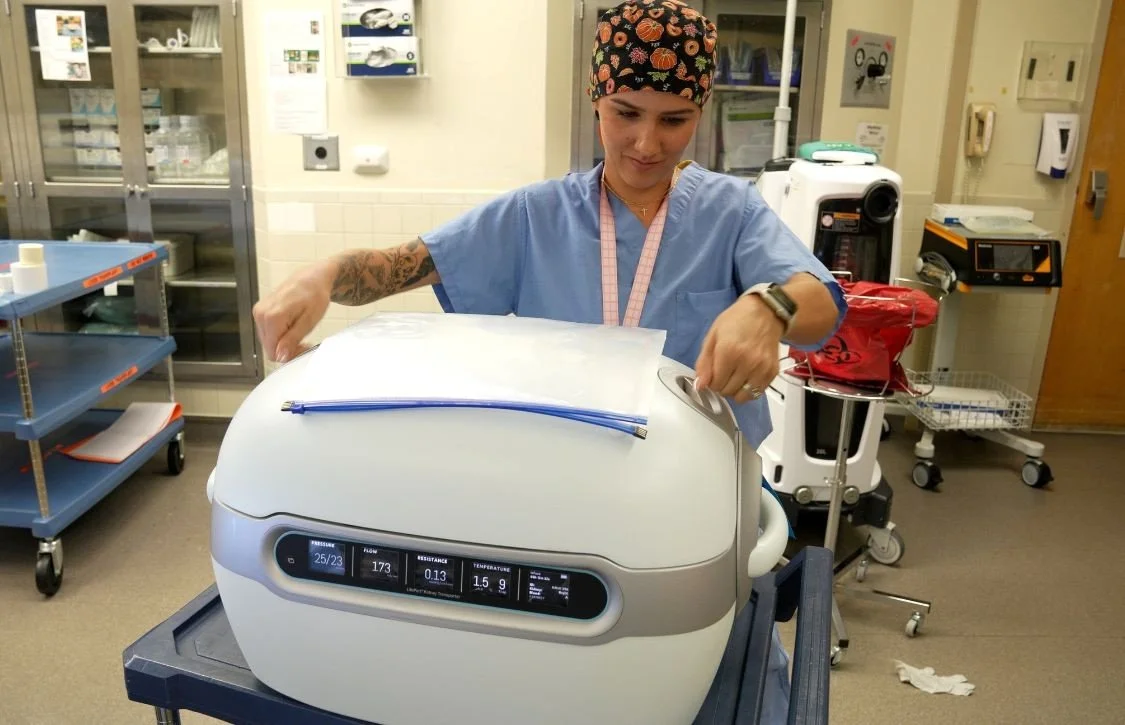
Beyond Delivery: The Role of Clinically-Informed Medical Logistics Companies
Learn how clinically informed logistics providers enhance coordination, reduce risk, and support healthcare teams with specialized transport solutions that improve patient care and operational efficiency.
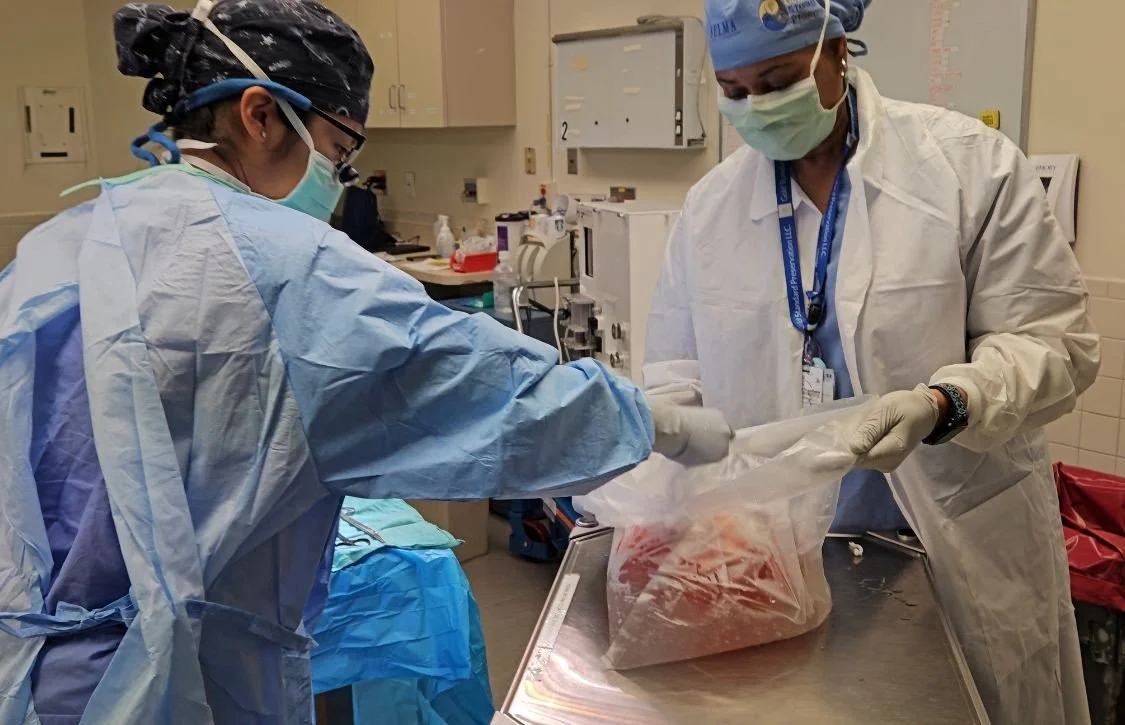
Expanding Capacity for High-Risk Solid Organ Transplant Recovery
Explore strategies that improve recovery operations, enhance coordination, and help healthcare teams manage complex solid organ transplant cases with greater confidence.

How Specialized Transplant Transportation Services Reduce Operational Strain
Specialized transplant transportation services help healthcare teams overcome complex logistical challenges with faster coordination, reliable organ delivery, and streamlined operations. Discover how expert transport solutions reduce operational strain while supporting successful transplant outcomes.
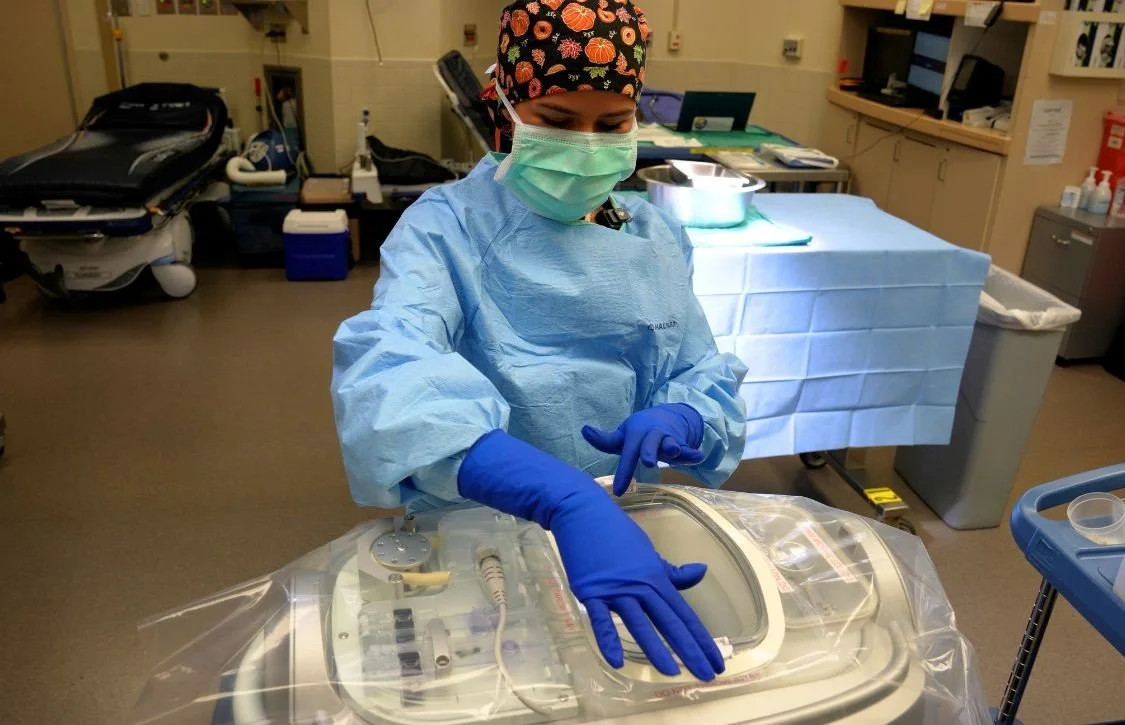
Ensuring Quality Control During High-Stakes Organ Donor Transport
Discover the best practices that help preserve organ viability, maintain regulatory compliance, and ensure safe, timely delivery for successful transplantation.
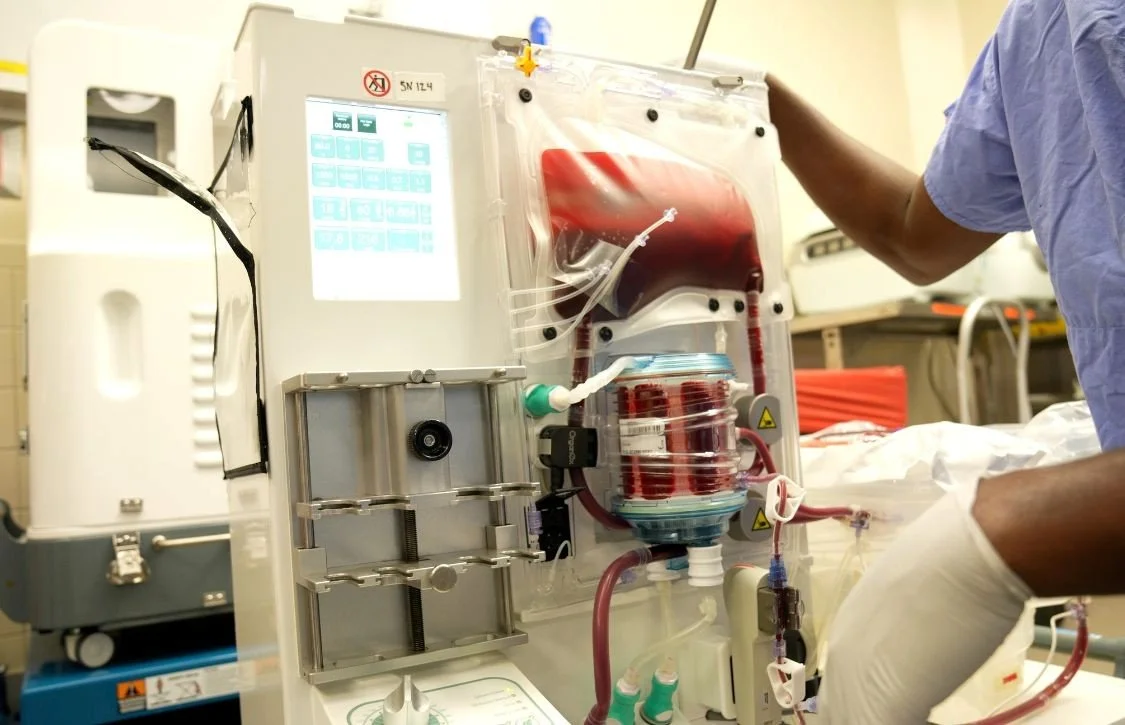
Technical Innovation in Organ Transplantation: A Roadmap for Administrators
Learn how technical innovation in organ transplantation is transforming healthcare systems, improving patient outcomes, and helping administrators streamline transplant operations and decision-making.

Scaling Transplant Services Without Increasing Fixed Internal Headcount
Transplant volume doesn't grow in a straight line. Here's how programs scale their services without locking in overhead costs they cannot sustain.

Building a More Resilient Infrastructure for Modern Organ Transplantation
Most centers invest in equipment before they invest in the operational discipline. The four components that actually determine resilience in organ transplantation are less visible and more consequential.

Ensuring Operational Readiness for Emergency Organ Perfusion Pump Deployment
A perfusion pump sitting in storage is not a readiness plan. Here is what it takes to deploy reliably when a case demands it.

Solving the Talent Gap: Why Specialist Organ Perfusion Jobs Are Evolving
The competency bar for organ perfusion jobs has risen steadily. Here is what is driving the talent gap and what programs can do about it.

Evaluating the ROI of Outsourced Organ Perfusion Services for Transplant Programs
Building in-house organ perfusion capacity costs more than most programs expect. Here is what to weigh before committing to either model.