
Maintaining Competency Across Multiple Organ Perfusion Equipment Platforms
Transplant centers and Organ Procurement Organizations (OPOs) are acquiring perfusion equipment faster than they can master the clinical skills to use it. Typically, a center running normothermic machine perfusion (NMP) for liver cases and hypothermic machine perfusion (HMP) for kidneys needs staff who can operate both. They also need professionals who can read each device's data with equal confidence and shift between platforms without a drop in quality. This is the real training challenge facing organ transplant programs. Unfortunately, most centers are still working out how to meet these heightened standards.
Why Multi-Platform Competency Is Getting Harder to Sustain When Using Perfusion Equipment
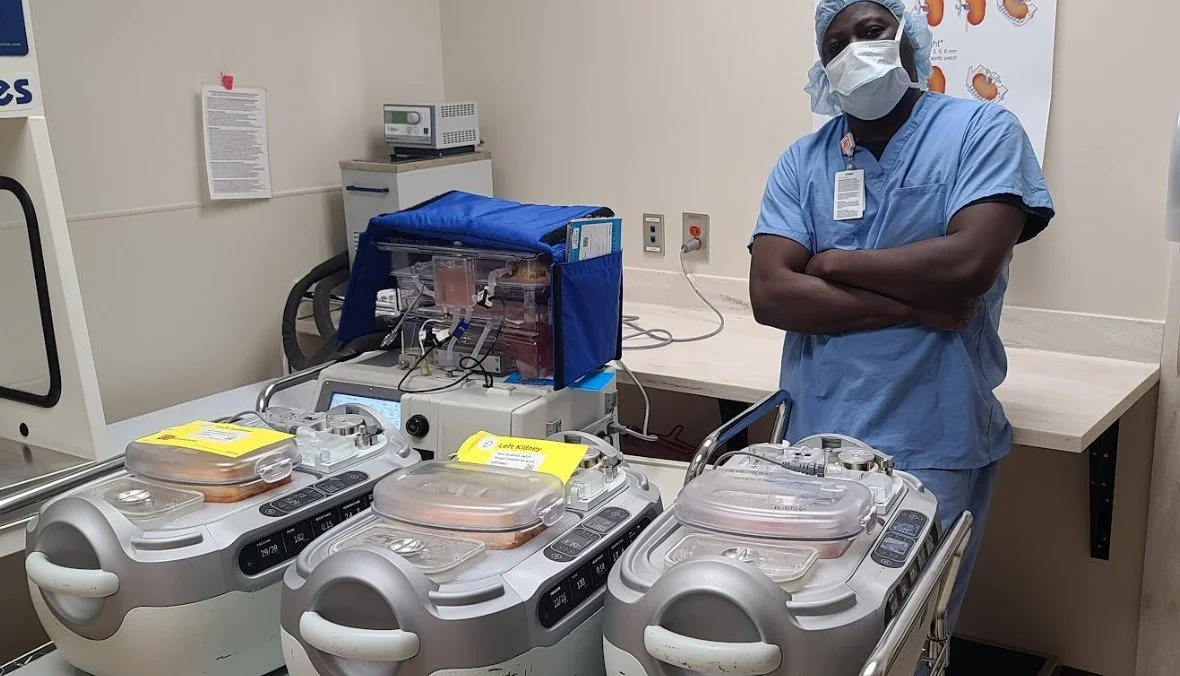
The range of perfusion equipment in active clinical use has grown fast. Each platform has its own setup steps, its own perfusate mix, its own target ranges, and its own failure points. A clinician trained on one device is not ready for another, even if the underlying biology is similar. The gap between platforms is specific enough that working without platform training creates real risk.
This matters more now because many centers are not running a single platform. The OPTN noted that OPOs are buying their own perfusion devices alongside those already in use at transplant centers. This adds complexity and puts new demands on clinical teams expected to cover more than one device. A team that can only cover one platform confidently is a coverage gap waiting to happen, and most centers discover that gap at the moment they can least afford it.
When a center runs NMP for livers and HMP for kidneys, the team needs skill on both. When a partner OPO uses a different device than the transplant center, the team must adapt without dropping the standard.
The challenge is not only technical. It is also organizational. How does a center keep staff current across multiple platforms when case volume on any one device may not be high enough to maintain skill through exposure alone? This question does not have a simple answer, but it has a structured one.
What Competency Across Perfusion Equipment Actually Requires
Device fluency across perfusion equipment isn’t reliant on a single discipline. Teams need to master a set of interconnected skills that work in a specific order.
1. Setup and Operational Readiness
Each device has a defined setup sequence. It must run correctly before an organ goes on circuit. Setup errors in priming, cannulation, or parameter configuration create problems that are harder to correct once the organ is connected. Staff need to show reliable skills on each platform before working alone.
2. Reading Data Across Platforms
Perfusion equipment generates a constant stream of data: flow, resistance, pressure, temperature, pH, base excess, and lactate. The normal ranges and expected trends differ between HMP and NMP, and between liver and kidney applications. A clinician reading HMP data through an NMP lens may miss a real warning or flag a normal response as a problem. Competency here means knowing what normal looks like on each device, in each clinical setting.
3. Troubleshooting Under Pressure
When a circuit behaves in an unexpected way, the clinician needs to identify what the device is showing, what it means for the organ, and what to do. Rising resistance, a worsening acid-base trend, or a device alert each carries different meanings on different platforms. A response that is correct on one device may be wrong on another. This is where platform-specific training shows its value most clearly.
4. Consistent Documentation
Each piece of perfusion equipment generates its own data output. Clinical notes need to capture what happened, what the team did, and why. Centers that hold a consistent documentation standard across all their devices build a record that supports quality review. By contrast, centers that document differently across platforms lose the ability to track trends or catch drift before it becomes a pattern.
How to Build a Competency Framework That Holds Across Perfusion Equipment
Keeping the team’s skills abreast with perfusion equipment technology is not a one-time credentialing step. Rather, it’s a continuous commitment to training that requires a clear structure.
Role-specific training paths define what each team member must show on each platform before working alone. These paths vary by role. A specialist managing the circuit during transport has different requirements than one whose main job is setup and handoff. Clear role definitions prevent gaps from hiding behind collective team experience.
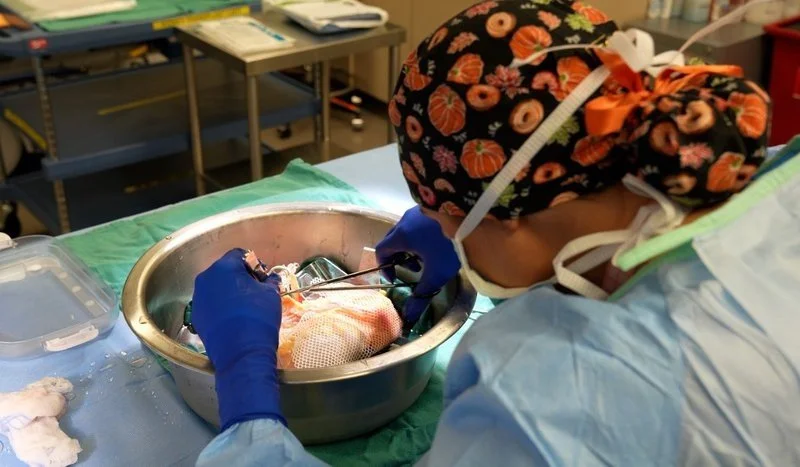
Simulation fills the gap when live case volume is not enough to keep skills sharp. For devices that see lower use at a given center, structured drills covering setup, data review, and troubleshooting scenarios keep skills current between cases. Furthermore, the ASTS 2025 National Collaboration Forum on Organ Machine Perfusion and Preservation named simulation and structured training as key priorities as the field works to set shared competency standards.
Competency validation needs clear thresholds. A skills checklist that asks a clinician to perform specific steps at each stage of a perfusion run creates a documented record of readiness. This supports internal quality review and gives a baseline for re-validation as devices and protocols change.
Case review connects the pieces. Centers that review cases across their perfusion equipment platforms using a shared format can see which devices generate the most variation and where clinical training needs to focus. Without this review cycle, gaps build quietly instead of surfacing before they affect outcomes.
How External Clinical Support Fits a Multi-Platform Strategy
Not every center can maintain high competency across all the perfusion equipment it runs. Case volume may not support it. Staff turnover may erode it. New device purchases may move faster than the training structure can keep up with. In those situations, external support is not a workaround. It is a practical part of the coverage model.
A device-agnostic clinical partner trained across multiple platforms provides consistent coverage while internal competency develops. This partner can also support simulation and skills validation, and hold the documentation standards that make quality review possible. Our clinical training offerings are built around this model: role-specific paths, device-specific thresholds, and scenario-based checks that confirm readiness rather than assumed skill. If your center manages perfusion equipment competency across multiple platforms, we’ll be more than happy to help. Contact us today so we can tell you more about GSP’s structured support.