
Organ transplantation has undergone a profound technological shift over the past decade. Transplant administrators are navigating decisions that carry enormous clinical and operational consequences. From machine organ perfusion platforms to advanced data-driven logistics, the tools available today are reshaping what programs can accomplish. For hospital and transplant center leadership, staying ahead of the curve is no longer optional.
Key innovations driving change in modern organ transplantation deserve a closer look. A practical framework helps administrators evaluate how to integrate new technologies without compromising stability, staff capacity, or financial performance.
The Technology Landscape of Organ Transplantation in 2026 and Beyond
Three categories of innovation in organ transplantation are shaping transplant program performance right now. Each one addresses a distinct bottleneck in the donor-to-recipient pipeline, from preservation to placement. Together, they are reshaping how programs evaluate risk, expand donor pools, and coordinate time-sensitive logistics.
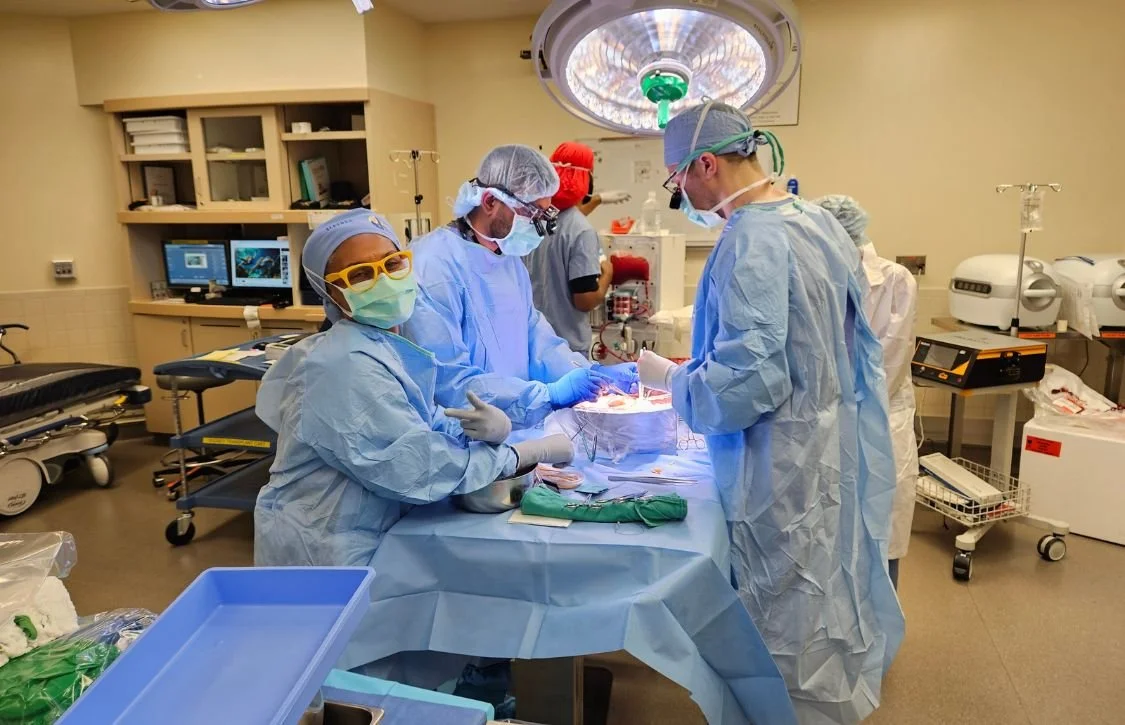
Understanding where each technology sits on the adoption curve helps administrators plan capital investments and staffing with clearer priorities. Machine perfusion has entered mainstream clinical use, while AI-driven allocation tools sit in a rapid growth phase. Logistics platforms remain the newest layer, gaining traction as programs push for shorter cold ischemia times. Mapping current capabilities against these three tracks lets program leaders sequence investments to match budget cycles and clinical readiness.
Machine Organ Perfusion
Normothermic machine perfusion (NMP) and hypothermic machine perfusion (HMP) have moved from early clinical trials to growing clinical adoption. NMP keeps organs viable at body temperature. As a result, transplant teams can assess organ function before transplantation. This approach also supports better clinical decision-making.
Meanwhile, HMP keeps organs in a cold perfused state during transport. This helps reduce ischemic injury. Compared to traditional cold storage, HMP can better preserve organ quality.
Peer-reviewed data published in journals such as the American Journal of Transplantation continue to support broader clinical applications for both modalities, particularly for marginal and extended-criteria donors.
Organ Viability Assessment Tools
Real-time viability monitoring during machine organ perfusion allows clinical teams to make more informed decisions about organ acceptance. Devices like the OrganOx metra for liver NMP and various HMP consoles for kidneys, supported by device-agnostic organ perfusion machine support, generate perfusion data that can support or refute acceptance of higher-risk organs. These tools are expanding the usable donor pool, enabling programs to accept organs they would previously have declined due to uncertainty about viability.
Digital Logistics and Coordination Platforms
Better coordination leads directly to shorter cold ischemia times and improved patient outcomes. However, administrators must still assess whether their clinical teams and infrastructure can keep up with the demands of the technology, an assessment that often starts with advanced organ preservation capabilities already in place.
What This Means for Transplant Administrators
Technology alone does not improve outcomes in organ transplantation. The real determinant of success is whether a transplant program has the clinical expertise, staffing infrastructure, and operational protocols to deploy these tools consistently and safely. Many programs find themselves in possession of advanced perfusion equipment with insufficient coverage to use it reliably.
The most pressing operational questions facing administrators today include:
• How do we support 24/7 NMP and HMP coverage without adding significant FTE headcount?
• Do our clinical staff have the training and competency to manage multiple perfusion platforms?
• How do we standardize workflows across shifts, surgeons, and facilities to ensure consistent quality?
• What documentation and quality management infrastructure supports machine organ perfusion at scale?
What Administrators Get Wrong
Furthermore, one of the most common mistakes transplant administrators make in organ transplantation is viewing technology acquisition as the end goal rather than the beginning of a broader operational process. For instance, although a program may invest in the latest NMP platform, it may still fail to achieve meaningful improvements in organ utilization or case volume if the necessary clinical infrastructure is lacking. In addition, technology alone cannot resolve staffing shortages, standardize workflows, or ensure consistent documentation.
Similarly, a second common error is underestimating the training burden. Indeed, each new perfusion platform requires device-specific training, competency verification, and ongoing continuing education.
Consequently, programs that add new technology without a corresponding investment in clinical education create a gap between what the technology can do and what their team is equipped to deliver. As a result, the operational result is inconsistency, which compounds the risk of quality events.
Ultimately, the most successful administrators approach technology integration as a system-level change that touches staffing, training, workflows, and quality management simultaneously rather than sequentially, an approach reflected in what it takes to build resilient infrastructure for modern organ transplantation.
Building a Technology-Ready Organ Transplantation Program
A technology-ready transplant program is defined by three pillars: trained clinical personnel, standardized protocols, and a reliable operational partner. For most programs, the fastest path to readiness is not hiring new full-time staff, but rather establishing a clinical services partnership that provides device-agnostic expertise on a flexible coverage model.
Programs exploring how to scale without overextending internal resources can review outsourced organ perfusion coverage options that provide 24/7 clinical depth without fixed overhead.
A device-agnostic partner, one that operates across multiple perfusion platforms rather than being tied to a single manufacturer, gives programs flexibility as technology evolves. This is increasingly important as the organ transplantation field continues to see new devices enter clinical use.
The Case for Phased Integration
Administrators do not need to adopt every new technology simultaneously. Instead, a phased integration strategy enables programs to gradually build capacity, assess outcomes along the way, and strengthen team competency before moving on to broader implementation.
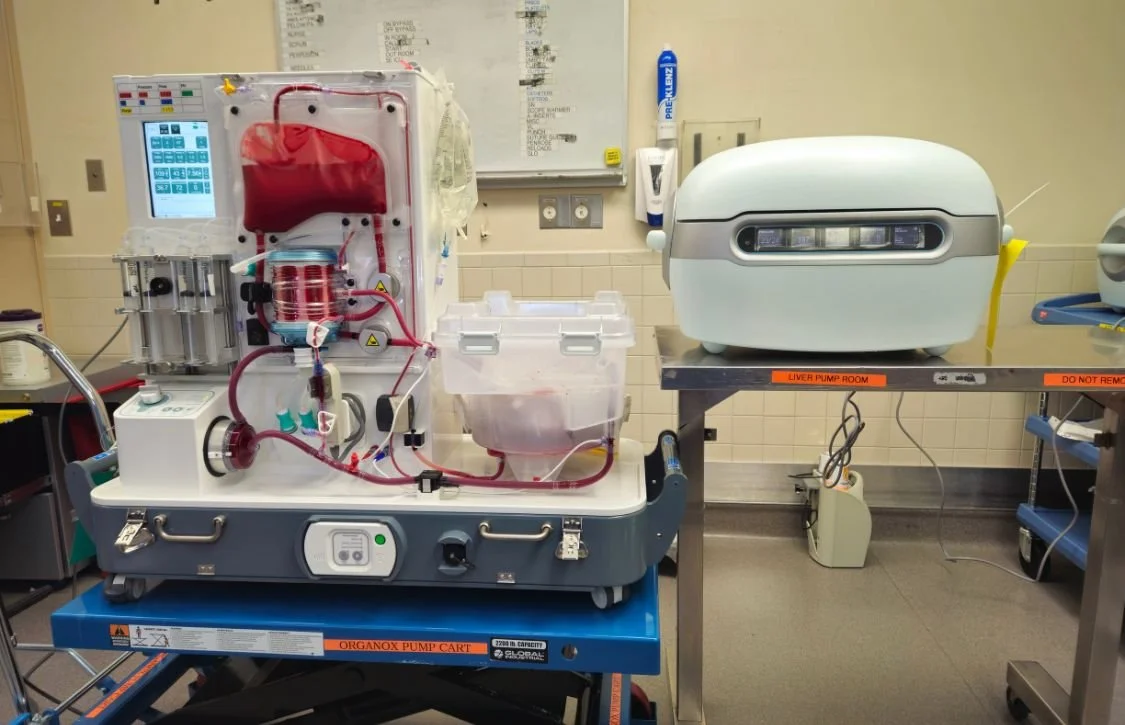
A common sequence looks like this:
1. Implement HMP for kidney perfusion with expert clinical support
2. Add NMP capability for liver recovery, initially for select cases
3. Expand NMP use across higher-risk and extended-criteria donors
4. Standardize documentation, reporting, and quality metrics across all modalities
Each phase should be supported by formal training, workflow documentation, and defined quality benchmarks before progressing. Programs that skip phases in the interest of speed often find themselves revisiting foundational operational problems at the worst possible time.
What Strong Administrative Leadership Looks Like
The transplant administrators who are navigating this landscape most effectively share several characteristics. They are asking their clinical partners direct questions about device expertise, coverage models, and quality metrics. They are treating organ perfusion support as a strategic investment rather than a line item cost. And they are insisting on documentation and accountability at every step.
If your program is evaluating how to integrate advanced organ transplantation technologies without overburdening your existing team, the first step is an honest assessment of where your gaps are. Clinical coverage, device training, documentation, and 24/7 operational readiness all need to be on the table.
Gold Standard Preservation works with transplant centers and OPOs to build the clinical infrastructure that turns technology investment into reliable program performance. Contact Gold Standard Preservation to get started.