
How Specialized Transplant Transportation Services Reduce Operational Strain
Operational strain is one of the defining challenges facing transplant programs today. Clinical teams are managing more complex cases, accepting higher-risk organs, and working across extended geographic ranges, all while dealing with staffing limitations and unpredictable timing. Transplant transportation services are often the invisible variable in this equation, either absorbing operational pressure or amplifying it.
Programs that treat transportation as a background logistics function rather than a clinically integrated service tend to encounter the same problems repeatedly: communication breakdowns, documentation inconsistencies, ischemia time creep, and reactive problem-solving in the middle of high-stakes recoveries. Programs that take a more deliberate approach to transplant transportation see measurable improvements in reliability and team stress.
What Operational Strain Actually Looks Like
Operational strain in transplant programs rarely announces itself as a single catastrophic failure. It accumulates gradually, through small friction points that compound across weeks and months, often centered on gaps in transplant transportation services. Each case that runs slightly off-plan adds pressure that carries into the next one, and clinical teams absorb the difference.
The patterns tend to look familiar across programs of different sizes and specialties. Coordinators recognize them, medical directors flag them in quality reviews, and OR teams talk about them in the break room. Naming these patterns is the first step toward addressing them at the systems level rather than the individual case level.
What that accumulation looks like day to day:
• Late-night calls to coordinate logistics without a clear point of contact
• OR teams waiting on organs because transportation timing shifted without warning
• Clinical staff doubling as logistics coordinators because there is no defined process
• Inconsistent handoff documentation between transport personnel and receiving teams
• Recurring scrambles to cover recoveries that fall outside normal staffing hours
Each of these friction points adds burden to already stretched teams. Over time, the cumulative effect contributes to burnout, reduced program capacity, and avoidable errors.
The Human Cost of Operational Strain
It is easy to frame operational strain as an efficiency problem. But the impact falls on real people: coordinators fielding calls at 3 AM with no clear protocol to follow, OR teams on standby waiting for information about timing, and clinical staff absorbing the stress of logistics that should have been resolved before the case began. That human cost matters beyond individual job satisfaction, because it directly drives the turnover and staffing instability that makes strain worse over time.

Programs that address transportation as a systems issue, rather than expecting their clinical teams to absorb the friction, protect not just operational performance but also the people responsible for delivering it. This is one of the most underappreciated arguments for investing in specialized transplant transportation services: they do not just improve logistics outcomes, they reduce the burden that falls on your team.
There is also a longer-term talent retention dimension to consider. Clinical coordinators and OR teams who regularly operate in high-friction, poorly supported environments tend to leave, and the turnover costs associated with experienced transplant personnel are significant. Programs that invest in reducing operational strain through better transportation partnerships are also investing in the stability of the clinical teams that depend on those systems every day.
How Specialized Transplant Transportation Services Address These Pressures
The distinction between generic medical logistics and specialized transplant transportation services is significant. Generic logistics companies move time-sensitive medical goods. Specialized transplant transportation services are staffed by or integrated with clinical personnel who understand the specific requirements of organ procurement and preservation, including ischemia time sensitivity, perfusion equipment handling, and real-time communication with transplant teams.
This clinical integration is what makes the difference. Programs that work with clinically informed transport partners report fewer communication gaps and more consistent organ condition at implantation.
Key Functions That Reduce Operational Strain
Operational strain during organ transport rarely comes from one single breakdown. It builds from coordination gaps, inconsistent coverage, and equipment complexity that clinical teams are left to manage on top of everything else.
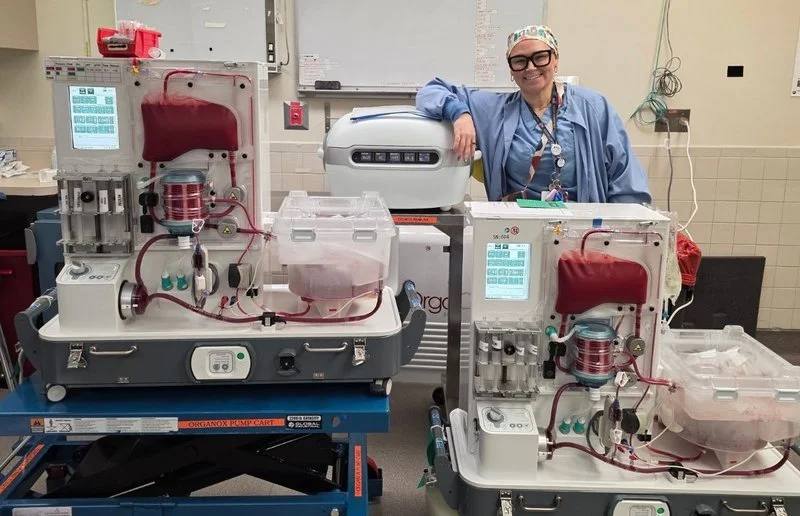
A specialized transplant transportation service addresses these pressure points through structure. Here’s how:
• Coordinated Communication Protocols - Specialized transport services use defined communication checkpoints from procurement through delivery. The receiving team always knows when to expect updates, who to contact, and what documentation to expect.
• 24/7 Availability and Accountability - Organ recovery does not follow business hours. A service with true 24/7 clinical accountability removes the late-night scramble so teams can focus on preparation.
• Equipment Handling Competency - Machine organ perfusion adds complexity to every transport case. Trained personnel reduce equipment errors in transit and ensure organs arrive in optimal condition.
• Standardized Documentation - Every case should produce a consistent record. Ischemia time logs, temperature data, clinical observations, and handoff confirmations protect both teams and support quality review.
Together, these functions shift transportation from an unpredictable variable into a stable part of the case workflow. Clinical teams recover time and attention that would otherwise go into managing logistics gaps.
The Cost of Getting It Wrong
Programs that underinvest in transplant transportation services pay a different kind of cost, one measured in staff burnout, cases declined due to logistical uncertainty, and quality events that might have been prevented with better coordination. There is also a reputational dimension: referring OPOs and organ procurement professionals notice when a transplant center's operational reliability is inconsistent.
The comparison is not between specialized services and doing nothing. It is between a deliberate, protocol-driven approach to transportation and an improvised one. The operational outcomes of these two approaches are meaningfully different.
Programs that have made the switch from ad hoc arrangements to a structured transportation partnership consistently report that the change was more significant than they anticipated, both in clinical reliability and in the day-to-day experience of their clinical teams.
Evaluating a Transplant Transportation Partner
Choosing a transplant transportation partner is a decision that shapes program reliability for years, not a routine vendor selection. The right questions surface meaningful differences between providers that market similar services but operate with very different levels of clinical integration. Administrators who press on specifics tend to get clearer answers about what a partnership will actually look like in practice.
Gold Standard Preservation provides clinically integrated transplant transportation support as part of a broader organ recovery and perfusion partnership model. Contact Gold Standard Preservation to get started.