
Building a More Resilient Infrastructure for Modern Organ Transplantation
The infrastructure behind modern organ transplantation is under more strain than ever. Transplant centers and organ procurement organizations (OPOs) are handling higher case volumes, more complex donors, and a growing range of machine perfusion devices. Staffing gaps and workflow gaps both create risk at the case level. Building resilient infrastructure here is not about buying better equipment. It’s about operational discipline, and the centers furthest ahead already know this.
The Four Components of Strong Architecture
Resilience in organ transplantation doesn't come from having the newest or most expensive devices. Rather, it comes from performing consistently even when conditions shift without warning. A center with cutting-edge normothermic machine perfusion (NMP) equipment but an undertrained team is more exposed than it looks. By contrast, one running older devices in skilled, well-prepared hands will often outperform it. Equipment may set the ceiling, but the team and the operating framework decide what happens in each case.
Strong infrastructure in organ transplantation rests on four connected pillars. None of them works in isolation, and a gap in any one puts pressure on the rest. Together, they determine whether a program can hold its standard when conditions shift:
Staffing: the capacity to absorb sudden shifts in demand without breaking. When coverage can't flex, programs face a hard choice: decline cases or overextend the team they have.
Standard workflows: consistent protocols that keep quality steady, no matter who is on shift. Without them, quality becomes a function of who's in the room rather than what the program has built.
Device readiness: maintenance habits that keep equipment working and clinicians current on training. Familiarity with the device matters as much as having it on hand when the case arrives.
Documentation discipline: clear habits that support both live decision-making and post-case review. It's also how programs identify patterns across cases and make improvements before a quality issue surfaces.
How One Weak Pillar Brings the Others Down
These four pillars work as an integrated and interconnected system. When one fails, the others carry the load until they cannot. For example, a center with strong workflows but chronic staffing gaps will see quality slip. Similarly, a center with solid staffing working in a disorganized manner will see complications grow as case volume rises. All four pillars have to hold at the same time, all the time.
When more than one pillar is weakened, the overall risk becomes harder to anticipate. An organization with a staffing gap and loose documentation loses the ability to spot its own performance patterns. As a result, individual cases can look acceptable while a quiet deterioration builds across the program. This degradation often remains invisible until something goes wrong. For this reason, resilient infrastructure isn't just about stopping single failures. Instead, it's about keeping enough visibility to catch drift early.
Centers sometimes respond with one visible fix: a new device, a new hire, or a documentation template. Yet a single fix rarely stabilizes the full picture. Because the pillars depend on one another, a single change tends to shift the weak point rather than remove it. That is why a systems view matters more than any singular fix.
Not every vulnerability carries the same weight, and not every center struggles with the same combination. The four components below can each fail in different ways and at different speeds. Understanding which ones tend to surface first, and why, is where a useful gap assessment starts.
The Weak Points That Show Up First Under Pressure
Each of the four pillars fails in a recognizable way. Knowing the early signs helps a center act before small gaps add up and become a case-level risk.
Staffing Gaps
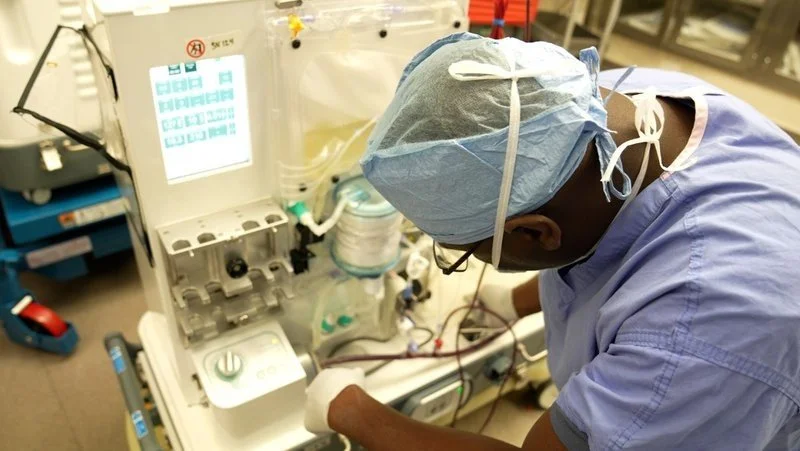
Staffing is the most common weak point in organ transplantation infrastructure. For example, centers that rely on a small internal team for organ recovery and organ perfusion concentrate their risk. When volume rises or key staff are out, that concentration puts immediate pressure on case acceptance and quality. The issue is not a failure to hire. Instead, the coverage structure creates gaps that headcount alone does not fix.
Workflow Gaps
Many centers have written protocols that staff do not follow consistently. Variation creeps in through individual habits, workarounds for specific surgeons or sites, and drift that builds when cases go unreviewed. In organ transplantation, this variation has real costs. For example, it shows up in packaging quality, handoff communication, and perfusate handling. As a result, each of these affects organ health and recipient outcomes.
Device Readiness
Device readiness is a growing concern as machine perfusion use expands. Centers adding NMP or growing their hypothermic machine perfusion (HMP) capacity need trained staff on those devices before cases arrive. Moreover, HRSA and the Organ Procurement and Transplantation Network (OPTN) have weighed in. They have made clear that infrastructure quality will face closer review as the national system continues to modernize. As such, centers with solid operational foundations can meet that standard more easily.
Documentation Discipline
Documentation is the least visible gap, but it’s also often the last to receive attention. Yet, this are is where resilience can either hold or break down. Centers that perform documentation well, review cases often, and use what they learn to sharpen workflows will always grow over time. Meanwhile, centers that treat documentation as a box to check tend to stay flat. The moment a quality issue surfaces, the data needed to trace it back will often remain missing.
When several weak points exist at the same time, risk becomes hard to anticipate. Resilient infrastructure isn’t only about stopping single failures. It’s also about keeping enough visibility to catch drifts early.

Organ Transplantation Program: Start By Fixing the Weak Points
Building a resilient organ transplantation infrastructure starts with an honest look at where the current model is vulnerable. This entails finding where coverage gaps led to case declines, workflow variation produced uneven outcomes, and inconsistent documentation made reviewing hard. Weak points rarely exist alone. Fixing one without the others tends to move the risk rather than reduce it.
The most useful assessments combine an internal review with an outside view. Leaders who have worked inside the same system for years often stop seeing variation that an outside clinical team would flag right away. That outside view does not need to come from a formal audit. It can come from a well-integrated clinical partner who documents to the center's own standards and raises issues as part of normal case work.
The most effective path tackles the highest-risk gaps first. For most centers, that means fixing coverage before tightening workflows, and tightening workflows before adding new devices or organ types. Trying to fix everything at once tends to produce shallow gains without resolving the root problems.
Choose The Gold Standard
The right external partner does not bring a new system. They work inside what already exists, use the center's protocols, document to its standards, and hold the same quality bar on every case. Working this way lets centers build stronger operational infrastructure without waiting until every internal gap is resolved. It also gives leadership a clearer read on where weak points are, through case documentation rather than adverse events.
GSP teams support transplant centers and OPOs across organ recovery, organ perfusion, and advanced preservation. If your group is working toward better outcomes, contact us today. We’ll be happy to discuss both the big picture and the small details.