
Transplant centers across the country have moved hypothermic machine perfusion from experimental protocol to standard practice for kidney preservation. Kidney perfusion using HMP now anchors preservation workflows at programs that have accepted the evidence: active perfusion reduces delayed graft function, supports microcirculation in higher-risk organs, and outperforms static cold storage across a range of donor profiles. Most programs no longer debate whether to adopt HMP. The harder operational question, and the one that separates high-performing programs from struggling ones, is whether the infrastructure exists to run kidney perfusion consistently when case demand does not cooperate.
What Makes Kidney Perfusion Operationally Demanding
Kidney perfusion using HMP is not a set-and-monitor process. The organ communicates through the machine, and the team managing that machine must read what it is saying in real time.
Flow rates and vascular resistance are the primary indicators of how the kidney responds to perfusion conditions. Rising resistance can signal vasoconstriction, edema, or structural issues within the organ. Declining flow without a corresponding pressure change, on the other hand, tells a different story entirely. Neither pattern is meaningful in isolation, and both require a trained clinician who understands what the trajectory means and what the next step should be.
Perfusate management adds yet another layer of complexity. Temperature targeting, pump pressure settings, and solution composition each affect how the organ behaves during the preservation window. Even small deviations from protocol accumulate across a case. As a result, a team managing kidney perfusion without clear standard operating procedures introduces variability that directly affects organ condition at implant. Over time, that variability becomes difficult to track, harder to explain, and nearly impossible to correct without a documented case record to work from.
The Staffing Problem in Kidney Perfusion Coverage
Most transplant centers running kidney perfusion programs face a version of the same challenge. HMP cases arrive unpredictably. In many programs, the personnel qualified to manage them are the same personnel covering other clinical responsibilities throughout the shift. When a kidney is offered at 2 AM, and there is a full surgical day scheduled, the ability to perfuse that kidney is the differentiator between accepting and declining.
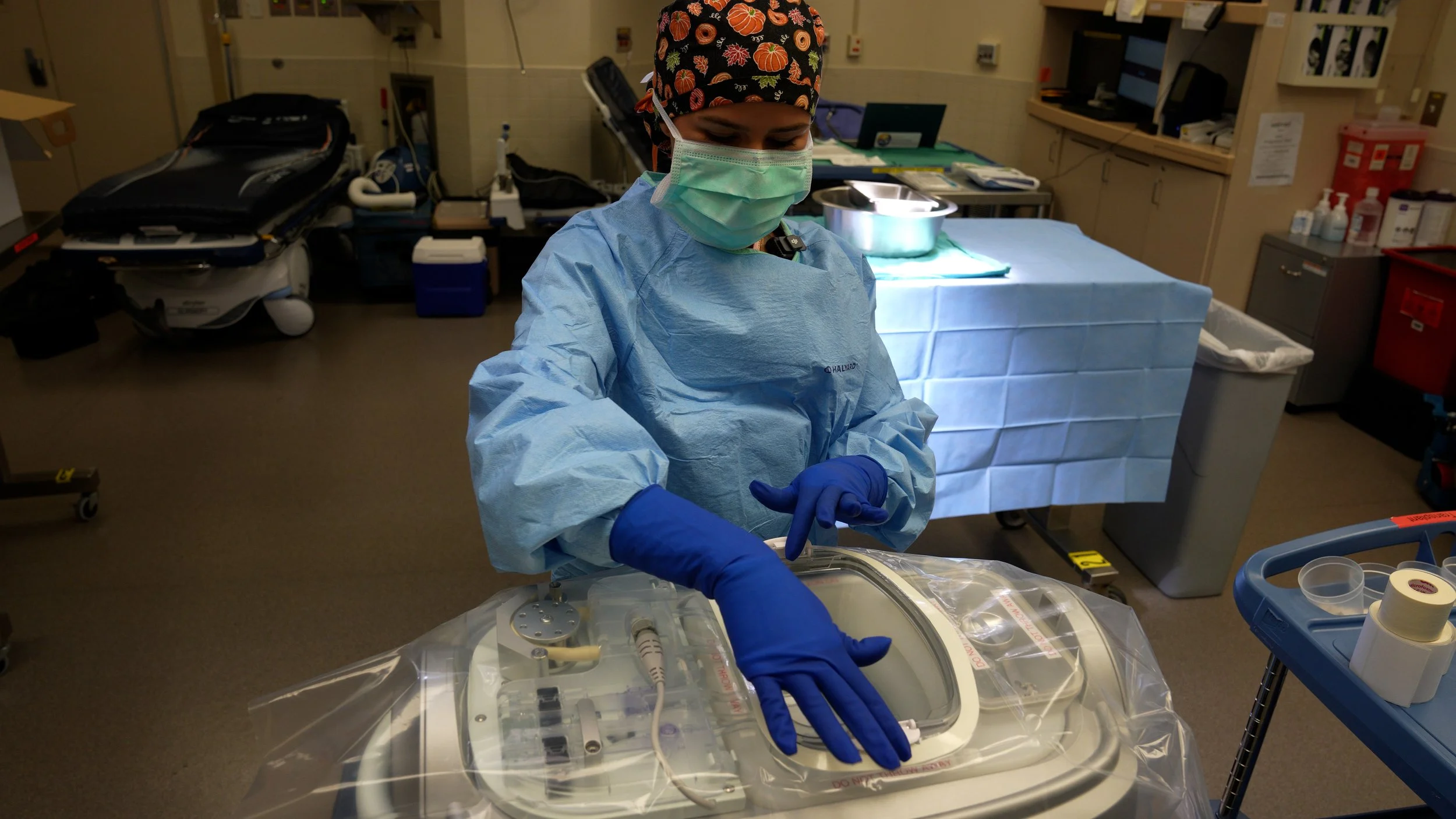
Overnight and weekend coverage for kidney perfusion is expensive to maintain internally. Furthermore, sustaining it at consistent quality levels without burning through the team requires more redundancy than most programs carry. When that redundancy does not exist, coverage gaps appear in predictable patterns. Consecutive overnight cases get managed by fatigued staff. Backup personnel handle kidney perfusion outside their primary training area. Documentation reflects the rushed conditions rather than a disciplined case record.
Programs commonly run into several specific gaps:
Qualified HMP personnel covering consecutive overnight cases without adequate rest
Inconsistent protocol adherence when backup staff manage cases outside their primary training
Documentation gaps that limit post-case review and quality improvement work
Difficulty maintaining competency across all qualified staff as case volume fluctuates
Surge volume scenarios where no internal coverage option is adequate
Each of these gaps carries operational risk. Together, they create a program that performs well under ideal conditions but struggles under the irregular demands that transplant programs actually face. The gap between what a kidney perfusion program can do at its best and what it delivers on a difficult overnight case is where quality risk actually lives.
Standardization as the Foundation of Reliable Performance
Consistent kidney perfusion execution starts with standardized protocols that every team member follows regardless of shift, volume, or case complexity. Standardization is not about removing clinical judgment. Rather, it ensures that judgment operates within a defined framework that produces reproducible results across personnel and time.
Effective protocol design for HMP programs covers:
Specific parameters for flow, resistance, and temperature targeting by donor type
Defined response thresholds for parameter drift and escalation steps when those thresholds are crossed
Perfusate preparation and management standards that reduce variation between cases
Documentation requirements that capture the full perfusion trajectory, not just endpoint readings
Handoff procedures that give the surgical team a complete picture of organ behavior during preservation
When those standards exist, and teams follow them consistently, the program builds a case-level record that supports quality review, protocol refinement, and competency assessment over time. Without them, the program produces outcomes it cannot fully explain or systematically improve.
Where Outsourced Support Adds Structural Value
Programs with established kidney perfusion capabilities often benefit most from outsourced support, not by replacing their internal team but by extending it. A clinical partner that embeds within existing workflows fills coverage gaps without disrupting the standardization the program has already built.
Gold Standard Preservation supports hypothermic kidney perfusion programs by deploying credentialed professionals who align with the partner program's protocols, documentation standards, and communication expectations. Coverage extends to overnight cases, surge volume periods, and scenarios where internal staff capacity does not match case demand.
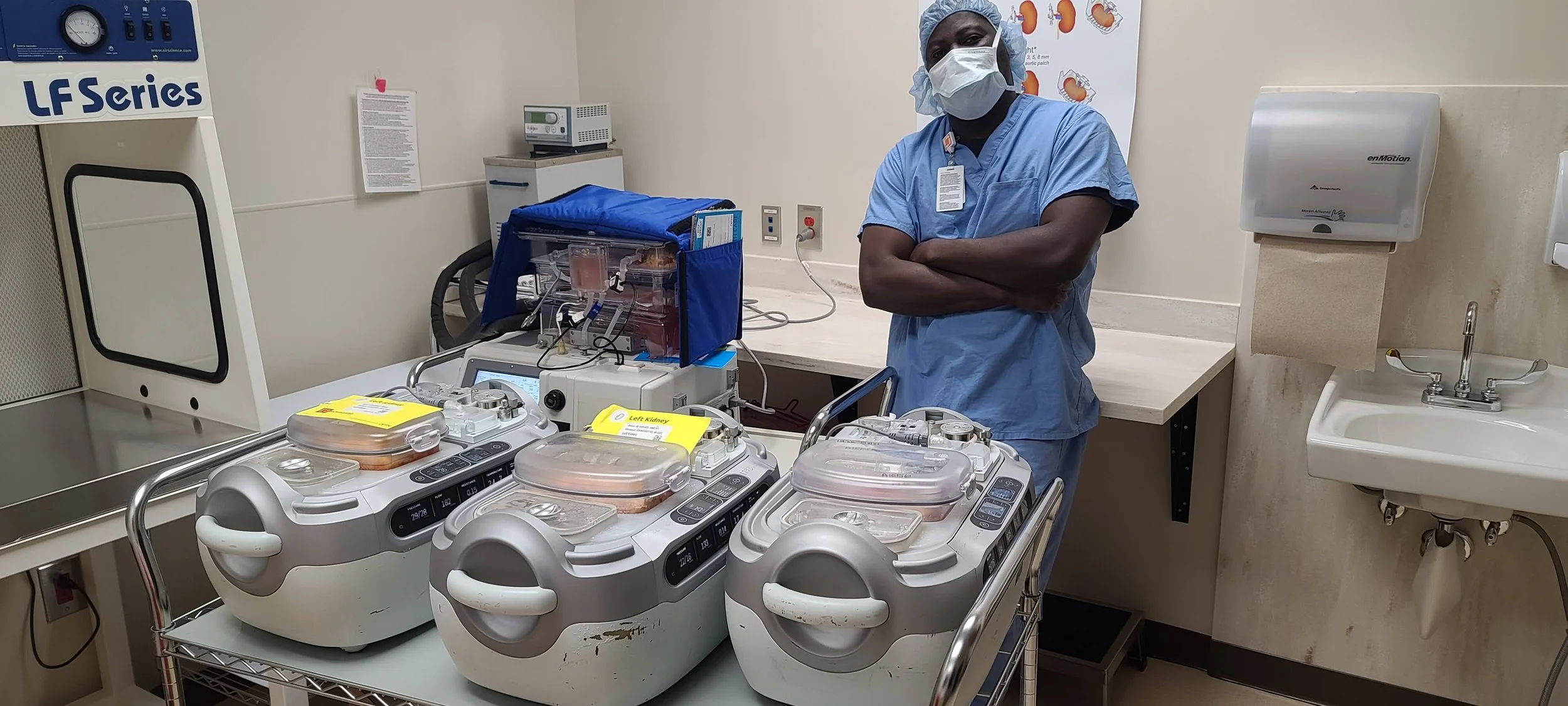
Because the support model is embedded rather than standalone, surgical teams and coordinators interact with consistent execution regardless of whether a case is managed by an internal staff member or a GSP team member. Consequently, the coverage gap does not become visible to the surgical team as a change in process or communication quality. That consistency protects the program's quality baseline precisely when it is most at risk.
What the Evidence Says About HMP and Execution Quality
The clinical rationale for kidney perfusion using HMP is well established. Research indexed through the National Institutes of Health on hypothermic machine perfusion preservation of organs identifies reduced delayed graft function, improved stabilization of expanded criteria donor kidneys, and measurable economic benefits for transplant centers among the documented advantages over static cold storage.
Execution quality determines whether those benefits materialize in practice. A program that adopts kidney perfusion without the operational infrastructure to support consistent, protocol-driven management does not fully capture the clinical advantages the technology offers. Inconsistent personnel coverage, undocumented protocol deviations, and staffing gaps all erode the performance baseline the evidence was built on. Whether that research translates into real-world performance at your program comes down to how the kidney perfusion workflow is staffed, standardized, and sustained across every case, not just the straightforward ones.
Explore how Gold Standard Preservation supports kidney perfusion programs through our machine perfusion services page. To discuss your program's specific coverage or protocol needs, contact our clinical team directly.