
Operationalizing Normothermic Machine Perfusion for High-Risk Liver Recovery
Normothermic machine perfusion (NMP) has moved from a research-stage technology to an active clinical tool at transplant centers managing complex donor pools. The operational demands it places on programs have moved with it. Running NMP on a live recovery requires more than a functioning device. It also requires trained personnel, coordinated workflows, and a clear protocol for every decision point from cannulation through transport.
Why High-Risk Liver Recovery Changes the Stakes
High-risk donors, including those after circulatory death (DCD) cases and extended-criteria donors, introduce variability that wet ice-based storage cannot adequately manage. Cold ischemic time constraints are tighter, while the margin for error during transport is narrower. Moreover, the window for assessing organ viability before committing to implant is often insufficient under static preservation conditions.
Normothermic machine perfusion creates a controlled environment where the liver continues to function at physiologic temperature. Oxygenated perfusate circulates throughout, and the organ's response can be observed in real time. For instance, lactate clearance, bile production, and hemodynamic stability during organ perfusion all provide data that static storage cannot. Furthermore, research from the American Association for the Study of Liver Diseases (AASLD) confirms that NMP carries a decreased risk of early allograft dysfunction, postreperfusion syndrome, and ischemic biliary complications compared to cold storage. These benefits matter most when donor risk is highest.
That clinical value, however, only materializes when the team running the perfusion circuit knows how to interpret what they are seeing. That is why clinical readiness matters as much as device access. Programs that acquired normothermic machine perfusion technology are still working to close the gap between the two.
What Operationalizing Normothermic Machine Perfusion Actually Requires
The operational demands of NMP depend heavily on the site of perfusion initiation. Performing NMP at the donor hospital before the organ is placed on static cold storage creates a different workflow than initiating NMP at the recipient hospital after a period of static cold storage.
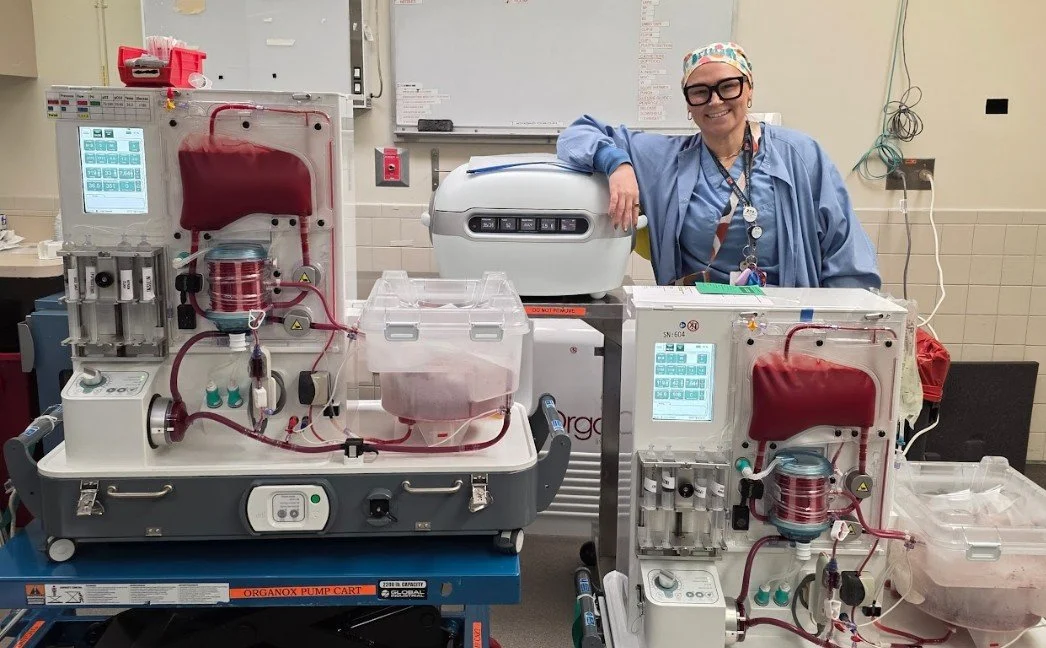
In donor-hospital NMP, the recovery team must be prepared to deploy the device earlier in the case, coordinate setup within the donor hospital environment, and integrate perfusion into the recovery workflow before transport. In recipient-hospital NMP, the organ has already undergone static cold storage, and the operational focus shifts to receiving the organ, transitioning it onto the device, and managing perfusion within the recipient center’s established transplant infrastructure.
Operationalizing NMP, therefore, means building the infrastructure around the intended use case, not simply acquiring the device. That infrastructure includes the personnel, logistics, protocols, and decision-making pathways needed to support where and when NMP will be performed.
Defined Role Assignments
Cannulation management, circuit monitoring during transport, and escalation authority all need documented owners before the case starts. Without clear role assignment, individual clinicians may default to different standards, and that variation becomes a source of risk.
Many centers rely on device operators to manage machine settings, monitor flows, or respond to alarms. Those functions are important, but they are not sufficient on their own. When a cannula shifts, kinks, or compromises flow, the issue is not simply technical. It becomes a surgical and preservation problem that requires personnel who understand the organ, the cannulation strategy, the circuit, and the recovery workflow.
This distinction is especially important when the case requires immediate intervention. If the device fails or perfusion becomes unsafe, the team must be able to rapidly recover the liver, return it to static cold storage, and preserve the organ without losing critical time. That capability depends on having personnel with direct preservation experience, not only device familiarity.
For this reason, experienced preservation personnel function as more than support staff in an NMP program. They become an extension of the surgical team, responsible for maintaining the connection between the organ, the device, and the recovery strategy.
Protocol-Driven Perfusate and Acid-Base Strategy
Perfusate composition and acid-base management during NMP are not static decisions. They respond to what the organ is doing. For that reason, teams need a clear starting protocol and a structured framework for adjusting based on observed trends: pH, base excess, and lactate kinetics rather than isolated data points.
Hemodynamic Interpretation Under Pressure
Flow, resistance, and pressure behavior during normothermic machine perfusion tell a story. Rising resistance, for example, can indicate endothelial stress or perfusate-related issues. The appropriate response depends on context. Instead of relying on fixed target numbers, teams need trained clinical judgment to determine what the data means in real time.
Structured Documentation
Documenting what parameters the team set, what changed, and why, and how the organ responded serves two purposes. First, it supports the implant team at the back table. Second, it feeds the post-case review process that drives future improvement. That is why documentation discipline belongs in the operational framework from the start.
The Gap Between Device Access and Clinical Readiness
Many programs that have invested in NMP technology are still working through the clinical readiness piece. Device acquisition is a procurement decision. Clinical readiness is an operational one, and it takes longer to build.
This gap shows most clearly in high-pressure situations. They include a DCD case that moves faster than expected, a transport delay that extends cold time, or parameters that drift without a clear protocol for response. Programs with the NMP device but without the surrounding infrastructure tend to encounter these moments without a practiced response.
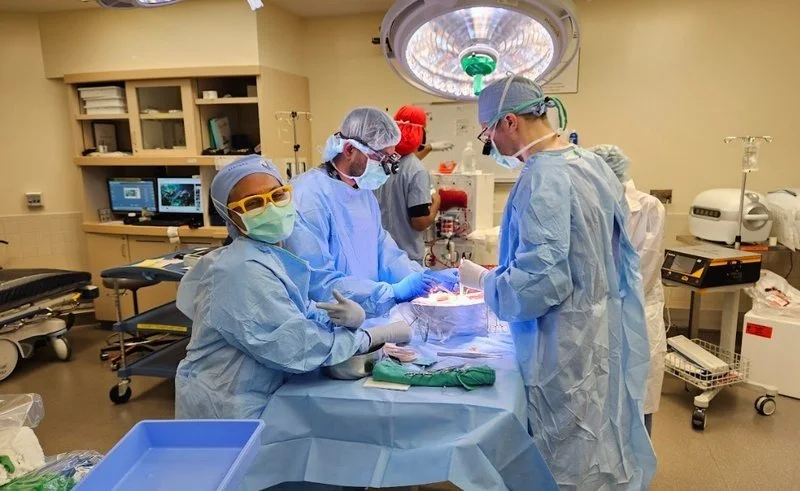
Closing that gap requires structured training and simulation-based preparation for high-risk scenarios. It also requires an honest assessment of where current capabilities fall short. Furthermore, teams need a clear competency framework that defines readiness by role from baseline to independent to advanced. GSP's clinical training programs are built around exactly this: role-specific pathways, skills checklists, and scenario-based evaluations that establish documented thresholds rather than assumed proficiency.
How External Support Fits Into a Normothermic Machine Perfusion Workflow
Not every program can build full internal NMP capability immediately. Volume may not justify the staffing investment, and in-house teams may still be developing proficiency. Or a program may handle lower-risk cases independently but still want experienced organ perfusion support for DCD and extended-criteria donors while internal proficiency develops.
In those situations, a device-agnostic clinical partner trained across multiple NMP platforms can fill specific gaps without displacing internal development. The right partner integrates into existing workflows and documents in a way that supports internal quality assurance. That is why the structure of the engagement matters: defined scope, clear escalation pathways, and a transition plan as in-house competency grows. For more on what that integration looks like, the device-agnostic perfusion machine article covers how platform-independent teams work within existing workflows.
Building an NMP program around high-risk liver recovery is a long-term operational commitment. The technology is one part of it. Similarly, the team, the protocols, and the sustained investment in competency development determine whether that technology delivers on its clinical promise in the field. Programs that treat those elements as an afterthought tend to discover the gap at exactly the wrong moment. A consistent organ recovery partner helps reduce risk across every case by keeping preservation expertise embedded in the perfusion workflow, from cannulation and monitoring to escalation and recovery.
If your program is building or refining its normothermic machine perfusion capability, contact us today. We’ll be happy to discuss how structured clinical support fits your current operational stage.