
Solving the Talent Gap: Why Specialist Organ Perfusion Jobs Are Evolving
Organ perfusion and preservation jobs have always required a specific skill set. What has changed is the depth of that skill set. Centers now expect candidates to demonstrate proficiency faster, across more devices, and under more complex clinical conditions than before. Machine perfusion adoption has expanded steadily. Donor pools have grown more complex. The gap between what transplant centers need and what the specialist workforce can provide has widened considerably as a result.
From Kidney Pump Management to Full Clinical Judgment
A decade ago, most organ perfusion roles centered on kidney pump management, basic recovery support, and chain-of-custody documentation. These responsibilities still exist. However, they now sit alongside a different set of expectations. Centers running normothermic machine perfusion (NMP) for liver cases need specialists who can manage complex hemodynamic circuits. They also need clinicians who interpret lactate kinetics and acid-base trends in real time. Making sound adjustments based on organ response under perfusion requires clinical judgment that most entry-level preservation and organ perfusion jobs historically did not demand.
Device diversity has added further complexity. Centers often run more than one perfusion platform across organ types. They need personnel who move between platforms without a drop in quality or efficiency. A specialist trained on a single device is increasingly limited in what they can contribute as institutional technology evolves. This reshapes what hiring managers of OPO and transplant centers seeking to create a team look for when posting preservation, surgical coordinators, or organ perfusion jobs, and creates a competency gap that a credential alone does not close.
Research on cardiac perfusionists' workforce mobility has identified how the absence of standardized, portable credentials restricts specialists from moving between institutions. This compounds existing shortages by limiting the qualified candidates who can step into a new role with minimal ramp-up.
Why Recruiting and Retaining Perfusion Specialists Is Getting Harder
Supply has not kept pace with demand. As transplant volume grows and machine perfusion becomes standard practice, the number of qualified specialists entering the field has not grown at the same rate. Centers that previously managed with a small internal team now need broader coverage, greater device competency, and more consistent shift availability. They often face this without a clear path to building all three at once.
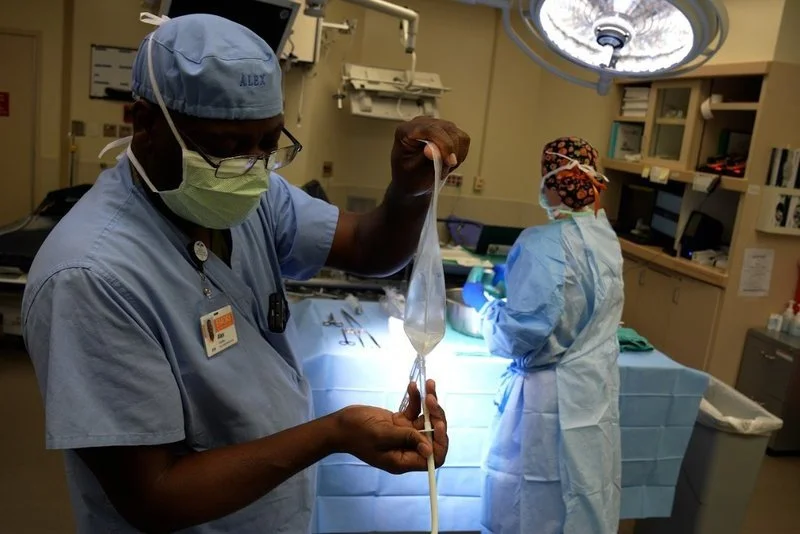
Retention is an equally significant driver. Organ perfusion and preservation jobs carry irregular hours, overnight call, and the sustained cognitive demands of managing active circuits under time pressure. In centers where one or two specialists absorb most of the coverage burden, burnout risk is high. Distributing that burden through external coverage support or structured on-call rotation is one of the most effective retention levers available. Leadership that addresses this proactively tends to see lower turnover than those that wait for a departure to force the issue. When a specialist does leave, the gap does not fill quickly. Case acceptance shrinks in the interim, and the remaining team absorbs additional pressure.
Furthermore, the Certified Transplant Preservationist (CTP) pathway issued by the American Board for Transplant Certification (ABTC) creates friction. The credential requires a minimum period of supervised clinical experience before candidates can sit for the exam. This means institutions cannot quickly convert an interested candidate into a credentialed specialist. The pipeline is longer than most hiring timelines allow for. As a result, transplant centers compete for a narrow pool of experienced lateral hires in a market where those candidates are already scarce.
Vacant Organ Perfusion & Preservation Jobs Cost Centers More Than a Salary Line
When organ perfusion jobs go vacant or candidates lack the readiness the role demands, the consequences are operational and immediate. A center may decline cases it has a clinical relationship to accept because it cannot reliably staff the organ perfusion circuit.
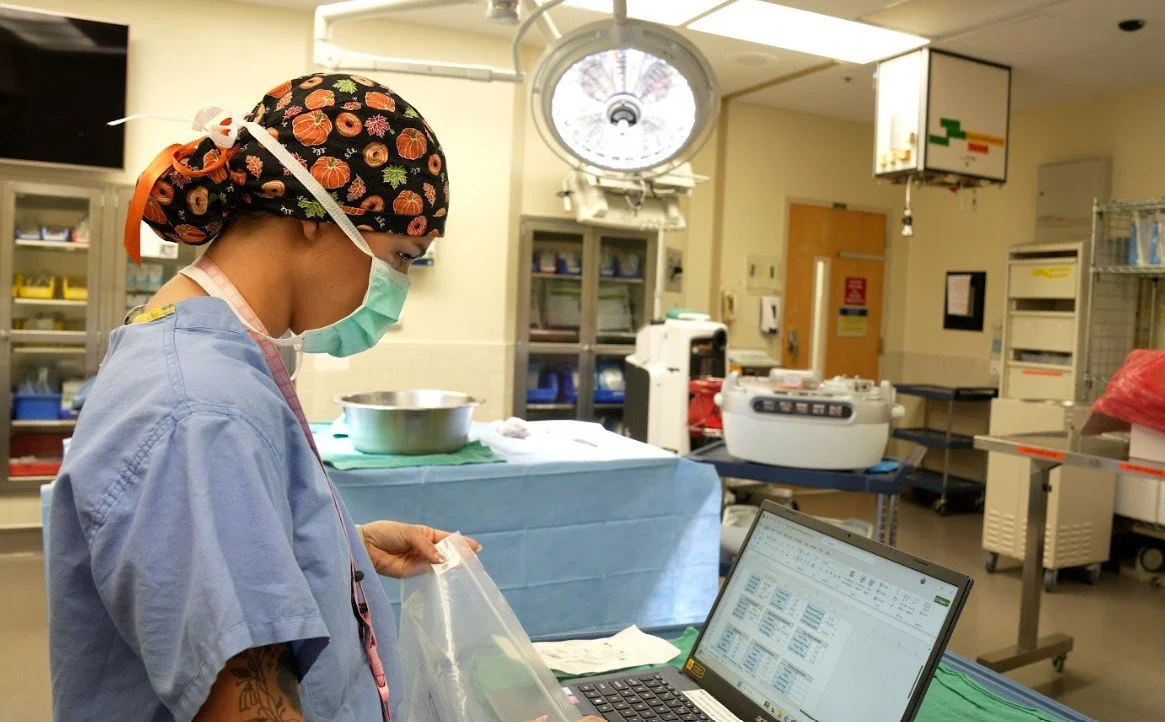
It may also run cases with one specialist stretched across too many responsibilities simultaneously. This increases the risk of setup errors, documentation lapses, and delayed escalation responses. These are predictable outcomes of a staffing model that cannot match what centers are now being asked to do.
Three Competencies That Separate Adequate From Effective
The competency expectations for organ perfusion jobs have expanded into three areas.
Technical proficiency covers the fundamentals: device setup and operation, perfusate preparation, circuit troubleshooting, and documentation. Most credentialed candidates demonstrate these adequately. They form the testable baseline for any organ perfusion role.
Clinical judgment is harder to find and harder to develop quickly. It includes reading hemodynamic trends across a full perfusion run rather than reacting to isolated data points. It also means recognizing when organ behavior signals a problem that requires intervention, and knowing what adjustments to make and when. Specialists who develop this alongside their technical foundation are more valuable to their institutions. They are also in shorter supply than most hiring managers realize until a difficult case makes it obvious.
Device-agnostic fluency is the third essential competency. A specialist who operates confidently across HMP and NMP platforms, for both kidney and liver cases, offers coverage flexibility that single-platform clinicians cannot. As centers add devices and expand into new organ types, this breadth becomes a practical necessity rather than a differentiator. NATCO's organ preservation symposium offers one pathway for clinicians working to build this breadth early in their careers.
Why Hiring Alone Will Not Close a Structural Shortage in Perfusion Jobs
Transplant centers cannot hire their way out of a structural workforce shortage. Compensation improvements help with recruitment but do not address shift availability, device training depth, or the time required to build genuine clinical judgment. A more durable approach pairs targeted internal hiring with a clinical partner who brings trained, credentialed, device-agnostic personnel. The partner integrates into existing protocols and documentation standards rather than running a parallel system. This matters because integration determines whether the partnership improves operational consistency or simply adds another variable for leadership to manage.
Our clinical teams operate across multiple perfusion platforms and hold the same quality bar on every case. Our clinical training programs support teams building internal capacity, with structured pathways from device-level competency to independent clinical case management. Similarly, centers that want to expand organ recovery coverage into new facilities or organ types can do so through the existing partnership. The structure scales without proportional overhead. If your team is navigating the talent gap in organ perfusion jobs, contact us to discuss what consistent coverage looks like in practice.