
Enhancing Reliability in Organ Transport and Recovery Logistics
Transplant teams work hard to recover and preserve organs well. However, if the logistics surrounding that organ break down, the clinical work done upstream loses its value. Delays extend cold ischemic time. Labeling errors create risk at the receiving end. Poor handoff communication leaves surgical teams working without the information they need.
Reliable organ transport is a clinical responsibility, not just a logistics function. Because every step between recovery and implant either protects the organ or puts it at risk, the teams and programs that treat it that way consistently deliver better results.
What Makes Organ Transport Difficult to Execute Reliably
In practice, organ transport involves more moving parts than most clinical workflows. A single case can require air and ground coordination, multiple handoffs, and time-sensitive packaging decisions. On top of that, real-time communication with surgical staff preparing for implant runs throughout the whole process. Each of those elements has to work. When one breaks, the rest absorb the impact.
Cold ischemic time is the most unforgiving constraint. A late flight, a slow ground transfer, or a stalled handoff at the receiving hospital all add to cold ischemic time. Each one pushes the organ closer to the edge of its viable window. Furthermore, delays rarely stay isolated. One problem tends to create another, and the organ absorbs the cumulative effect.

In addition, labeling and packaging are failure points that transplant teams often underestimate. The OPTN has collected voluntary safety reports showing that labeling errors and packaging problems account for a large share of reported transplant safety events. Those errors do not always come from carelessness. They often come from rushed conditions, unclear protocols, or a breakdown in the chain of custody between the recovery site and the transport vehicle.
Together, these factors make organ transport one of the areas where even a well-run program can experience avoidable failures when the logistics chain does not get the same discipline as the clinical work itself.
The Role of Coordination in Organ Transport Reliability
Reliable organ transport depends on coordination that starts before the organ leaves the donor site. Recovery teams, transport coordinators, pilots or drivers, and the recipient surgical team all need to work from the same plan. When that plan is clear, handoffs are clean. As a result, problems are caught early rather than discovered at the receiving hospital.
Meanwhile, timing is the central challenge. The recovery team needs to know when the recipient OR will be ready. The transport team needs to know when the organ will be packaged and available. The recipient surgical team needs accurate updates as conditions change. Breakdowns in any of these communication channels create delays that compound fast.
Standardized communication protocols address this directly. When every member of the logistics chain uses the same check-in process, update format, and escalation path, the system becomes more resilient. Moreover, problems surface earlier, when they are still manageable, rather than arriving as surprises at the receiving end.
Coordination also means planning for what can go wrong. Consequently, flight delays, ground traffic, and OR scheduling conflicts should be treated as normal variables in a complex workflow, not exceptional circumstances. Programs that build contingency steps into their transport plans handle these events far better than those that do not.
Where Clinical Expertise Meets Transport Logistics
Organ transport is not a pure logistics problem. In fact, the people managing the organ during transit carry clinical responsibility for its condition. Packaging decisions affect temperature stability. Handling at each transfer point affects the organ's physical integrity. The information passed from the recovery team to the recipient surgeon at handoff shapes the decisions made at the back table.
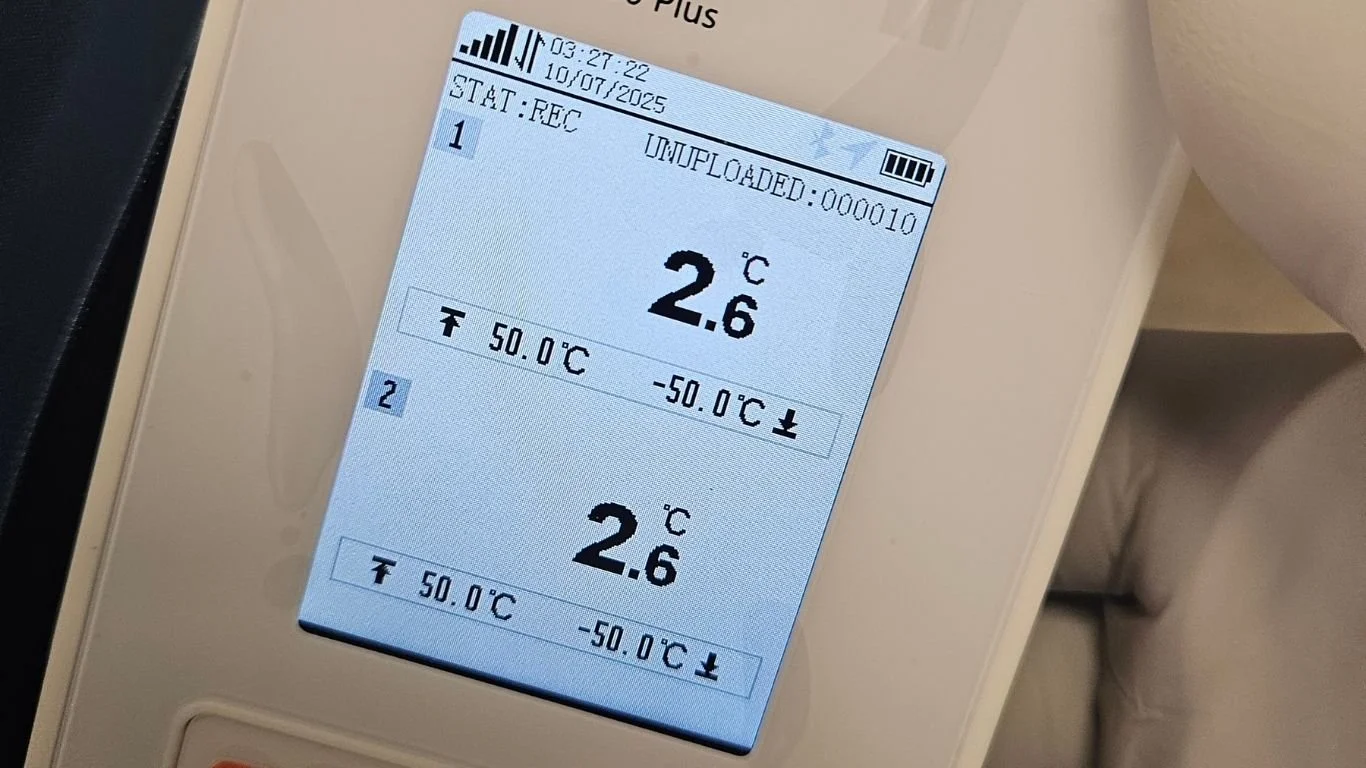
A team that understands both the clinical and logistical sides of organ transport brings something a pure logistics operation cannot. As a result, clinical judgment informs packaging decisions under time pressure. It shapes how the team responds when something unexpected happens mid-transport. It also determines the quality of the information the recipient surgical team receives.
The people managing organ transport need to understand what the organ requires at each stage of the journey. Clear protocols for packaging and chain of custody matter too. So does the judgment to escalate when conditions change in ways the original plan did not cover. Consequently, clinical oversight of the logistics process produces more reliable outcomes than purely administrative management.
How Gold Standard Preservation Supports Transport and Recovery Logistics
Gold Standard Preservation builds transport coordination into its recovery support from the start. Teams do not hand off at the OR door and leave the rest to chance. In practice, GSP aligns packaging, chain-of-custody handling, and recipient-site communication to the partner program's existing standards throughout the case.
Specifically, recovery teams leave the donor site with all packaging done, labeling confirmed, and the recipient surgical team already briefed on organ condition and estimated arrival. Handoffs follow a structured format that gives the receiving team the information they need without gaps.
When delays or unexpected changes occur during transport, teams follow a clear escalation path rather than guessing. The recipient program stays informed. Nothing arrives as a surprise. That level of coordination may seem like a basic expectation, but in practice it is not consistent across programs, and the difference shows up in case outcomes over time.
Standards That Frame the Work
Accordingly, the OPTN sets clear requirements for how organs move from donor site to recipient center. OPTN Policy 16 on organ packaging, labeling, shipping, and storage establishes the minimum standard every OPO and transplant center must meet. Those requirements cover labeling, packaging materials, chain-of-custody tracking, and temperature management during transit.
Meeting those standards is the floor, not the ceiling. However, programs that treat transport logistics as a compliance exercise rather than a quality discipline will meet the minimum and still experience failures that better coordination would have stopped. Gold Standard Preservation's transport support is built to go beyond the standard, not just satisfy it. To learn more about how GSP supports organ recovery and transport logistics, visit our recovery services page or get in touch with our team directly.