
Developing a Sustainable Organ Perfusion Program: A Strategy for Hospitals
Developing a sustainable organ perfusion program is one of the more complex operational challenges facing transplant centers today. The clinical case for machine organ perfusion is compelling and growing, with more programs adopting HMP and NMP as standard practice. The operational case is different. How you staff it, fund it, train for it, and maintain quality at scale requires a deliberate strategy. Many programs are still working through that strategy.
Transplant administrators, clinical operations directors, and OPO leaders must build or expand perfusion programs without creating unsustainable overhead or quality risks. Early planning decisions shape cost structure, staffing stability, and quality outcomes for years. That is why operational strategy deserves the same rigor as clinical rationale. Programs that skip this planning work often find themselves retrofitting structure onto a program that already has cracks in it.
What "Sustainable" Perfusion Program Actually Means
A sustainable organ perfusion program operates reliably across the full range of clinical scenarios your program encounters. It does this without burning out staff, exceeding budget constraints, or producing inconsistent quality. Sustainability rests on four dimensions working together, and each one reinforces the others.
Clinically, sustainability means trained, competent personnel available 24/7 for all relevant case types. Your team needs depth, not just coverage, since a single point of failure undermines the model, a challenge tied directly to the ongoing talent gap in organ perfusion staffing.
Operationally, it means standardized workflows that produce consistent results regardless of who is on shift. Clear protocols remove guesswork during high-pressure cases and shorten the learning curve for new staff.
Financially, sustainability means a cost model that makes sense relative to program volume and clinical value generated. A flexible structure lets you scale support up or down as volume shifts, without carrying idle overhead.
Strategically, it means the flexibility to adapt as technology evolves and case mix changes. Device-agnostic clinical support helps bridge that gap, letting your program adopt new tools without retraining from scratch.
Common Pitfalls in Perfusion Program Development
Programs run into trouble in a few predictable ways, and most of them trace back to gaps in planning rather than clinical execution. Recognizing these patterns early gives program leaders a chance to address them before they compound.
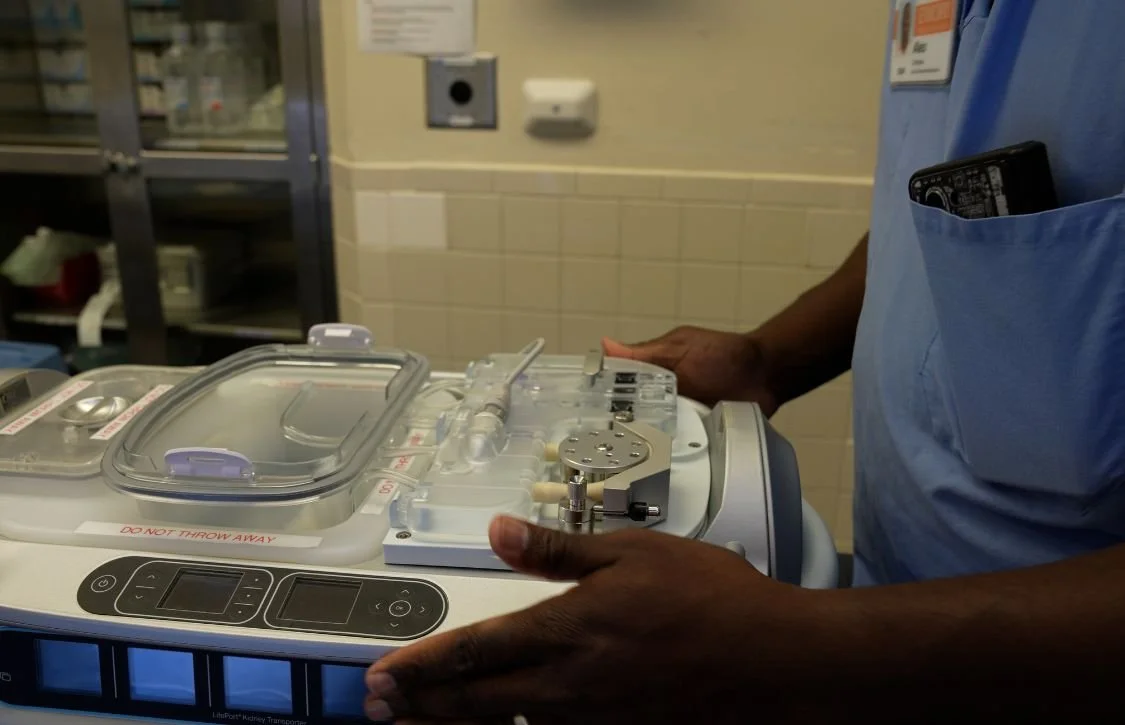
The following pitfalls show up most often across programs of every size and maturity level.
• No clear quality review owner. Many programs launch without assigning someone to review perfusion data on a set cadence. Trends and outliers then go unreviewed until problems repeat enough times to become costly.
• Underestimating after-hours coverage. Programs often budget for average case volume instead of nights, weekends, and surge periods. Coverage gaps translate directly into declined cases or rushed handoffs.
• Assuming workflows transfer across modalities. HMP and NMP differ in equipment, monitoring parameters, and training needs. Treating them as interchangeable creates documentation gaps and inconsistent case handling.
• No plan for staff turnover. Recruiting and training a perfusion specialist takes months, sometimes longer in smaller markets. Programs without a pipeline can lose coverage overnight when one person leaves.
• Skipping vendor performance reviews. Equipment providers and clinical support partners deserve the same scrutiny as internal staff. Programs that skip regular reviews end up locked into arrangements that quietly drag down performance.
Addressing these pitfalls early costs far less than fixing them after they have shaped program culture and case outcomes. The programs that stay ahead treat pitfall prevention as ongoing work rather than a launch-phase checklist, revisiting coverage models, quality ownership, and vendor performance on a set schedule.
Phase 1: Assess Your Starting Point
Before designing a perfusion program, an honest assessment of current capabilities is essential. Many programs move straight to selecting equipment or hiring staff. They skip mapping where they actually stand today. This groundwork determines whether later decisions solve real gaps or add complexity on top of them. This means answering questions such as:
• What perfusion modalities (HMP, NMP) are you currently using, and on what volume?
• Who is providing clinical coverage now, and what are the gaps in that coverage?
• What documentation and quality reporting infrastructure is in place?
• What does your donor case mix look like, and how might it evolve over the next two to three years?
The answers shape everything that follows. A program doing five HMP cases per month has different infrastructure needs than one doing fifty. Needs also shift for programs targeting expansion into NMP for high-risk liver cases. Skipping this step often means retrofitting a coverage model later. That model was never designed for the volume or case complexity a program actually has, and building toward advanced organ preservation capabilities from the start avoids that rework.
Phase 2: Define the Coverage Model
The staffing and coverage model is the most consequential design decision in building a perfusion program. It shapes cost structure, clinical quality, and how well the program can flex as volume changes. Getting this decision wrong is harder to unwind later than almost any other choice in the planning process.
There are three practical options:
• Full In-House Team - Appropriate for high-volume programs with the budget to support dedicated FTE clinical staff. This model provides maximum control and the ability to build deep institutional expertise, but it requires sustained case volume to justify the cost and significant investment in recruitment and retention.
• Outsourced Clinical Partnership - A clinical services partner, ideally device-agnostic and active across multiple perfusion platforms, provides coverage on a per-case or retainer basis. This model often works best for programs growing into expanded perfusion volume. It also suits programs needing consistent after-hours coverage without full FTE headcount. Programs weighing this option can review device-agnostic organ perfusion support options before committing to a model.
• Hybrid Model - Internal clinical staff are supplemented by an external partner for surge coverage, after-hours support, or specialized device expertise. This is a common model for programs in transition between low and high volume.
Phase 3: Standardize Workflows and Documentation
A perfusion program without standardized workflows is dependent on individual expertise rather than institutional quality. When workflows are documented, trained, and consistently applied, the program's clinical performance is no longer tied to which person is on shift. This is the foundation of a sustainable operation.
Several elements are worth standardizing early. Device setup and priming protocols should be documented for each platform in use. Case documentation templates need to capture all clinically and operationally relevant data, and handoff protocols between the perfusion team, procurement team, and receiving transplant team should be clearly defined, particularly during organ recovery and transport handoffs. Quality review processes should occur after each case and aggregate trends over time.
Phase 4: Build Competency Systematically
Training for a perfusion program should be structured, documented, and verifiable. Ad hoc training produces inconsistent competency, which is a quality and liability risk. A strong training model includes initial device-specific education, supervised case experience with defined competency milestones, and ongoing continuing education as technology and clinical evidence evolve.
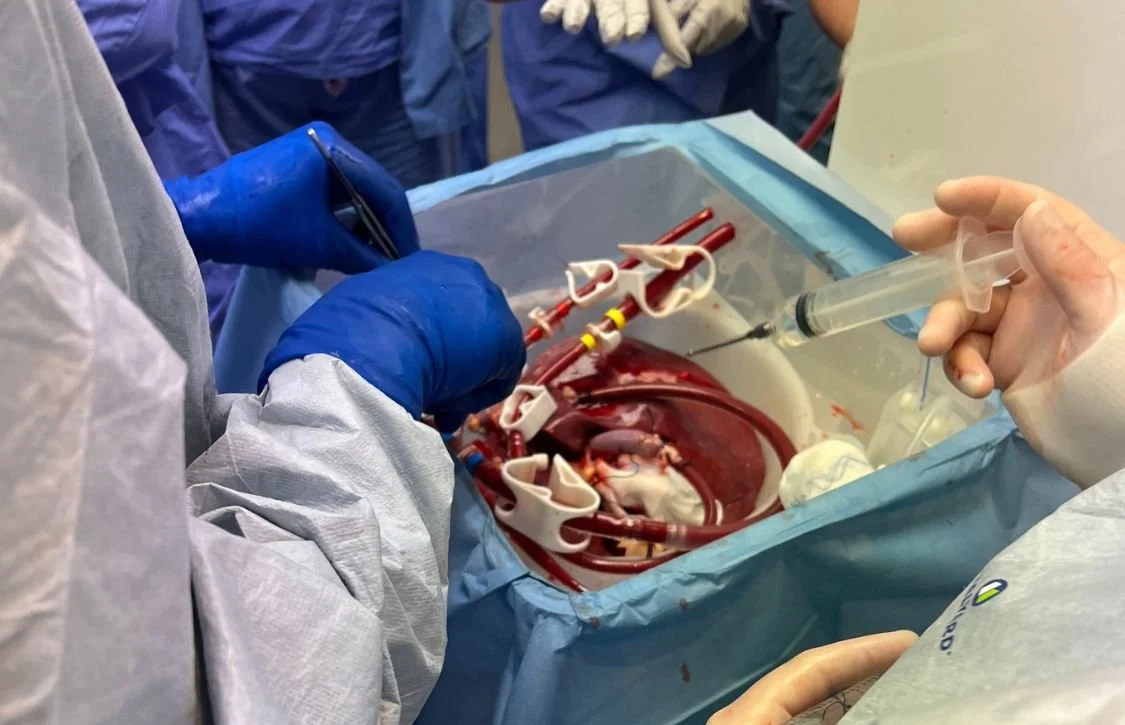
Programs working with external clinical partners should ensure their partners provide structured training as part of the service model, not as an optional add-on. Competency verification should be treated as an ongoing process, not a one-time event, and it should apply equally to in-house staff and external partners operating in your program.
Phase 5: Evaluate and Adapt
A sustainable organ perfusion program is not static. New technology enters clinical use, and staffing situations evolve. Programs should build regular evaluation checkpoints into their operations, at least annually and ideally quarterly for growing programs.
These checkpoints should look at specific, trackable metrics. Case turnaround times, documentation completeness rates, and staff certification renewal dates all signal whether your program is holding steady or drifting. Compare actual coverage hours against real call volume to catch staffing gaps before they affect quality.
Evaluation also needs a clear owner. Assign this responsibility to a specific role rather than leaving it to whoever has time. For programs using a hybrid or outsourced coverage model, this review should include a formal check of partner performance against the standards you agreed to upfront, ideally with a device-agnostic clinical team that can speak to both sides of the workflow.
Consistent evaluation keeps infrastructure aligned with operational needs. Programs that treat evaluation as a discipline, rather than an afterthought, sustain long-term quality. That discipline is what separates programs that scale smoothly from those that outgrow their own systems.
Bringing It All Together: Making Sustainability an Ongoing Practice
Building a perfusion program is not a single decision but a sequence of them, from assessing your starting point to defining coverage, standardizing workflows, building competency, and revisiting all of it on a set schedule. Skipping any one phase tends to surface as a problem later, often at a less convenient time than planned. Programs that treat this as an ongoing cycle, rather than a project with an end date, are the ones that hold up as volume grows.
If your program is developing or expanding its organ perfusion and preservation capabilities, Gold Standard Preservation can serve as a clinical partner for coverage, training, and workflow development. Contact Gold Standard Preservation to get started.