
Scalable Strategies for Ambitious Transplant Program Expansion
Transplant program expansion is one of the highest-stakes operational moves a hospital or center can make. Growth exposes every weak point in your workflow, from coverage gaps and inconsistent documentation to overreliance on a handful of senior specialists. Programs that scale successfully build the operational structure before the volume arrives, not after.
You already know that adding cases faster than you add capacity creates the burnout, missed handoffs, and workflow drift that quietly cap growth. Scalable strategies focus on capability, not just headcount, and give you room to grow without proportionally growing your fixed internal full-time equivalent (FTE) base. The strategies below give you a framework for expansion that holds up under real volume.
What Are the Most Effective Strategies for Transplant Program Expansion?
The most effective strategies for transplant program expansion combine standardized workflows, device-agnostic clinical support, credentialed on-case partnerships, and infrastructure investments that scale independently of internal headcount. You add case capacity through capability, not just staffing, and protect quality across every recovery your program supports. The result is growth that compounds rather than growth that breaks the workflow.
Why Traditional Approaches to Transplant Program Expansion Hit a Ceiling
Traditional transplant program expansion leans hard on adding surgeons, coordinators, and internal specialists to match new case volume. However, the linear staffing math only works until competency gaps, coverage strain, or documentation drift catch up with the growth curve. In practice, programs that plan expansion around headcount alone often stall well before their target volume.
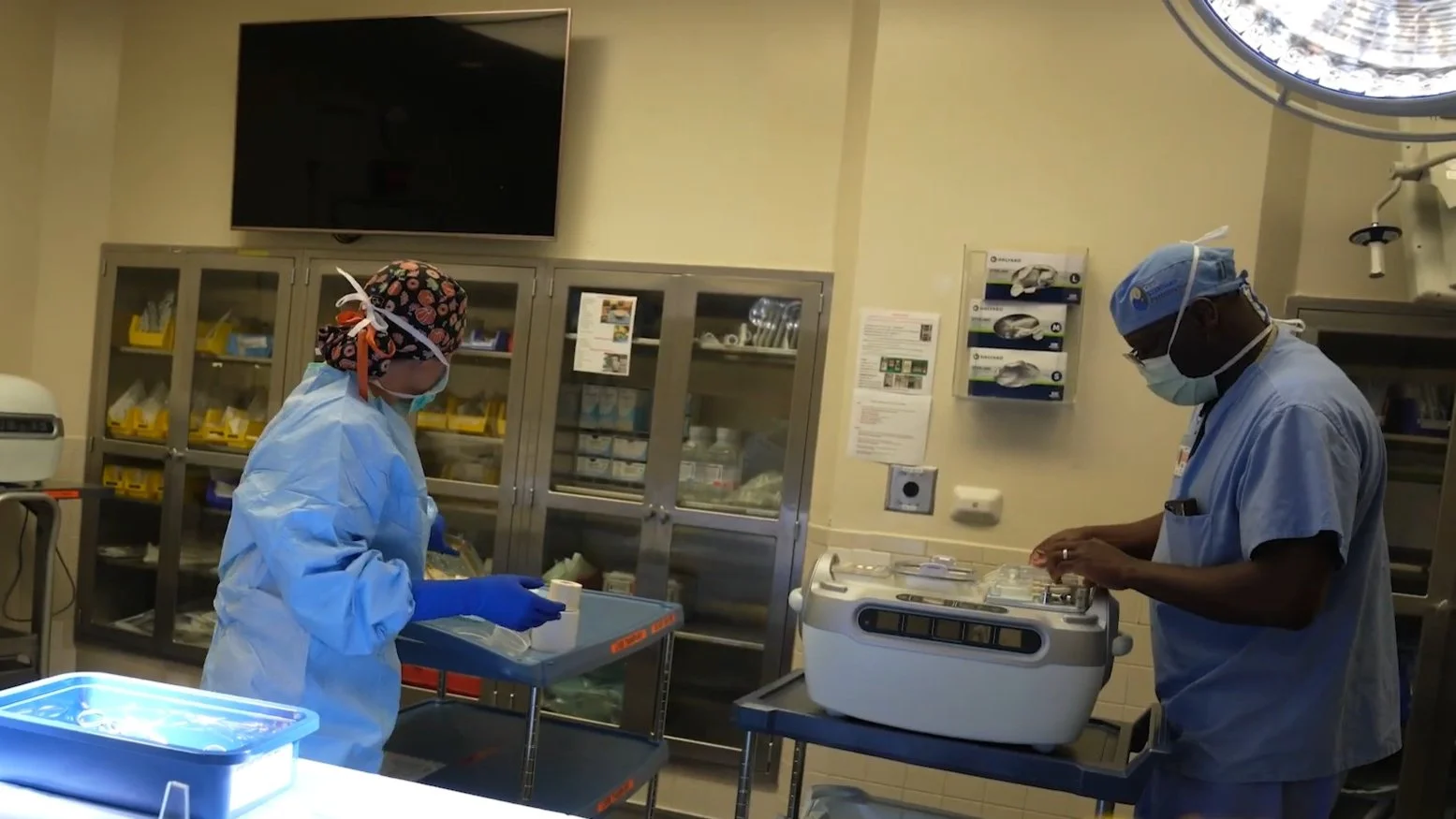
The ceiling shows up in specific places: night and weekend coverage, machine organ perfusion setup on complex cases, and the OR readiness needed for consistent handoffs. Meanwhile, senior specialists absorb the overflow and burn out at rates that undermine the expansion itself. Programs that grow this way trade near-term volume for long-term staff turnover.
The alternative is capability-first expansion. A comparative review in the European Journal of Transplantation reported normothermic regional perfusion (NRP) utilization rates spanning 12 to 85 percent across international programs.
As a result, program-level capability, not just headcount, largely determines how much case volume a team can actually convert. With this in mind, capability-first thinking becomes the foundation of expansion strategies focused on scaling without fixed headcount growth.
Capability-First Scaling Levers That Outperform Adding Headcount Alone
Capability-first scaling starts with the recognition that some levers move case capacity faster than staffing ever will. Standardized workflows across every recovery let existing specialists execute more cases with less friction. Additionally, device-agnostic organ perfusion support lets your program adopt new preservation technology without waiting to build internal expertise from scratch.
Similarly, credentialed clinical partnerships add on-case capacity that flexes with your actual volume rather than sitting as fixed overhead. Programs can scale into new service areas or higher-acuity cases without the multi-year ramp of hiring and training internal FTEs. Such flexibility becomes a real financial lever, which is why more programs are evaluating outsourced perfusion services ROI as part of their expansion planning.
Documentation and data infrastructure form another capability lever most programs underinvest in. Shared records, real-time viability streaming, and audit-ready timestamps compound in value as case volume grows. Programs that scale documentation alongside case volume avoid the compliance and quality drift that catches faster-growing peers off guard.
Finally, workflow standardization across sites lets multi-site programs expand without recreating the workflow from scratch at every new location. Standardized protocols also make it easier to onboard new specialists and new preservation platforms consistently. The compounding effect across a growth cycle is significant.
Operational Infrastructure That Sustains Long-Term Transplant Program Expansion
Operational infrastructure is the foundation transplant program expansion actually rides on. Without it, capability levers plateau and the workflow starts to strain under real volume. In practice, the infrastructure below is what separates expansion that holds from expansion that quietly breaks.
Transport, dispatch, and 24/7 coverage need to scale in step with case volume growth. Meanwhile, receiving OR readiness, documentation systems, and cross-team communication tooling need investment before the volume arrives.
Programs that invest in resilient transplantation infrastructure protect their growth trajectory against the coverage gaps, tooling failures, and workflow drift that undermine faster-moving peers. Infrastructure investment is not glamorous, but it holds the expansion together during the weeks the volume actually spikes.
Ultimately, infrastructure and capability compound together over an expansion cycle. Programs that treat both as strategic investments grow into their target volume without breaking the workflow that made the growth possible in the first place.
How Clinical Partnership Scales Case Capacity Without Adding Fixed FTEs
Clinical partnership is one of the fastest capability levers a growing program can pull. Notably, Gold Standard Preservation (GSP) partners with transplant centers and organ procurement organizations (OPOs) to deliver 24/7 operational readiness, standardized workflows, and proven high-volume execution across recovery and organ perfusion.
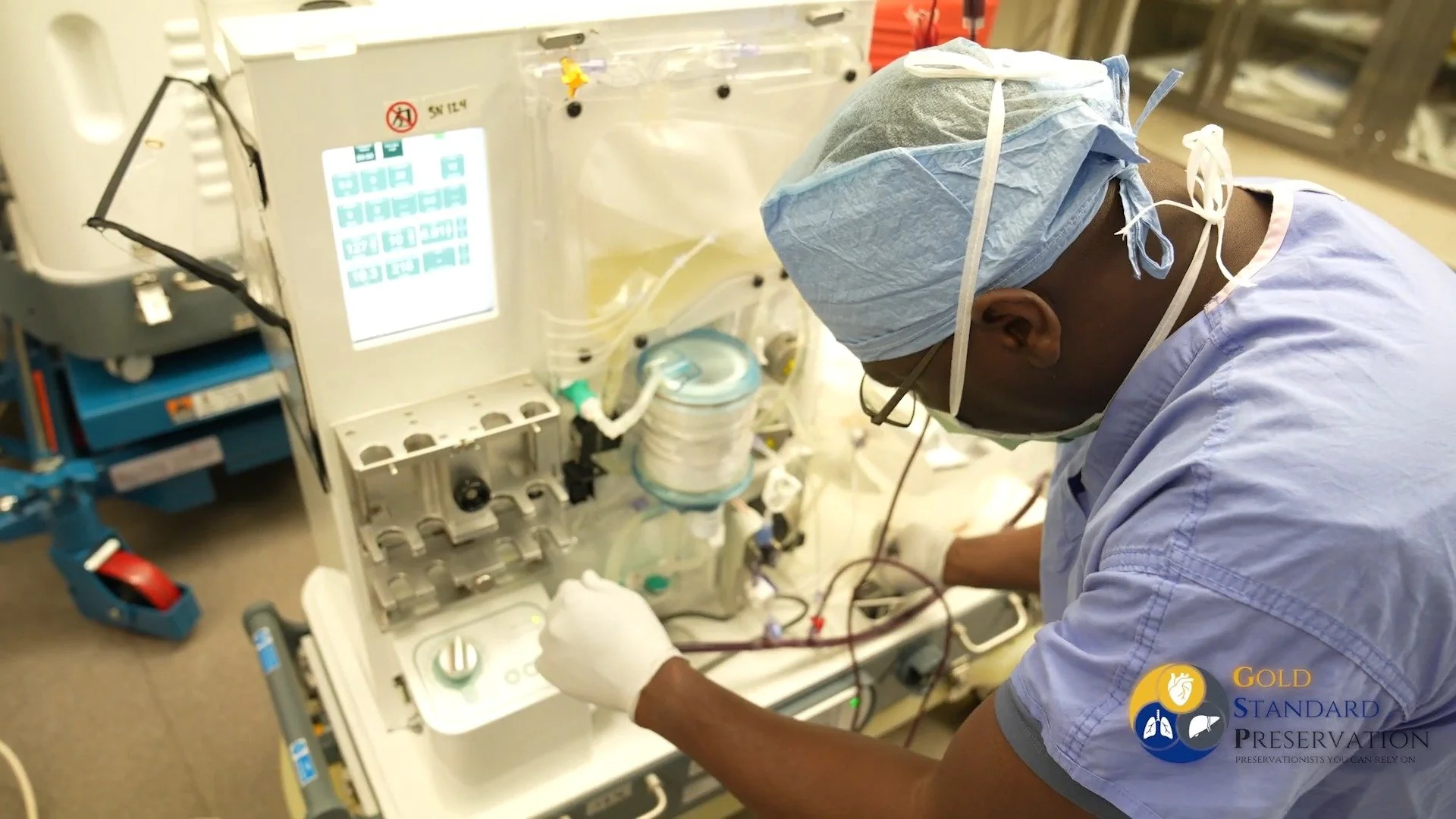
The direct expansion benefit is added case capacity without fixed FTE overhead. Programs can scale into new service areas, higher-acuity cases, or additional preservation platforms without proportionally growing internal headcount. As a result, expansion economics shift from linear staffing math to a variable capability model that flexes with actual case volume.
GSP also operates a dedicated workflow development and consulting service line for programs building expansion strategy. Standardized workflows across sites also help multi-site programs grow without rebuilding operational structure from scratch at every new location. Such consistency matters most during the growth phases when your specialists have the least bandwidth for improvisation.
Device-agnostic clinical flexibility lets your program adopt new preservation technology as it enters the market, often the difference between expanding into high-risk transplant recovery capacity and staying at your current case mix. Your team keeps device choice, and the clinical execution stays consistent across every case. The result is an expansion path that scales case capacity ahead of, rather than behind, your fixed cost base.
Ready to Build an Expansion Strategy That Actually Holds?
Transplant program expansion succeeds when capability, infrastructure, and clinical partnership scale in step with case volume. Programs that plan around headcount alone stall well before their targets, while programs that invest in workflow, documentation, and device-agnostic support keep growing without breaking. The compounding return across a full growth cycle is measurable in both case volume and specialist retention.
Gold Standard Preservation partners with transplant centers and OPOs nationwide to deliver device-agnostic clinical support, standardized workflows, and 24/7 operational readiness across recovery and organ perfusion. Speak with our team about the capability infrastructure your next growth cycle deserves.