
Enthusiasm for perfusion programs typically builds fast inside a hospital, then fades once proving ongoing value gets hard. Leadership wants evidence the investment improves outcomes, not just anecdotes from the surgical team. Programs need a defined set of metrics that hold up under scrutiny from administration.
Perfusion programs that track the right numbers can defend their budget and guide their own improvement. Programs that track only surface metrics, like case volume alone, miss the data that actually signals success. The sections below break down which metrics matter and how to track them without adding excess overhead.
Why Perfusion Programs Need More Than Case Counts
Perfusion programs that measure success by case volume alone miss most of the clinical picture. Volume tells administrators the program stayed busy, but it says nothing about outcomes or efficiency. A program running high volume with rising complication rates is not actually succeeding.
Perfusion program success comes down to outcomes, efficiency, and steadiness working together over time. Delayed graft function rates, organ utilization rates, and turnaround times each tell part of that story. Together, these three categories give administrators a defensible picture of program value.
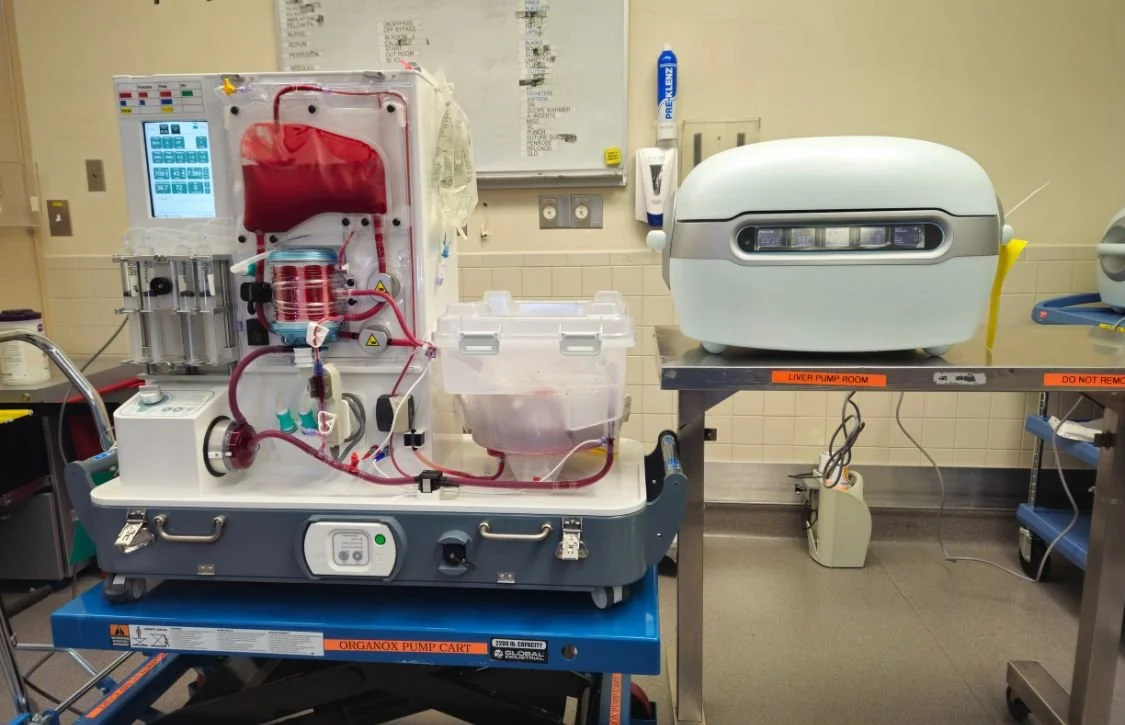
Outcome metrics carry the most clinical weight. Delayed graft function rates and graft survival at defined intervals show whether perfusion is actually improving transplant results. Programs should track these against their own historical baseline rather than generic national averages alone.
Complication rates during perfusion itself belong in this same outcome category, a theme explored further in maintaining competency across multiple perfusion equipment platforms. Equipment malfunctions, perfusate issues, or unexpected organ changes during the perfusion window all warrant tracking as part of the outcome picture. A program that never reviews these events loses valuable insight into where its process needs improvement.
Building a Metrics Framework for Perfusion Programs That Hold Up
Perfusion programs need a small, steady set of metrics rather than a sprawling dashboard nobody reviews. Choosing three to five core metrics and tracking them reliably beats collecting dozens of numbers inconsistently. Programs should also assign clear ownership for reviewing these numbers on a set schedule.
What Should a Perfusion Program's Metrics Framework Include
A strong metrics framework for perfusion programs includes outcome data, efficiency numbers, discard-avoidance tracking, and staff competency records. Combining these categories gives administrators and clinical leaders a complete picture rather than a partial one. Programs that track only one category often make decisions on incomplete information and miss warning signs.
Organ discard avoidance deserves a spot on that shortlist. Programs that document how perfusion allowed acceptance of an organ otherwise likely to be declined build a strong value case for administration. A single metric like that often resonates more with leadership than any efficiency number alone.
Staff competency and certification currency round out the framework. A program can hit every clinical metric and still carry hidden risk if training records lag behind actual practice. Tracking certification renewal dates alongside outcome data keeps the whole picture honest.
Cost per case belongs on this shortlist too, even though administrators sometimes treat it as a separate conversation from clinical quality. Pairing cost data with outcome data, the approach detailed in evaluating the ROI of outsourced perfusion services, lets perfusion programs show real value rather than just activity. Pairing the two turns a budget defense into a genuine performance story.
Turning Metrics Into Program Making Success Metrics Part of Standard Practice
Perfusion programs tracking outcome, efficiency, and competency metrics together build a defensible case for continued investment. Programs that treat metrics as a launch requirement, then abandon the practice, lose leverage within a year or two. Regular review keeps program value visible to administration and clinical staff alike.
Programs just launching a perfusion service should build the metrics framework before the first case, not after the first budget review. Retrofitting tracking onto an established program takes far longer and produces gaps in the historical record. Starting with a framework already in place gives new programs a running head start.
A steady review cadence turns metrics into a management tool rather than a compliance exercise. Programs that revisit the same numbers each quarter build institutional memory that outlasts individual staff turnover. Momentum compounds when leadership sees the data connected to real operational decisions across cycles.
Build a Metrics Framework That Proves Your Perfusion Program's Value
Gold Standard Preservation works with hospital programs to build metrics frameworks tied to real operational goals. Our team brings a device-agnostic perspective and hands-on experience across outcome, efficiency, and competency tracking. Programs gain a partner focused on the numbers administration actually weighs during budget review.
Perfusion programs gain the most value when metrics feed directly into quarterly review rather than sitting in a report nobody revisits. A defined review cadence, quarterly at minimum, keeps the data connected to real operational decisions and supports the kind of growth described in scaling transplant services without fixed headcount. Programs that skip this step collect numbers without ever acting on them.

Efficiency metrics matter for the budget conversation specifically. Turnaround time from procurement to perfusion start signals whether a program runs lean. Staffing utilization case to case reveals hidden overhead too.
Comparing actual outcomes against program goals, set at launch, highlights drift before it becomes a real problem. Coverage models, training schedules, and equipment access should all get reviewed alongside the outcome data itself. Reviewing it in this way connects the perfusion program's daily work to its stated goals directly.
External partners can add useful perspective during this review. A device-agnostic clinical team that works across multiple platforms often spots patterns an internal team misses from proximity. Bringing in that outside view once or twice a year strengthens the review process overall.
Making Success Metrics Part of Standard Practice
Perfusion programs tracking outcome, efficiency, and competency metrics together build a defensible case for continued investment. Programs that treat metrics as a launch requirement, then abandon the practice, lose leverage within a year or two. Regular review keeps program value visible to administration and clinical staff alike.
Programs just launching a perfusion service should build the metrics framework before the first case, not after the first budget review. Retrofitting tracking onto an established program takes far longer and produces gaps in the historical record. Starting with a framework already in place gives new programs a running head start.
A steady review cadence turns metrics into a management tool rather than a compliance exercise. Programs that revisit the same numbers each quarter build institutional memory that outlasts individual staff turnover. Momentum compounds when leadership sees the data connected to real operational decisions across cycles.
Build a Metrics Framework That Proves Your Perfusion Program's Value
Gold Standard Preservation works with hospital programs to build metrics frameworks tied to real operational goals. Our team brings a device-agnostic perspective and hands-on experience across outcome, efficiency, and competency tracking. Programs gain a partner focused on the numbers administration actually weighs during budget review.
Gold Standard Preservation works with hospital programs to build metrics frameworks tied to real operational goals. Contact Gold Standard Preservation to build a success metrics framework for your perfusion program.