
Kidney Normothermic Machine Perfusion and the Push to Reduce Organ Discard
Kidney discard rates in the United States remain a persistent problem despite ongoing organ shortages nationwide. Roughly one in four recovered deceased-donor kidneys ends up discarded rather than transplanted, according to research published in Kidney International Reports. Programs increasingly turn to kidney normothermic machine perfusion as one tool to reassess marginal organs before declining them.
Transplant programs increasingly ask whether normothermic machine perfusion can help them accept kidneys they might otherwise discard. The technology offers real-time functional data that static cold storage simply cannot provide. The sections below cover what normothermic machine perfusion actually shows programs and where the evidence still leaves questions open.
The Role of Normothermic Machine Perfusion in Tackling Kidney Discard
Kidney discard rates climbed from 13.8% in 2012 to 19.4% in 2023 across the United States, according to the Nature Communications perspective by Rabelink and colleagues. The increase held even after a revised allocation system aimed to improve access across regions. Programs and researchers alike search for tools that let them evaluate marginal kidneys more confidently.
Kidney normothermic machine perfusion addresses discard by giving transplant teams functional data before the transplant decision is made. The technique circulates warmed, oxygenated perfusate through the kidney to approximate near-physiological conditions outside the body. Real-time information like this helps teams evaluate an organ they might otherwise decline based on donor history alone.
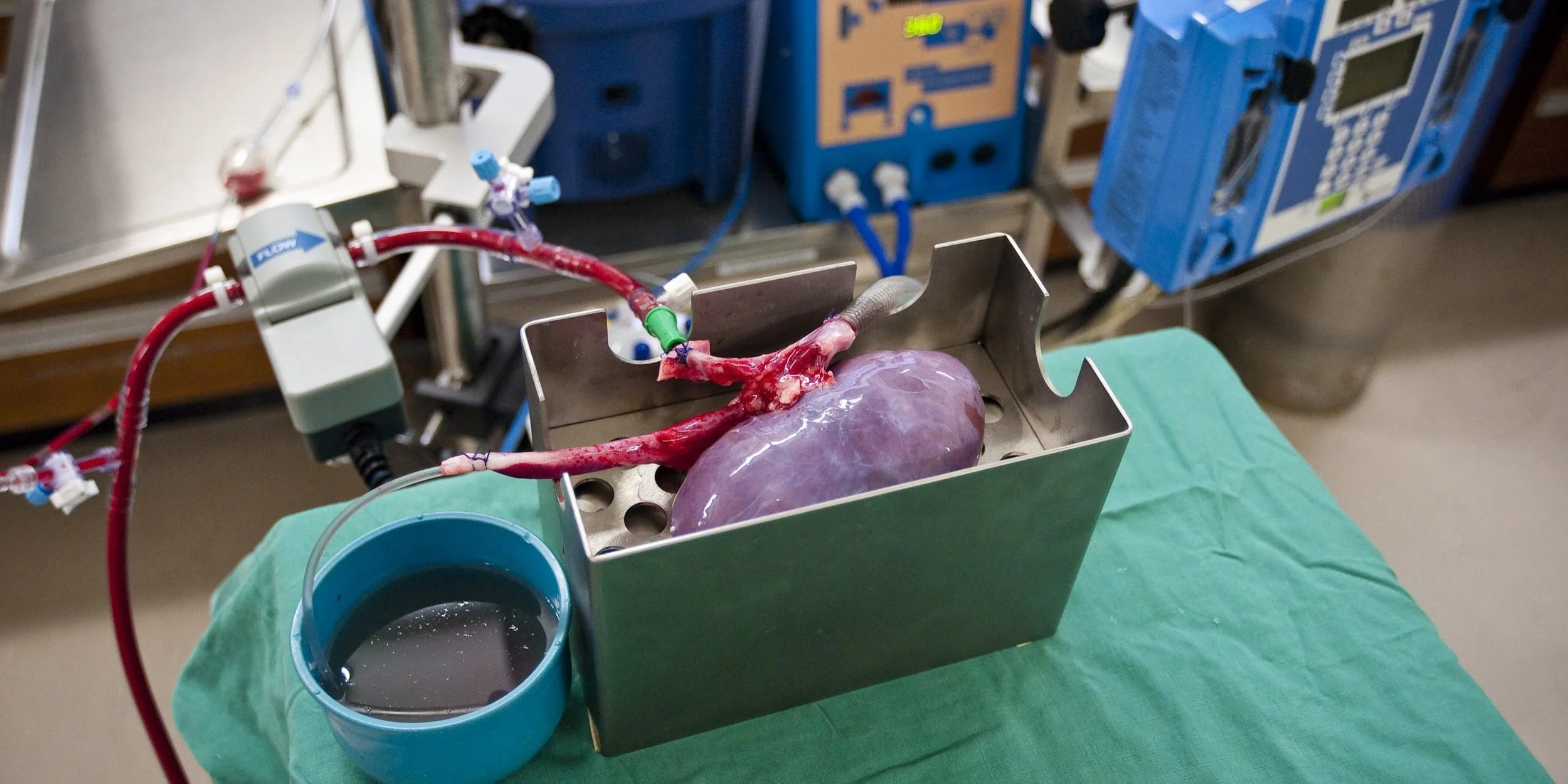
The appeal centers on visibility into organ function that static cold storage cannot offer. A kidney sitting in cold storage gives teams only donor history and basic visual assessment to work from. Normothermic perfusion adds functional markers that can inform a more confident accept-or-decline decision.
Extended-criteria and DCD kidneys make up a large share of the organs flagged for possible discard nationwide. Marginal organs like these are exactly the cases where a functional assessment tool offers the most practical value to a transplant team. Programs targeting discard reduction often start their normothermic assessment protocol with this specific donor population.
The clinical evidence, however, remains mixed on specific outcomes. A randomized controlled trial published in Nature Medicine found that a brief period of normothermic perfusion did not reduce delayed graft function rates compared to static cold storage alone. The result suggests normothermic perfusion's clinical value may lie more in assessment than in preservation outcomes alone.
What the Research Actually Supports Right Now
Normothermic machine perfusion research supports its use as a viability assessment tool more clearly than as a preservation method. Multiple studies have explored using the technique to evaluate kidneys already flagged for discard, rather than as routine preservation for every case. The distinction matters for how programs should think about adopting the technology.
Programs should separate two distinct use cases when evaluating this technology. Using normothermic perfusion to assess a specific marginal organ differs meaningfully from using it as standard preservation across all kidney cases. Conflating the two can lead to overstated expectations about outcome improvement.
Cost and staffing considerations shape adoption decisions as much as clinical evidence does. Normothermic perfusion equipment and trained personnel add real expense that only makes sense for programs handling enough marginal cases to justify it. Programs with lower volume of these cases often find a partnership model more practical than building the capability internally.
Hypothermic machine perfusion, by contrast, has stronger and steadier trial evidence supporting reduced delayed graft function in higher-risk kidneys, a distinction explored in operational considerations for hypothermic kidney perfusion machine programs.
Programs building a broader perfusion strategy often use hypothermic perfusion as the default and reserve normothermic assessment for genuinely marginal cases. The combined approach reflects where the current evidence actually points.
Building an Evidence-Based Approach to Discard Reduction
Programs interested in reducing kidney discard should build a structured assessment protocol rather than adopting new technology reactively. Clear criteria for which kidneys qualify for normothermic assessment keep the process uniform across cases and reviewers. Reviewing related guidance on advanced organ preservation capabilities can help programs think through where this technology fits.
A structured discard-reduction protocol generally rests on four building blocks. Defined assessment criteria come first, similar to the approach described in operationalizing normothermic machine perfusion for high-risk liver recovery. A clear assessment threshold follows, so programs can define above which every kidney automatically receives a normothermic assessment before a final decision.
Specialized staff training runs alongside both, since interpreting functional perfusion data requires expertise beyond general perfusion competency, often supported by a device-agnostic clinical team. Internal outcome tracking closes the loop, so programs can track their own discard-avoidance outcomes over time rather than relying solely on published trial data, a shift that reflects how modern organ preservation is expanding both clinical and operational flexibility.
Anchoring the criteria to an established scoring system keeps the protocol defensible and easy to explain to referring OPOs. Local data, alongside the published evidence, gives programs the clearest picture of real impact. Together, these four elements turn a promising technology into a repeatable process.
What Happens When Programs Skip the Protocol Sequence
Programs that skip straight to buying equipment without the four building blocks in place often struggle to show clear results. A protocol built in the right order gives leadership an evidence trail from day one. The trail matters when budget review time comes around, and outcomes need defending.
Training should happen before the first case uses the new protocol, not after early mistakes surface in the OR. A brief ramp-up period, even a few weeks, gives staff the confidence to interpret perfusion data correctly under pressure. Programs skipping the step risk uneven decisions across similar cases and lose momentum quickly.
Outcome tracking also needs to exist before the first assessment case, not built retroactively months later. Programs launching without baseline metrics have no way to prove the new protocol actually reduced discard rates. Retrofitting data collection onto cases already completed produces gaps that undermine any later analysis.
Staff buy-in falters fastest when leadership introduces new technology without explaining how it fits the broader program goals. Specialists asked to adopt a new workflow without context tend to disengage from the process within a few cases. Clear framing at rollout, tied to specific program goals, keeps the team invested through the initial learning curve.
Where Kidney Discard Reduction Goes From Here
Kidney discard reduction depends on combining better assessment tools with disciplined, evidence-based protocols rather than technology alone. Normothermic machine perfusion offers real value as an assessment tool for marginal organs, even though its impact on preservation outcomes remains an open question. Programs building clear criteria and tracking their own results position themselves to make real progress on discard rates.
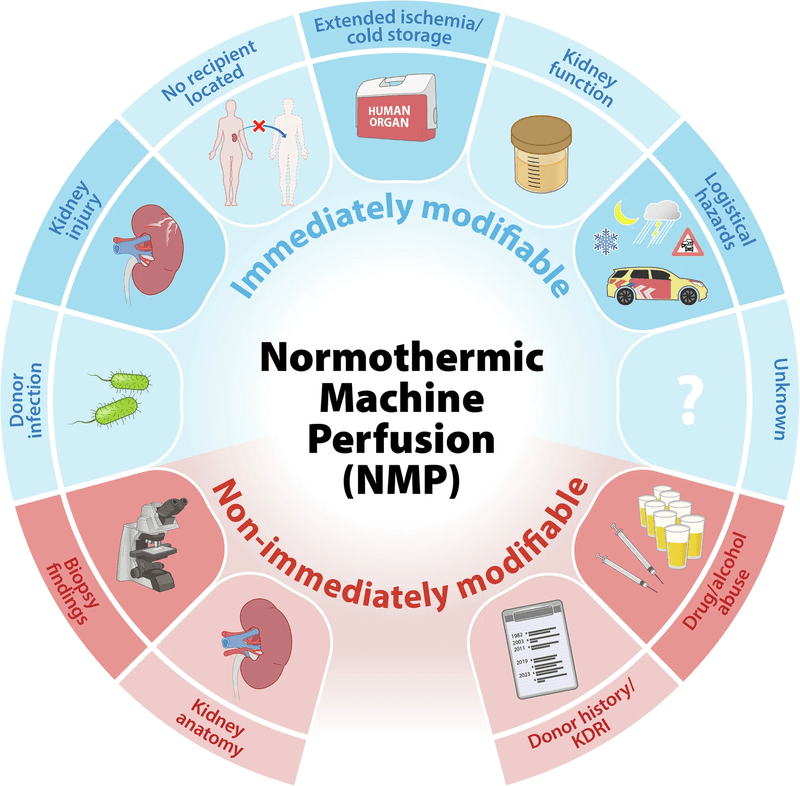
Programs should stay current on the evidence base as more trial data becomes available in coming years. The field is moving quickly, and today's open questions may have clearer answers within a few transplant cycles. Building a protocol flexible enough to incorporate new evidence keeps a program's approach from growing outdated.
Collaboration across transplant centers accelerates the pace at which the field's open questions actually get resolved. Programs sharing anonymized outcome data through registries add depth the published trial evidence alone cannot provide. Shared learning shortens the path from a promising signal in one program to a defensible standard across many.
Regulatory and reimbursement shifts will shape how quickly programs can scale discard-reduction efforts in the years ahead. Staying informed on both fronts turns kidney discard reduction into a durable program rather than a short-term experiment.
GSP's Device-Agnostic Model for Kidney Perfusion Programs
Gold Standard Preservation supports transplant programs running kidney normothermic machine perfusion, hypothermic machine perfusion, or both under a single device-agnostic clinical model. Specialists are trained across multiple perfusion platforms and handle setup, monitoring, troubleshooting, and documentation without pulling internal staff away from other cases. Coverage runs 24/7, which helps programs manage volume surges and marginal case referrals without adding fixed FTE headcount.
Specialists hold American Board for Transplant Certification (ABTC), Certified Surgical First Assist (CSFA), Certified Surgical Technologist (CST), and Certified Perioperative Blood Management Technologist (CPBMT) designations.
Case volume averages 50 per month per center across organ recovery and machine perfusion, giving specialists steady exposure to marginal organ assessment across donor types. Specialists track viability metrics, record ischemia times, and stream perfusion data directly to receiving transplant teams during hypothermic and normothermic organ perfusion.
Device-agnostic clinical flexibility matters more as the preservation technology landscape expands. New platforms enter the market regularly, and programs benefit from partners fluent across all of them rather than locked into one manufacturer. Standardized workflows and precise documentation stay consistent regardless of which device a case uses.
Move Discard Reduction Forward With an Evidence-Based Perfusion Strategy
Gold Standard Preservation supports transplant programs building evidence-based perfusion protocols for marginal organ assessment. Our device-agnostic team brings hands-on experience with normothermic and hypothermic organ perfusion workflows and the training to interpret perfusion data reliably. Programs gain a partner focused on the exact protocol elements that separate a defensible discard-reduction strategy from a reactive one.
Kidney discard reduction takes clear criteria, steady training, and disciplined outcome tracking to actually move program-level numbers. Building each element in the right sequence makes the protocol easier to explain, defend, and refine over time. Contact Gold Standard Preservation to discuss a discard-reduction strategy backed by current evidence.
Sources:
Jaynes, C. L., Goggins, W. C., Holzner, M. L., Garonzik-Wang, J., & Leuvenink, H. G. D. (2025). No kidney left behind: Rescuing unused donor kidneys for transplant at the first centralized assessment and repair center. Transplant International, 38, 15424. https://doi.org/10.3389/ti.2025.15424
Rabelink, T. J., Hosgood, S., Minor, T., Selzner, M., Weissenbacher, A., Leuvenink, H. G. D., & Schneeberger, S. (2025). Opportunities and challenges with the implementation of normothermic machine perfusion in kidney transplantation. Nature Communications, 16, 6883. https://doi.org/10.1038/s41467-025-60410-3
Kidney Research UK. (2022, September 6). Improving assessment criteria of transplant kidneys. https://www.kidneyresearchuk.org/2022/09/06/improving-assessment-criteria-of-transplant-kidneys/