
Why Organ Recovery Surgery Requires More Than Technology
Transplant programs spend heavily on machine perfusion devices, preservation tools, and surgical equipment. Those investments matter. However, organ recovery surgery does not rise or fall on technology alone. Results depend on the team in the room: their prep work, their judgment under pressure, and their ability to hold a consistent standard when conditions change. No device covers for that. Stewardship of a donated organ starts the moment the consent to donate is received, and no tool fixes a poor call made in the field.
What Organ Recovery Surgery Actually Demands
Organ recovery surgery happens in rooms the recovery team did not set up, with staff they may not know, under time pressure that leaves no room for guesswork. Field conditions change fast. Donor anatomy surprises teams regularly. On top of that, coordination with other recovery teams, recipient surgeons, and transport runs at the same time as the surgical work itself.
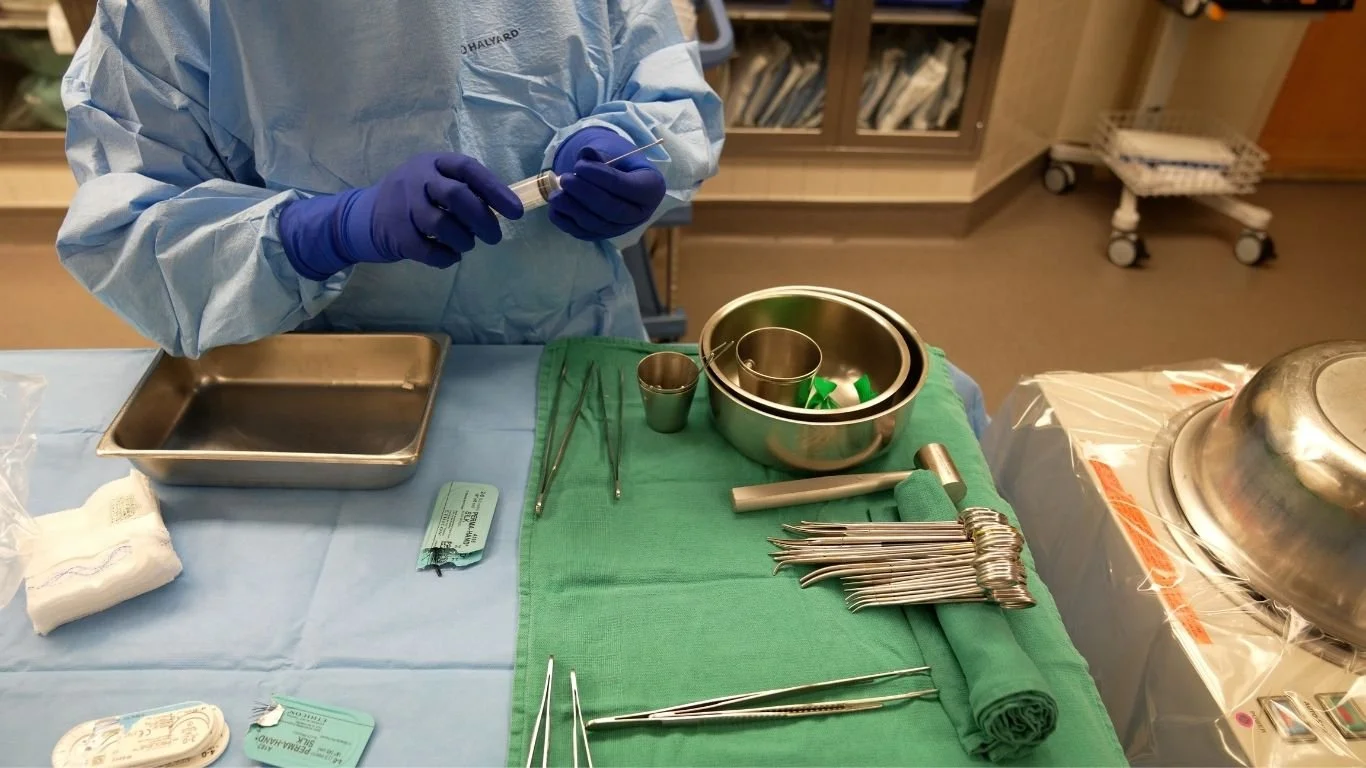
Doing that well takes more than technical skill. Recovery teams need a solid review of the case before they arrive and a clear line of communication with the recipient surgeon. They also need the judgment to know when a situation calls for real-time escalation. Clinical judgment during organ recovery surgery is not a fixed set of answers. It is active problem-solving applied to conditions that shift from case to case and often within a single case.
Reading the room as a case moves forward is part of the job. A donor with unexpected adhesions, a vessel variation that did not show in imaging, or a DCD case where timing tightens all call for a team that can adjust without dropping its standards. That ability comes from preparation, shared protocols, and a deep working knowledge of what the standard requires. Consequently, programs that treat organ recovery surgery as a logistical task rather than a clinical one assume risks they may not notice right away. Over time, that risk shows up in graft condition, surgical results, and the trust between recovery and recipient teams.
The Human Factors Technology Cannot Replace
Advanced perfusion and preservation tools cut down on injury during transport and buy more time for viable organs. Those are real gains. Yet the condition of an organ at the recipient center reflects not only how it traveled but how the recovery team handled it from the start.
Technique during organ recovery matters in ways that preservation tools cannot fix after the fact. How the team manages vessels, handles unexpected anatomy, and works within the time window all shape organ condition. Those decisions happen before preservation even begins. Poor work in the recovery room leaves damage that the perfusion machine cannot undo.
Clinical stewardship during organ recovery surgery includes:
Reviewing donor history, case complexity, and specific requirements before the operation
Staying in active contact with the recipient surgical team before and during the case
Calling out anatomical findings, injuries, or anything unexpected in real time
Handling and packaging the organ carefully from recovery all the way through handoff
Knowing when to slow down, ask for input, or escalate
Together, these responsibilities fall on the people in the room, not the tools on the table. A program that puts money into technology without putting equal effort into the people and protocols behind it will find the technology underperforms. Each of these responsibilities is part of what makes recovery a clinical discipline rather than a procedural one.
Why Consistent Recovery Quality Is Hard to Sustain
Transplant centers and OPOs rely on recovery teams that are not always the same people from case to case. Travel recovery is common practice. Teams walk into unfamiliar hospitals and work with staff they have not met before. Without a shared working standard, recovery quality shifts in ways that are hard to spot until a problem comes up.
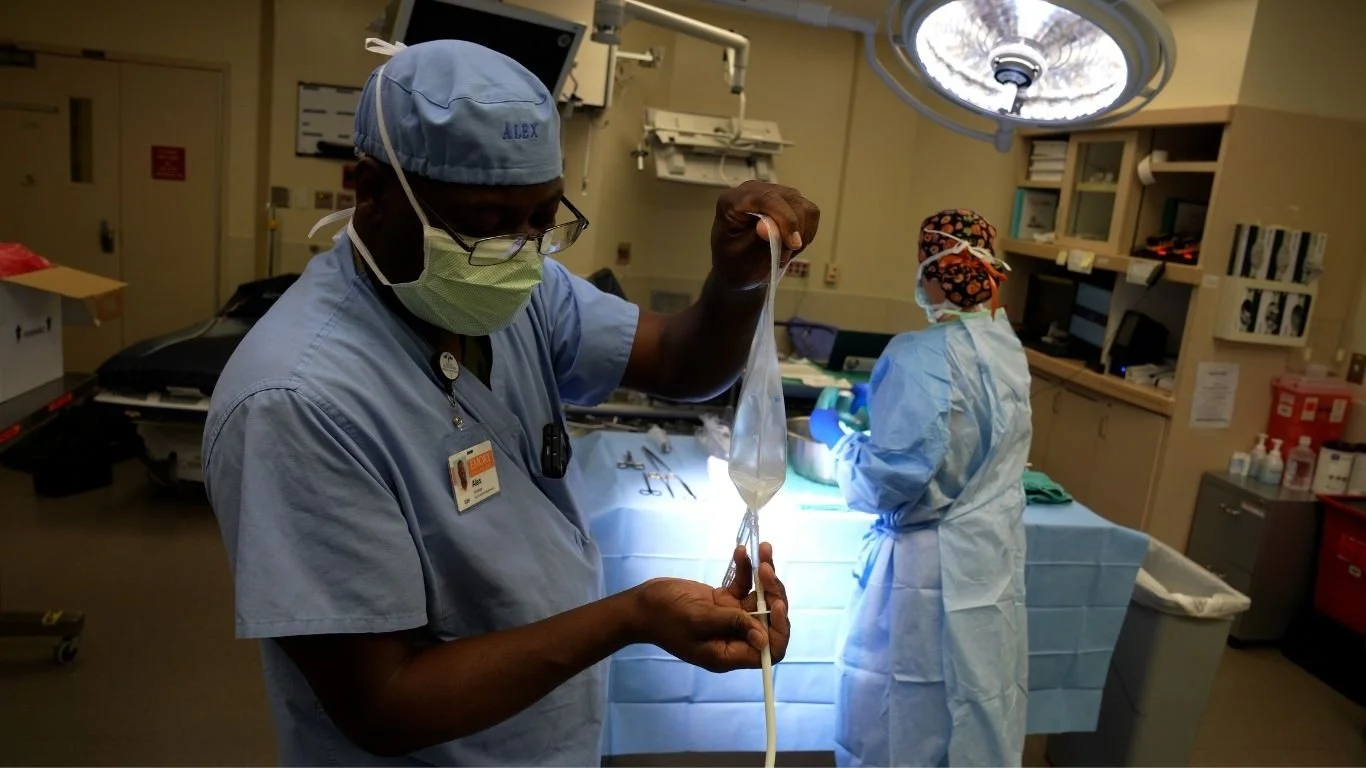
Recipient surgeons receive organs that do not match the anatomy report. Communication breaks between recovery and recipient teams. Handling differences create risk that better field habits would have stopped. In addition, when quality varies, the recipient program has no steady baseline to use when something needs to change.
Teams that cover multiple hospitals face a specific problem. Each case brings a different room, different staff, and different pressures. Holding a consistent standard in that setting does not happen on its own. It comes from preparation, shared protocols, and a working framework that every team member knows and follows no matter where they are. Programs that build that foundation see more reliable recovery quality case after case. As a result, improvement work becomes much easier to manage over time, and the relationship between recovery and recipient teams grows stronger with each case.
How Clinical Partnerships Support Stewardship in Organ Recovery Surgery
Gold Standard Preservation builds recovery support around the standard that good stewardship requires. Certified Transplant Preservationists show up ready. Communication protocols match the partner program's expectations from day one. Teams have the clinical training to handle difficult field conditions without cutting corners under pressure.
Recovery teams work inside the partner program's existing processes rather than next to them. Recipient surgeons and coordinators work with a team that knows their communication style, follows their anatomy reporting format, and holds the same standard of care on every case. Routine or complex, that standard does not change. As a result, what the recipient team already expects carries over to every recovery GSP covers.
When that same standard shows up case after case, recipient teams develop trust in the support they rely on. That trust leads to stronger working relationships and steadier case performance across the board. The ASTS Procedural Standards for Deceased Donor Organ Recovery lay out the professional baseline for organ recovery surgery: pre-operative prep, real-time communication, clear escalation, and accountability to the recipient team after the case. Gold Standard Preservation's recovery model holds to that baseline on every single case.
Explore how Gold Standard Preservation supports organ recovery programs through our recovery services page. To discuss how a clinical partnership could strengthen your program's recovery quality, reach out to our GSP team directly.