
Modern Logistics Strategies for Shipping Organs Between OPOs and Centers
Shipping organs between organ procurement organizations (OPOs) and transplant centers has moved well beyond a wet ice-based cooler and a phone call. Modern logistics now involve device-agnostic organ perfusion, real-time data streaming, and clinical teams coordinating across state lines on a tight ischemia clock. OPOs and centers that update their logistics playbook recover more organs and place them with fewer surprises at the receiving OR.
You already know that the handoff between OPO and center is where small gaps become large problems. Documentation mismatches, timing miscommunications, and inconsistent chain-of-custody all show up hours later in the recipient's numbers. The strategies below help both sides run cleaner handoffs without expanding internal FTE counts on either end.
What Are Modern Strategies for Shipping Organs Between OPOs and Transplant Centers?
Modern strategies for shipping organs between OPOs and transplant centers combine device-agnostic organ perfusion, credentialed clinical escort, standardized documentation, and real-time viability data streaming from donor site to receiving OR. You coordinate across shared timestamps, verified handoff protocols, and preservation-aware routing rather than isolated courier legs. The result is a continuous clinical workflow instead of a series of disconnected handoffs.
Why Legacy Approaches to Shipping Organs Fall Short of Modern Program Needs
Legacy logistics for shipping organs assumed a wet ice-based cooler, a courier, and a phone call could carry the clinical weight. That model held up when preservation windows were tight and device options were limited to static cold storage. It falls apart the moment your program starts running machine organ perfusion, longer transit legs, or higher-acuity recipients.
Modern OPO-to-center handoffs involve multiple devices, multiple credentials, and real-time viability data that legacy workflows were never built to carry. Coordinators end up filling documentation gaps by phone while the ischemia clock keeps running. Meanwhile, receiving surgeons work from partial information that arrives after the vehicle does.
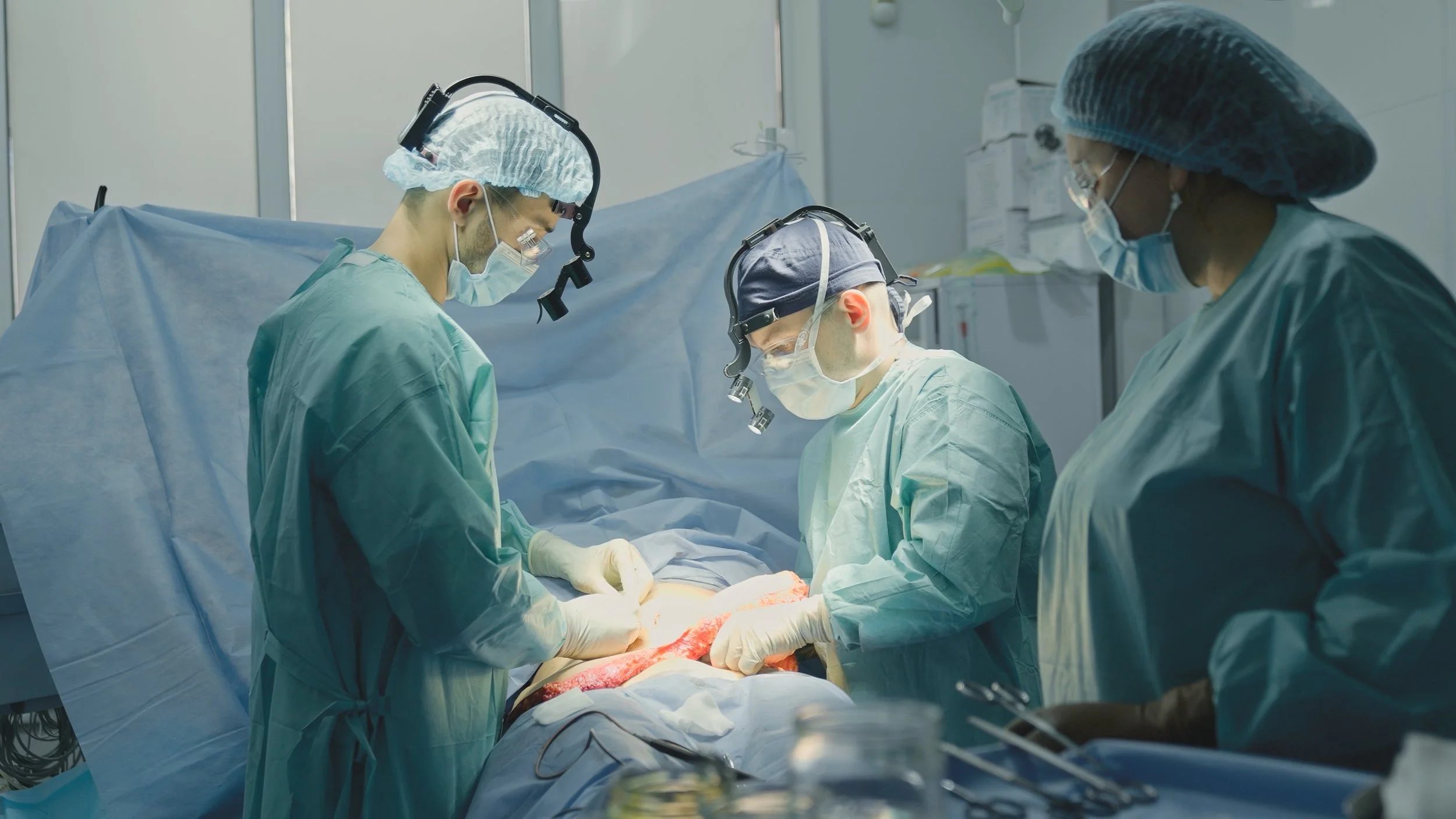
The stakes of that gap show up in the outcomes literature, where a multicenter RCT published in Nature Medicine coordinated 1-hour end-ischemic NMP versus static cold storage across DCD kidney programs. Multi-site logistics coordination proved feasible, but only when preservation, timing, and data flowed on shared protocols. Programs still running on legacy handoffs cannot participate in that class of coordinated preservation.
Facility model matters too. A narrative review in Cureus reported 27.5% higher organ yield at OPO-designated recovery centers versus standard hospital facilities. Meanwhile, programs that modernize logistics on both sides of the handoff capture more of that available yield through stronger organ transport and recovery logistics. Legacy workflows leave that yield on the table.
Integrating Device-Agnostic Organ Perfusion Into Cross-Regional Transit
Cross-regional transit puts unusual strain on preservation choices because devices, teams, and protocols vary at every stop. A device-agnostic model absorbs that variation without forcing OPOs or centers to lock into a single hardware vendor. You keep flexibility in device selection while maintaining consistent clinical execution across every case.
Practical integration means credentialed specialists who can operate current and emerging preservation platforms with the same protocol discipline. Hardware neutrality also protects your program as new preservation systems enter the market.
Real-time viability data streamed during transit gives receiving surgeons a live view of hepatic artery flow, portal vein flow, or renal resistance before the vehicle arrives. Coordinators and surgeons see the same numbers at the same time, which shortens decision cycles at the OR. Continuity of data pairs naturally with continuity of clinical presence and device-agnostic perfusion machine support during the ship.
Device-agnostic integration also reduces the coordination burden on your internal FTEs, since the clinical partner handles device readiness on both ends. Your team stays focused on the recipient, not on vendor logistics.
Building a Shared Documentation Layer Across Every Shipping Handoff
A shared documentation layer separates modern organ shipping workflows from legacy phone-and-fax coordination. Every timestamp, perfusion parameter, and handoff signature belongs in a single record that OPO and center can both audit. The layer below outlines the components that make shared documentation actually work.
• Unified Timestamps: Cross-clamp, cooler seal, vehicle departure, and hospital arrival captured in one shared record instead of separate OPO and center logs.
• Live Perfusion Parameters: Hepatic artery flow, portal vein flow, renal resistance, and lactate values streaming to receiving teams during transit rather than after arrival.
• Verified Handoff Signatures: Digital sign-off from OPO recovery, transport clinical lead, and receiving OR coordinator on the same record.
• In-Transit Alert History: Temperature deviations, device pauses, and vehicle route changes logged with timestamps for later quality review.
• Chain-of-Custody Continuity: Uninterrupted custody record from donor site through OR arrival, without documentation gaps between transport legs.
A shared documentation layer supports accreditation reviews, payer conversations, and internal quality programs on both sides of the handoff. Programs that invest in quality control during high-stakes organ donor transport build a defensible operational record over time.
How Continuous Clinical Presence Strengthens OPO-to-Center Coordination
The benefit of continuous clinical presence is that OPO and center stop working from separate timelines. Gold Standard Preservation deploys board-certified specialists holding ABTC, CSFA, CST, and CPBMT credentials across recovery, transit, and receiving handoff. Board-certified expertise at the operating table means both sides work from the same information from cross-clamp through arrival.
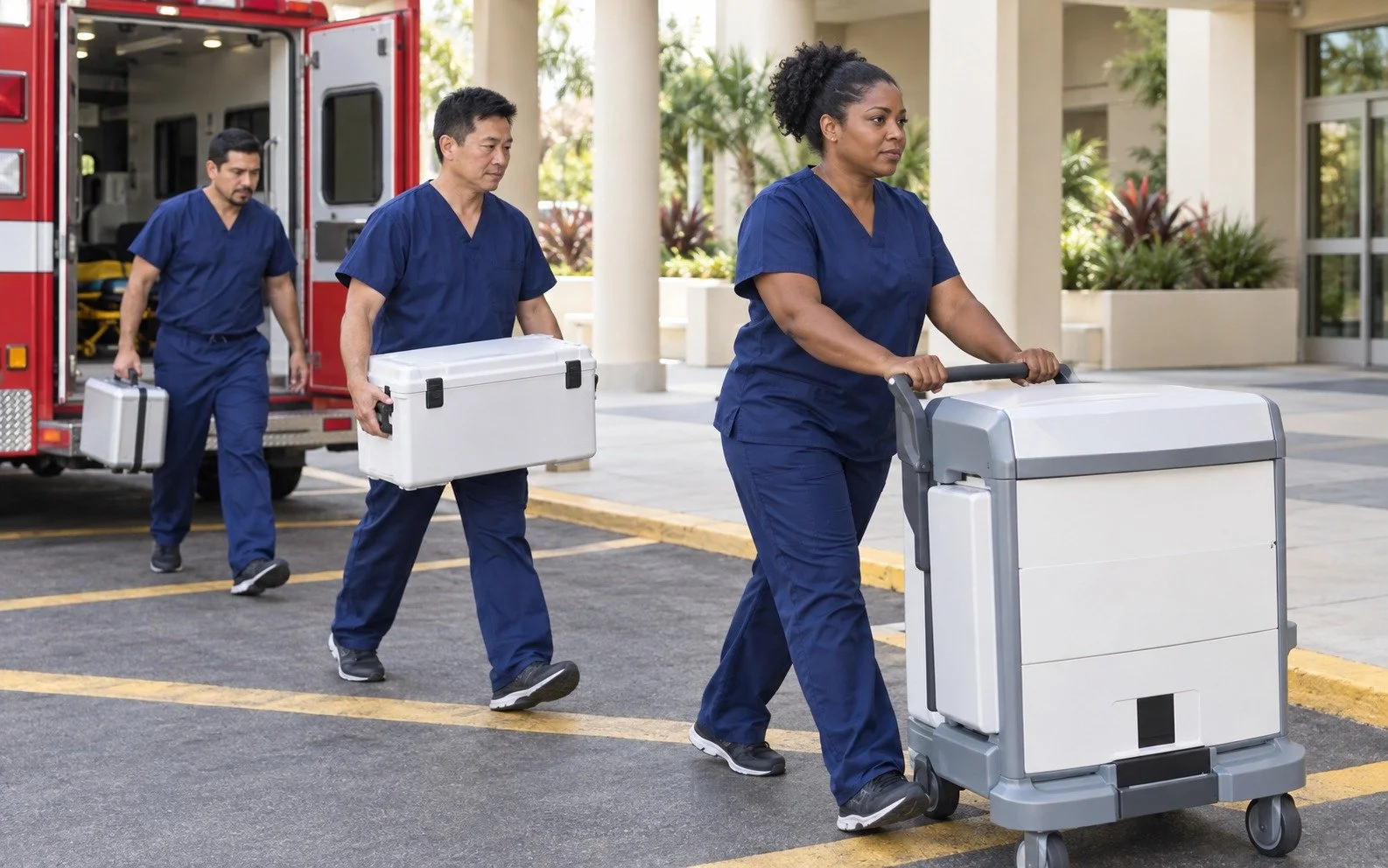
GSP averages roughly 50 cases per month per center across organ recovery and machine organ perfusion. That volume translates into protocol discipline, pattern recognition, and reliable execution when timing tightens on a cross-regional case. Programs supported by GSP gain a consistent clinical presence without adding full-time internal FTEs on either the OPO or center side.
Specialists track organ viability metrics, record ischemia times in real time, and stream data directly to receiving transplant teams during hypothermic and normothermic organ perfusion. Real-time data flow closes the coordination gap that legacy workflows for shipping organs leave open.
Device-agnostic clinical flexibility lets GSP support OPOs and centers across current and emerging preservation systems, a model that overlaps with outsourced organ perfusion services for transplant programs. Your team keeps device choice, and the clinical execution stays consistent across every case. The result is a coordination model that treats OPO recovery, transit, and receiving handoff as one continuous clinical workflow.
Ready to Modernize Your OPO-to-Center Handoff?
Shipping organs between OPOs and centers has become a clinical workflow, and the programs treating it that way protect more organs, cut coordination gaps, and give surgeons a predictable handoff every time. Modern logistics rely on device-agnostic organ perfusion, real-time data streaming, and continuous clinical presence from donor site to receiving OR. The strategies compound quickly when OPOs and centers work from the same protocols and the same record.
Gold Standard Preservation partners with transplant centers and OPOs nationwide to deliver device-agnostic clinical support, standardized workflows, and 24/7 operational readiness across recovery and organ perfusion. If your program runs cross-regional cases, adds a new preservation platform, or rebuilds coordination between OPO and center teams, we would welcome the chance to help. Reach out to us to discuss how continuous clinical presence can tighten your next handoff.