
Device-Agnostic Perfusion Machine Support for Transplant Programs
Transplant programs now work across a wider range of perfusion technologies than ever before. The perfusion machine, a program used three years ago, may not be the one it uses today. For clinical and operational leaders, the question has shifted. It is no longer just which device to use. It is whether the team supporting that device can perform consistently across platforms.
That is what device-agnostic organ perfusion support means in practice.
What Device-Agnostic Perfusion Machine Support Means
A device-agnostic clinical partner has worked across multiple perfusion machine platforms. As a result, they can deliver standardized support regardless of which technology a program uses.
This distinction matters more than it might first appear. A specialist trained on one platform brings deep familiarity with that system. However, that familiarity creates dependency. If that device is unavailable, if the program adopts a new technology, or if a case requires a different approach, the specialist's usefulness narrows. A device-agnostic team removes that constraint entirely.
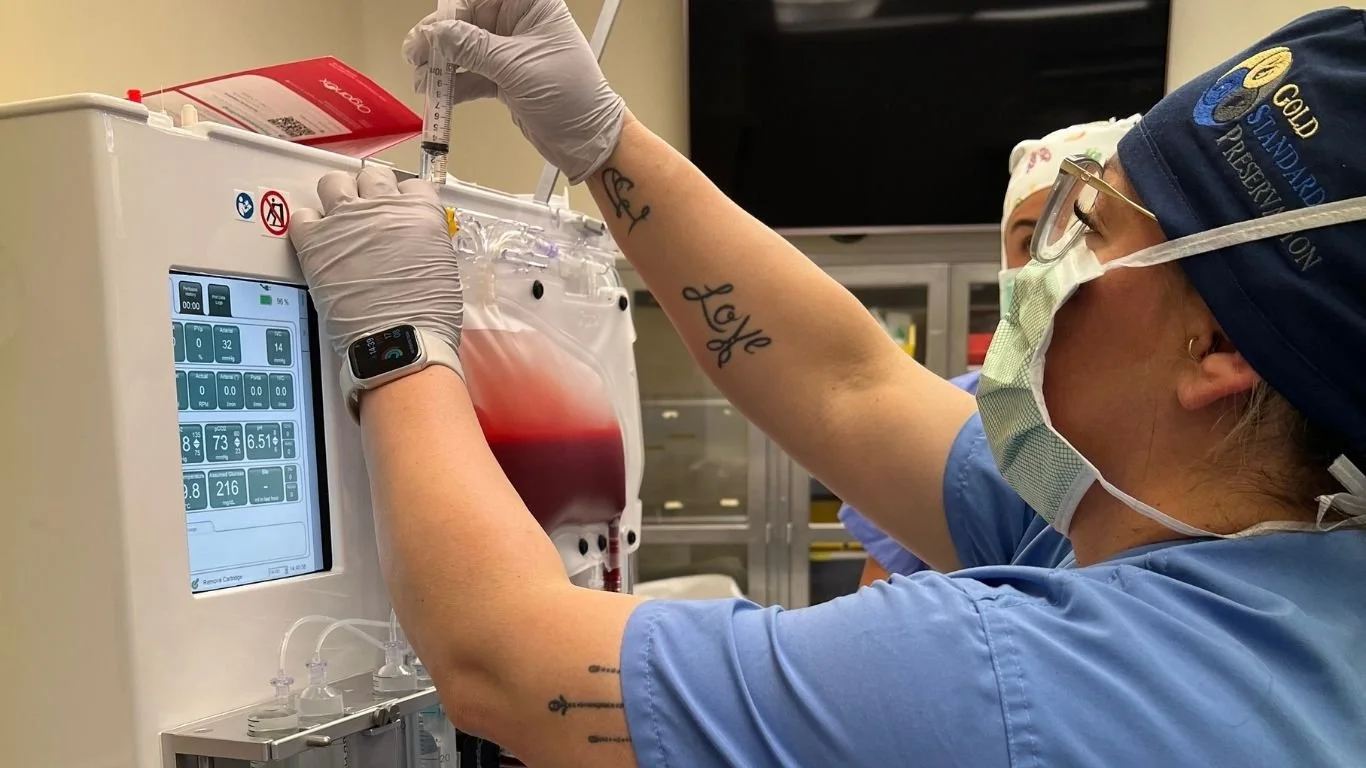
The clinical value stays consistent across both scenarios. Programs get structured organ perfusion support, properly executed, with documentation and chain-of-custody discipline that does not shift with the device. Perfusate management, acid-base strategy, and hemodynamic monitoring follow the same structured approach regardless of platform. What changes is the program's freedom to grow, transition technologies, and respond to unpredictable case demands without losing coverage quality in the process.
It is also worth noting that device-agnostic capability is not simply a staffing convenience. It reflects a deeper level of clinical training. Teams that can operate effectively across platforms have developed an understanding of organ physiology that goes beyond device operation. That foundation is what makes consistent performance possible.
Why Transplant Programs Are Reconsidering Coverage Now
The transplant field is not working from a stable technology baseline. Normothermic machine perfusion for liver and hypothermic machine perfusion for kidney are both in active adoption. Some programs use multiple devices depending on organ type or case complexity. Others are mid-transition between platforms. In each of these situations, tying clinical coverage to a single perfusion machine creates risk that is entirely avoidable.
Staffing constraints make this more urgent. Programs commonly face:
Shortages in qualified perfusion personnel
Difficulty covering overnight and weekend cases
Volume surges that outpace fixed internal headcount
Coverage gaps when experienced staff leave or take leave
Outsourced clinical support is a common response. However, its value depends on the team's breadth of training and its ability to integrate without disrupting existing workflows. A partner locked to a single platform may solve a staffing gap while creating a technology gap. A device-agnostic partner absorbs both kinds of variability so the program does not have to.
How a Perfusion Machine Partner Integrates into Your Program
Gold Standard Preservation deploys teams that align to a partner program's existing workflows. That means no requirement for the program to adapt to us. Instead, teams align to the specific perfusion machine in use, the center's documentation standards, and the surgical team's handoff expectations before and after each case.
In practice, clinical execution follows clear fundamentals:
Monitoring perfusion parameters closely throughout each case
Tracking organ behavior across temperature transitions
Responding to instability using protocol-driven steps
Documenting observations and changes in real time
Because organ perfusion is a dynamic physiologic state, teams track lactate kinetics, flow and resistance trends, and acid-base trajectories. That means responding to patterns over time rather than reacting to isolated data points. For example, a single drop in pH tells you little. A trend tells you what the organ is doing and what the next decision should be.
Structured response to instability is equally important. Rising lactate, worsening acidosis, and metabolic stagnation each require a defined protocol rather than improvised judgment. Teams document what changed, why the response was made, and what happened next. That documentation supports both real-time decision-making and post-case review.
This approach holds whether a case involves hypothermic kidney perfusion or normothermic liver perfusion. The clinical reasoning stays consistent. So does the documentation and the communication with surgeons and coordinators.
The Operational Case for Device-Agnostic Coverage
Programs that rely on a single platform carry concentrated risk. A device upgrade, a backup scenario, or a technology transition can each create coverage gaps. Those gaps affect case volume, surgical scheduling, and operational continuity. Device-agnostic support addresses this directly.
It removes single-point-of-failure exposure tied to one technology. In addition, it simplifies vendor relationships. Programs no longer need separate coverage arrangements for each perfusion machine platform they operate.
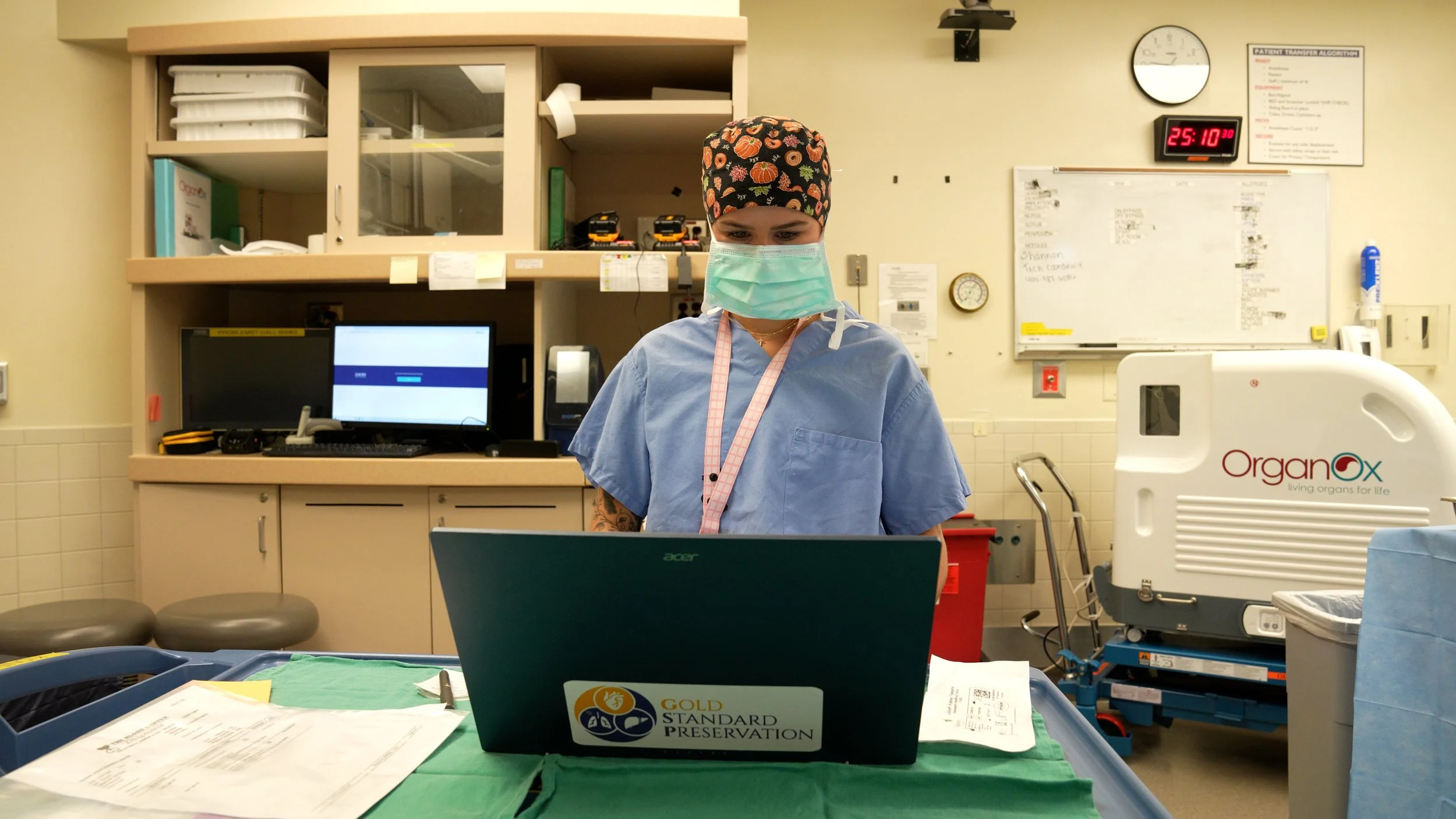
There is also a meaningful cost dimension. Building internal teams with expertise across multiple platforms requires sustained investment in hiring, training, credentialing, and retention. That investment compounds as technology evolves and new platforms enter the field. For many programs, that level of internal build is not practical or necessary. Outsourced device-agnostic coverage provides the same breadth of expertise without fixed overhead. It also scales with program volume rather than requiring permanent headcount commitments tied to case projections that shift over time.
For programs expanding into new organ types, adding a new technology platform, or extending hours across nights and weekends, a partner that requires no ramp-up on existing technology removes a real barrier to growth. The program can move forward without waiting for internal training cycles to complete.
What to Ask a Clinical Partner
Not all device-agnostic claims carry equal weight. Some teams have worked across platforms in a controlled training environment. Others have managed real cases under real conditions, nights and weekends included, with the documentation and communication discipline that transplant programs actually require. The difference is significant. The only way to assess it is to ask direct questions.
When evaluating a clinical partner for perfusion machine support, these are the questions that matter:
Which perfusion machine platforms has the team worked on?
At what volume and under what conditions?
How is competency validated across technologies?
How does the team integrate with existing surgical workflows?
A credible partner answers these specifically. They also bring structured documentation practices, clear escalation protocols, and a record of integrating without disruption.
The American Society of Transplant Surgeons emphasizes operational consistency and workforce quality as foundational to transplant program performance. Those standards apply equally to outsourced clinical partners.
Gold Standard Preservation's team holds credentials including Certified Transplant Preservationist (CTP) and Certified Surgical First Assistant (CFSA). If your program is expanding perfusion capabilities, navigating a platform transition, or closing gaps in 24/7 coverage, contact our team to discuss what device-agnostic support looks like for your specific program.