
Organ procurement surgery now depends on resources spread across several organizations rather than one team. Broader organ distribution, organ perfusion and preservation technology, and complex transport needs shape how each organ reaches its recipient. Collaborative models let organ procurement organizations (OPOs), transplant centers, and specialized clinical partners each contribute what they do best.
Your real challenge is getting those shared resources to function as one dependable system across every case. According to the National Academies, fragmentation across the U.S. transplant system remains a barrier to reliability and predictability. A deliberate collaborative model shares resources intelligently, anticipates risk, and builds relationships that hold up at every handoff.
What Are Collaborative Models for Organ Procurement Surgery and Logistics?
Collaborative models for organ procurement surgery and logistics connect OPOs, transplant centers, and other clinical partners around one workflow. Your partners can include recovery teams, organ perfusion specialists, and transportation providers, each bringing a distinct capability. However, the model looks different from one program to another, as the following arrangements show:
• A transplant center keeps its own recovery surgeons but relies on an outside team for organ perfusion.
• A program uses local recovery resources near the donor hospital to avoid unnecessary travel for its surgeons.
• An OPO provides preservation capabilities that allow a transplant center to extend the geographic reach of its program.
The value lies in deliberate choices rather than in making every program look the same. Instead, you decide which resources to maintain internally, which to share, and which a specialized partner can provide more efficiently.
Resource sharing is already happening in U.S. transplantation, as a 2026 report on hypothermic oxygenated liver perfusion shows. Indiana Donor Network surgeons and staff trained to recover, cannulate, and start portable perfusion for University of Cincinnati recipients. According to Haugen et al. (2026), an OPO-initiated portable perfusion strategy paired with local donor recovery was feasible.
As a result, specialized capabilities can be distributed across organizations instead of duplicated within every transplant program. A strong model gives you the right resources on time, reduces handoff risk, and builds relationships that improve with use.
Why Structured Collaboration Outperforms Ad Hoc Coordination in Transplant Programs
Your transplant team already collaborates every day through phone calls, text messages, transport arrangements, and organ handoffs. However, collaboration alone is not enough when every case forces you to rebuild the same coordination from scratch. The real difference is whether those interactions follow a repeatable structure or get reconstructed under pressure.
Transplantation packs many serial information exchanges into a compressed window, from organ procurement through the receiving operating room. According to Steinberger et al., a multidisciplinary failure analysis proactively exposed communication and handoff risks across that continuum.
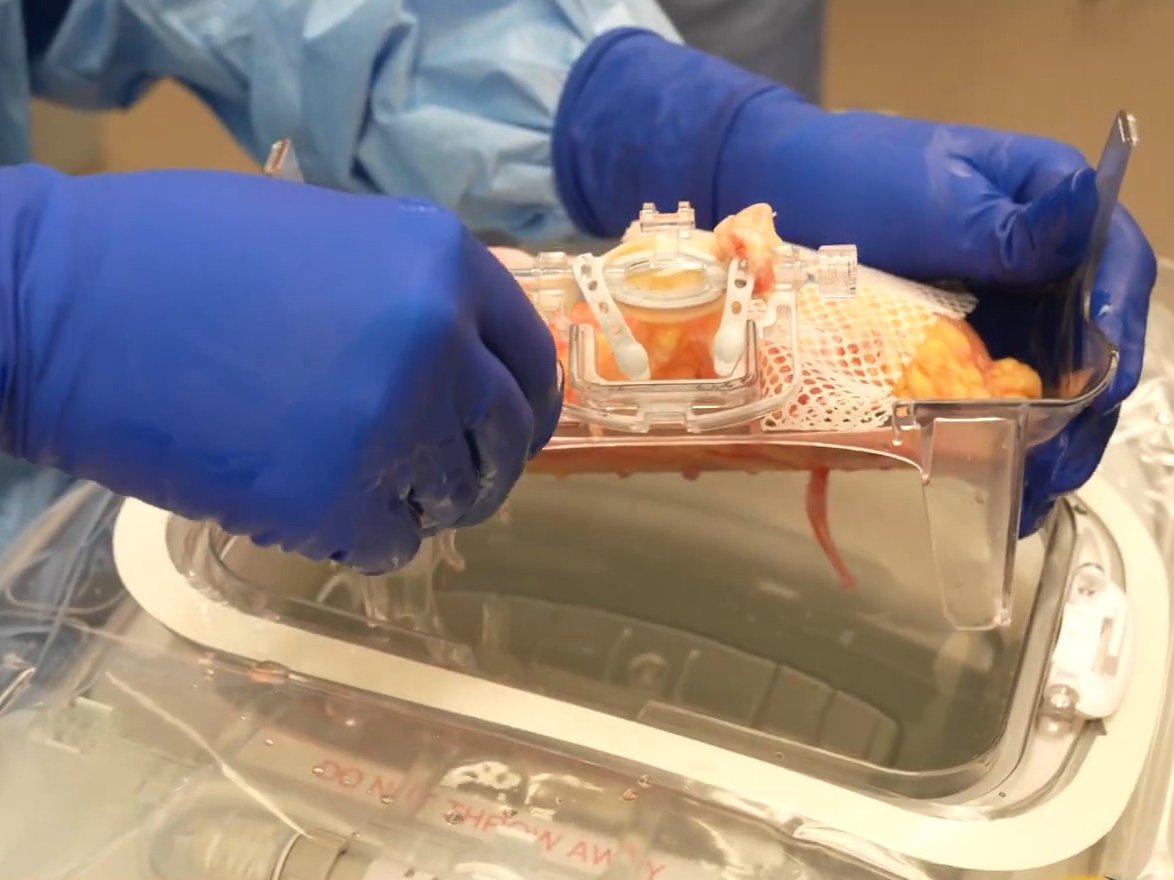
Structured collaboration sets expectations early, so you know who recovers, who runs preservation technology, and who arranges transport. Similarly, your teams agree on who communicates timing changes and who receives the organ before those questions become urgent. In addition, a structured model lets you add specialized resources without expanding permanent infrastructure for every new capability.
Organ perfusion and preservation programs show why, especially as centers add normothermic machine perfusion for livers. According to Sambommatsu et al., Virginia Commonwealth University’s first 100 normothermic liver perfusion cases required dedicated staff and training. The program also needed a dedicated perfusion space and coordination with surgery, laboratory, blood bank, records, and billing teams.
A collaborative model lets you decide which resources are a strategic internal competency and which an experienced partner can supplement. As you expand perfusion, accept distant organs, or grow volume, the question shifts from building everything to building reliability.
Defining Roles and Ownership Across the Organ Procurement Surgery Workflow
Clear ownership is what turns multiple organizations into one collaborative clinical system during organ procurement surgery. Exact titles will vary between OPOs and transplant programs, so you should focus on responsibilities instead. Before recovery begins, every party should know who owns each of the following areas:
• Recovery: Owns the surgical recovery, donor operating room coordination, operative communication, and organ disposition afterward.
• Organ perfusion: Prepares the platform, handles cannulation and back-table work, starts perfusion, monitors the device, documents parameters, and manages escalation.
• Logistics: Arranges transportation, confirms routing and timing, communicates delays, and keeps the receiving center’s arrival information current.
• Receiving center: Confirms transplant center readiness, receives the clinical handoff, and routes recovery, preservation, and timing details to the surgical team.
• Documentation: Owns each component of the record and reconciles discrepancies or missing information before the next handoff.
Documentation deserves extra attention, because collaborative workflows do not replace your regulatory responsibilities. The Organ Procurement and Transplantation Network (OPTN) sets packaging, labeling, shipping, and storage rules for transported organs. According to OPTN Policies, Policy 16, required documentation also includes specified donor and infectious disease source records.
As a result, a mature model separates shared operational information from required regulatory documentation, since each serves a different purpose. Rather than adding bureaucracy, clear roles make every transfer of ownership visible so no party assumes another has it covered.
Coordination Points That Decide Whether a Collaborative Model Actually Works
Roles establish ownership, while coordination points establish how those responsibilities connect across organizations during each case. According to OPTN guidance, teams should improve electronic sharing of operating room timing, clinical updates, cross-clamp times, and recovery progress. Your organ procurement workflow depends on the following coordination points, especially when teams are new or technology is unfamiliar:
• Pre-case alignment: Confirms the recovery plan, preservation strategy, transport needs, timing, clinical considerations, and escalation contacts.
• Recovery and cross-clamp communication: Gives every team accurate timing information and flags any deviation from the original plan.
• Preservation handoff: Documents organ condition, anatomy, baseline data, device status, and open issues, since organ perfusion is an active process.
• Transport escalation: Names who handles delays, approves alternate routes, and sends revised arrival times to the transplant center.
• Receiving handoff: Closes the loop on recovery and preservation events, current organ or device status, and any unresolved clinical issue.
According to Axelrod et al., transportation carries recognized risk for recovery personnel, prompting safety recommendations for air and ground travel. Shared documentation and real-time data flow also strengthen your organ transport and recovery logistics at each point.
Coordination points are also where relationships begin to matter, and OPTN named relationship building an operational priority. Its guidance notes that strong relationships improve communication, clarify expectations, support process improvement, and reduce inefficiency and risk. Ultimately, a collaborative model should make each next handoff between those organizations better, not just successful.
How Board-Certified Clinical Partners Strengthen Every Organ Procurement Surgery Handoff
Specialized clinical partners strengthen a collaborative model by adding capabilities your OPO or transplant center would otherwise build internally. However, the greatest value is not additional staffing alone but credentialed professionals who perform specialized workflows repeatedly. Strong partners also integrate into each organization’s operating model and help reduce OPO staff burnout.
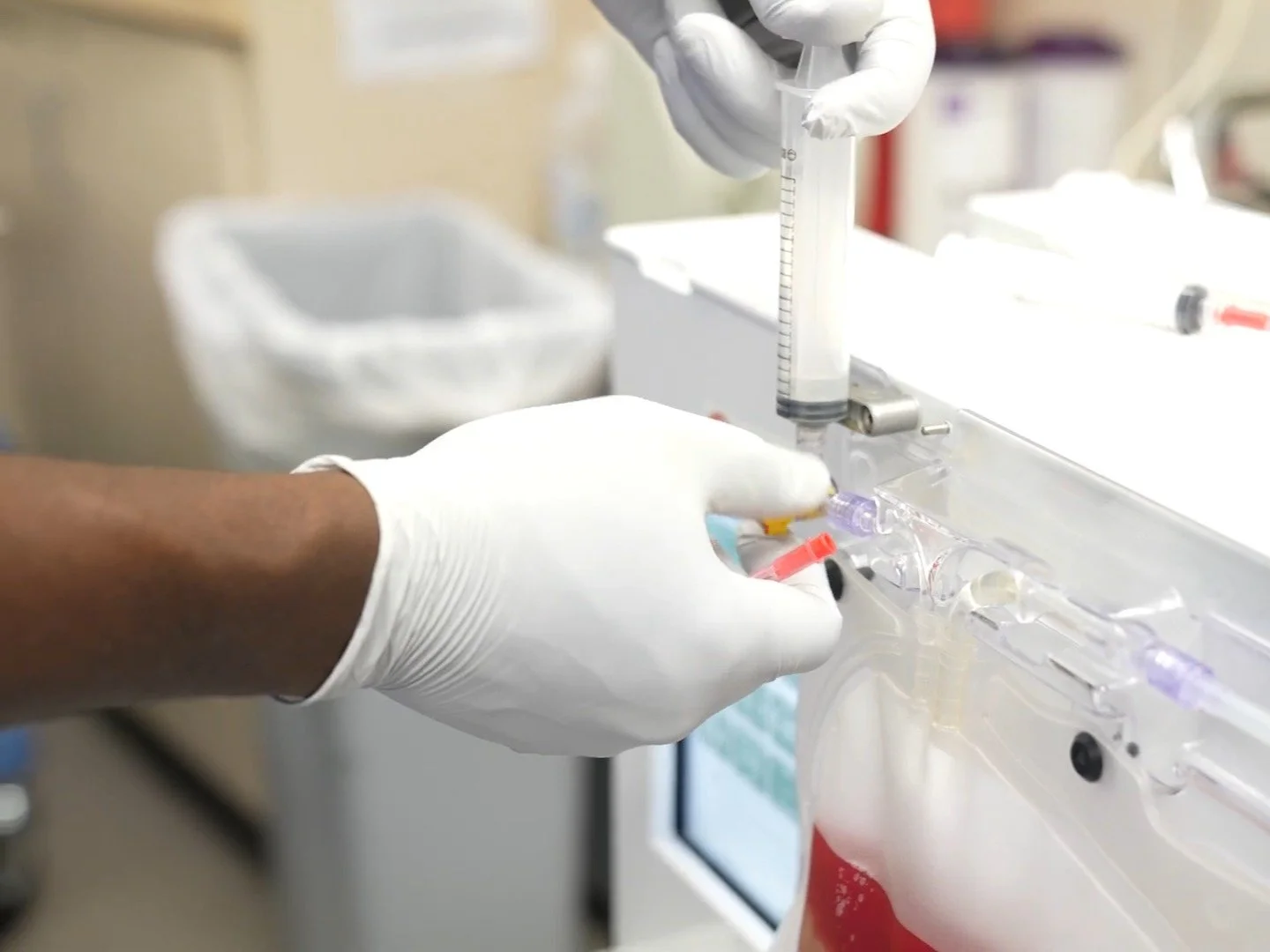
Gold Standard Preservation (GSP) supports organ recovery, organ perfusion, back-table procedures, preservation, and transplant workflows for partner programs. Because GSP remains device-agnostic, your team keeps the preservation strategy you choose instead of building workflow around one technology. Meanwhile, clinical decision-making and overall program strategy stay with your transplant center at every stage.
Flexibility matters as preservation technology evolves, because organ perfusion programs need far more than a device in the room. According to Sambommatsu et al., liver programs need dedicated staffing, training, troubleshooting protocols, multidisciplinary coordination, and defined viability processes.
According to Haugen et al., one liver program combined training, recovery resources, preservation technology, and transplant expertise across organizational lines. You can apply the same principle to organ procurement services by placing each resource where it can be delivered reliably. In addition, clear boundaries and familiarity between teams help everyone adapt when circumstances change.
Credentials and technical competency are only the starting point, and the lasting advantage comes from the relationship itself. When partners share expectations, debrief openly after difficult cases, and refine workflows together, an outside vendor becomes a clinical partner.
Ready to Formalize Collaboration Across Your Procurement Workflow?
The strongest collaborative procurement models connect the right resources around the organ instead of placing everything inside one organization. You leverage specialized expertise, define ownership before cases turn urgent, anticipate handoff risks, and build relationships that strengthen over time. As distribution expands and preservation technology advances, OPTN guidance already calls for greater collaboration, communication, and relationship building.
GSP provides device-agnostic clinical support, standardized preservation workflows, and 24/7 readiness across organ recovery and organ perfusion. Rather than replacing your existing resources, we fill operational gaps and grow into a dependable clinical partner over time. If you’re expanding preservation or evaluating your procurement model, contact our team to map where resources, risk, and responsibility meet.