
Transplant Surgeon Staffing Models for Consistent Organ Recovery and Perfusion
Transplant programs depend on consistent clinical execution across every case. The transplant surgeon at the center of a recovery or perfusion workflow relies on a supporting team that shows up prepared, follows standardized protocols, and communicates clearly under pressure. When that support is inconsistent, the surgeon absorbs the variability. So does the program. Ultimately, building staffing models that deliver reliable coverage across organ recovery and perfusion is one of the most consequential operational decisions a transplant program leadership team makes.
Why Static Staffing Models Fall Short
Most transplant programs build their initial staffing models around forecasted case volume. Full-time hires cover core hours. On-call rotations handle overflow. The assumption is that internal capacity will stretch to meet demand. In practice, that assumption breaks down in predictable ways.
Organ recovery and perfusion cases arrive on schedules that no staffing model fully anticipates. A high-volume week follows a slow one. Multiple cases land simultaneously. Key personnel take leave, move to other positions, or burn out after extended periods of overnight and weekend coverage. Furthermore, each of these scenarios creates a gap that the transplant surgeon and the broader team absorb directly, often without any structural mechanism to close it.
Static staffing models also struggle with growth. When a program expands its perfusion capabilities or takes on higher-risk cases requiring more intensive preservation support, the internal team rarely matches the new demand from the start. Additionally, the gap between current capacity and required coverage becomes a quality problem before it ever appears on a budget report.
What Consistent Transplant Surgeon Support Actually Requires
Supporting a transplant surgeon effectively across organ recovery and perfusion cases requires more than credentialed personnel filling scheduled shifts. Consistency requires people who follow the same protocols, document to the same standards, and communicate in ways the surgical team already expects.
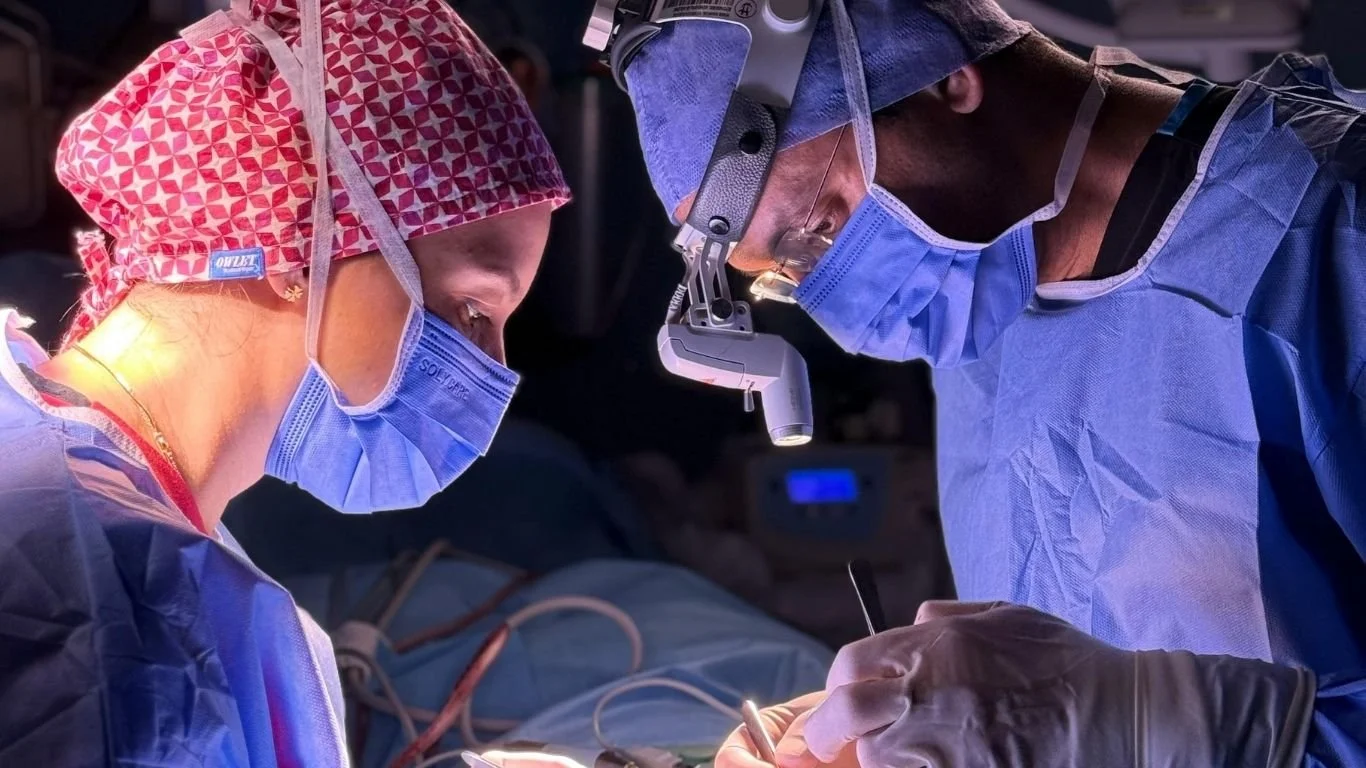
When support personnel rotate frequently or come from outside the program's established workflows, the transplant surgeon encounters variability at every handoff. Those differences show up in specific, recurring ways:
Packaging and labeling approaches at procurement vary between personnel
Escalation thresholds during perfusion shift depending on who is managing the case
Documentation formats change from case to case, limiting the program's ability to review trends
Communication patterns with the surgical team differ in ways that create uncertainty at handoff
None of these gaps are catastrophic in isolation. Together, however, they create friction that accumulates across cases and makes quality improvement harder to execute systematically.
Truly consistent staffing means the transplant surgeon can focus on the clinical decisions that require surgical judgment. Rather than compensating for gaps in the support structure, the surgeon works within a reliable, predictable team environment. Programs that achieve this standard typically combine a stable internal core with a reliable external partner who operates at the same level of protocol discipline. Consequently, the surgical team experiences consistent performance regardless of whether a case falls inside or outside normal coverage hours.
Staffing Models That Work in Practice
Transplant programs that have moved beyond static internal staffing tend to share several structural characteristics. Coverage is layered rather than dependent on a single team. External support is embedded, not parachuted in for individual cases. Protocols are documented and shared with both internal and external personnel. Teams follow those protocols consistently regardless of who covers a given case.
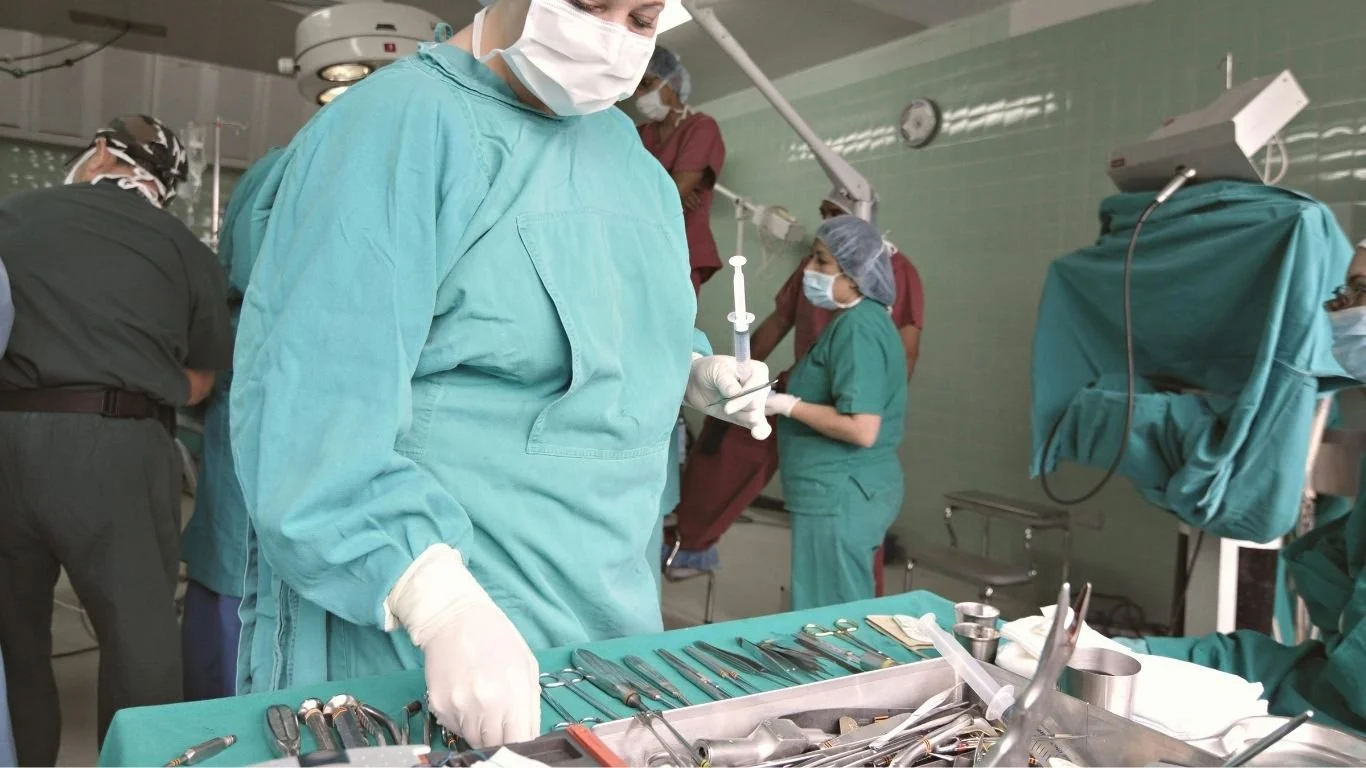
Effective staffing models for organ recovery and perfusion programs typically include:
A credentialed internal core team that owns protocol development and quality review
An external clinical partner that embeds within those protocols rather than operating independently
Clear coverage agreements that define scope, communication expectations, and escalation pathways
Documented handoff procedures that give the transplant surgeon a complete picture before the case reaches the OR
Regular case review that holds both internal and external coverage to the same quality standards
Together, these structural elements allow programs to absorb surge volume, staff transitions, and geographic expansion. The consistency the surgical team depends on stays intact regardless of what the coverage calendar looks like.
How the Transplant Surgeon Role Shapes Staffing Decisions
Transplant surgeons operate at the convergence of procurement logistics, preservation quality, and implant preparation. Each phase of that workflow depends on the team that preceded it. A poorly executed recovery creates problems the surgeon encounters at the back table. An inconsistently managed perfusion case delivers an organ whose condition diverges from what the preservation record suggested.
Staffing decisions that appear administrative carry direct clinical consequences as a result. Programs that treat staffing as a cost management exercise rather than a quality management decision tend to discover those consequences later, under conditions that are harder to address. In turn, programs that build staffing models around the surgeon's operational needs tend to deliver more reliable case performance over time. The two priorities are not in conflict. They are the same decision viewed from different angles.
The ASTS Surgical Standards for Surgeons Performing Deceased Donor Organ Procurements establish that training, consistency, and professional discipline are foundational to procurement quality. Those same standards apply to every member of the team supporting the transplant surgeon across the recovery and perfusion workflow.
Building a Coverage Model That Scales
Gold Standard Preservation works alongside transplant programs as an embedded clinical partner for organ recovery and perfusion coverage. Teams align to the partner program's existing protocols, documentation standards, and communication expectations from the first case. Coverage extends across organ recovery fly-outs, machine perfusion support, and staffing augmentation during surge periods or personnel transitions.
Because the partnership is built around the program's existing workflows, the transplant surgeon interacts with consistent execution whether a case is covered internally or by a GSP team member. There is no adjustment period, no protocol gap, and no change in communication patterns for the surgical team to absorb. That seamless integration protects the quality baseline the program has already built. It extends that baseline into the coverage scenarios the internal team cannot sustain alone, including consecutive overnight cases, multi-case surge periods, and long-term staffing transitions that would otherwise force the program to choose between coverage and consistency.
To learn more about how Gold Standard Preservation supports organ recovery programs, visit our organ recovery services page. If your program is ready to discuss a coverage model built around your surgical and operational needs, contact our team directly.