
Hypothermic kidney perfusion has moved from an emerging technique into a foundational tool for extended-criteria and donation after circulatory death (DCD) kidney programs. The clinical case for it now rests on peer-reviewed data showing measurable reductions in delayed graft function and better real-time viability assessment before implantation. Programs still relying on wet ice-based storage alone are leaving both outcomes and organ utilization on the table.
You already know the operational strain that comes with expanding kidney recovery into higher-acuity cases and longer transport windows. Hypothermic machine organ perfusion changes what your program can actually accept, evaluate, and place within a defensible clinical margin. The clinical benefits below explain why the technique has become standard in high-performing kidney programs.
What Are the Clinical Benefits of Hypothermic Kidney Perfusion?
Hypothermic kidney perfusion continuously circulates a cold preservation solution through a donor kidney, protecting the organ before transplant. The process reduces tissue injury and cuts post-transplant complication rates for the patients your program serves. Just as importantly, it buys crucial time, converting midnight emergency surgeries into safer daytime procedures for your team.
The Clinical Mechanism Behind Hypothermic Kidney Perfusion and Graft Protection
Hypothermic kidney perfusion continuously circulates a chilled preservation solution through the donor kidney at temperatures between 4 and 8 degrees Celsius. The technique slows cellular metabolism, can deliver oxygen and substrates to the tissue, and washes out metabolic waste that would otherwise accumulate during static cold storage. Consequently, the kidney arrives at the recipient with less ischemic injury than wet ice-based preservation alone can achieve.
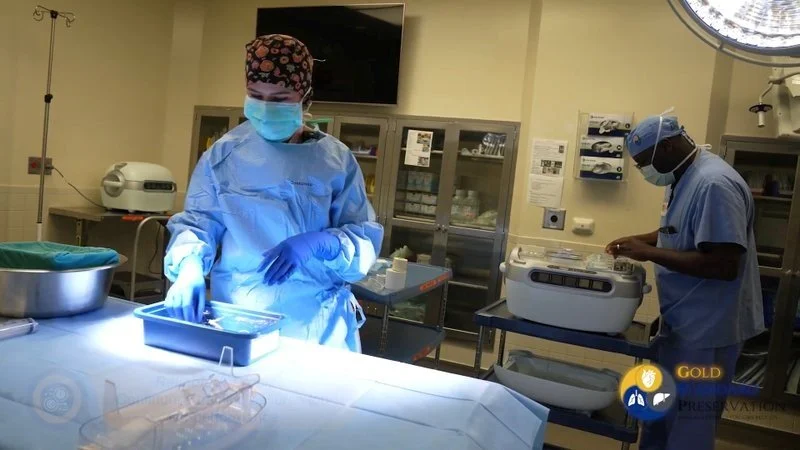
Static cold storage relies on the Q10 effect, which describes how metabolism slows with every 10°C drop in temperature. Cooling slows metabolism but does not stop it, so metabolic waste keeps building up across the preservation window. However, hypothermic machine organ perfusion actively addresses that accumulation while also providing measurable perfusion parameters throughout the storage period. Renal resistance, flow rate, and pressure become clinical data points rather than assumptions.
Furthermore, hypothermic kidney perfusion gives surgeons more time to evaluate the kidney before committing to transplant. Your team can confirm the right kidney for the right patient without the pressure of an immediate decision.
Ultimately, the mechanism matters most for extended-criteria and DCD kidneys, where every operational advantage compounds. Programs building hypothermic kidney perfusion programs design workflows around these mechanistic benefits from the start.
Measurable Clinical Benefits Documented Across Recent Peer-Reviewed Studies
Peer-reviewed evidence for hypothermic kidney perfusion has strengthened significantly in the past few years. Multiple studies now document measurable clinical benefits across delayed graft function rates, viability assessment, and organ utilization. In practice, the benefits below are drawn from the current evidence base.
• Reduced Delayed Graft Function: A multicenter RCT in NEJM reported delayed graft function (DGF) rates of 19 percent with machine perfusion versus 30 percent with therapeutic hypothermia alone in brain-dead kidney donors.
• Early Function Indicators: Research in Scientific Reports showed that a 54 percent relative renal resistance decrease during HOPE predicted primary function versus 25 percent decrease predicting DGF, with a p-value of 0.013.
• Extended Safe Preservation Windows: A cohort study in Kidney Medicine analyzed 179,347 kidney transplants and found that kidney donor profile index carried more outcome weight than cold ischemia time alone.
• Actionable Perfusion Parameters: HOPE circuits deliver measurable pressure (25 mmHg), temperature (0 to 4 degrees Celsius), and oxygenation (60 to 80 kPa pO2) throughout preservation, parameters documented in Scientific Reports.
• Improved Placement Confidence: Real-time perfusion data gives receiving centers stronger acceptance criteria for extended-criteria kidneys that might otherwise be declined.
Consequently, the evidence base has moved hypothermic kidney perfusion from optional to expected in most high-performing kidney programs. Similarly, investment in the technique improves both graft outcomes and kidney placement success rates.
Operational Implications of Hypothermic Kidney Perfusion for ECD and DCD Case Mix
Adopting hypothermic kidney perfusion changes what your program can operationally accept, evaluate, and place. Similarly, extended-criteria and DCD kidneys become more viable with real-time data supporting acceptance decisions. In practice, the operational implications below shape how kidney programs actually run once the technique is in place.
• Expanded Case Acceptance: Programs can accept higher-KDPI and DCD kidneys with more confidence, backed by real-time viability data during preservation.
• Longer Transport Windows: Preservation windows extend safely, giving your program flexibility on transport distance and receiving OR scheduling.
• Better Placement Decisions: Receiving centers gain perfusion parameters that support acceptance instead of defaulting to decline on marginal kidneys.
• Reduced Off-Hours Pressure: Longer safe windows let programs schedule transplants during daylight hours instead of forcing overnight cases.
• Stronger Utilization Metrics: Programs adopting hypothermic machine perfusion (HMP) consistently see improved kidney utilization rates across their extended-criteria case mix.
Meanwhile, the technique fits naturally into broader modern organ preservation flexibility strategies most kidney programs are already building. As a result, operational and clinical benefits reinforce each other across every case the program supports.
How Certified Perfusion Support Strengthens Every Kidney Case
Notably, Gold Standard Preservation deploys clinical specialists trained specifically on hypothermic machine organ perfusion for kidney recoveries. Support runs from initial HMP setup at the donor site through real-time parameter monitoring during transport and receiving handoff.
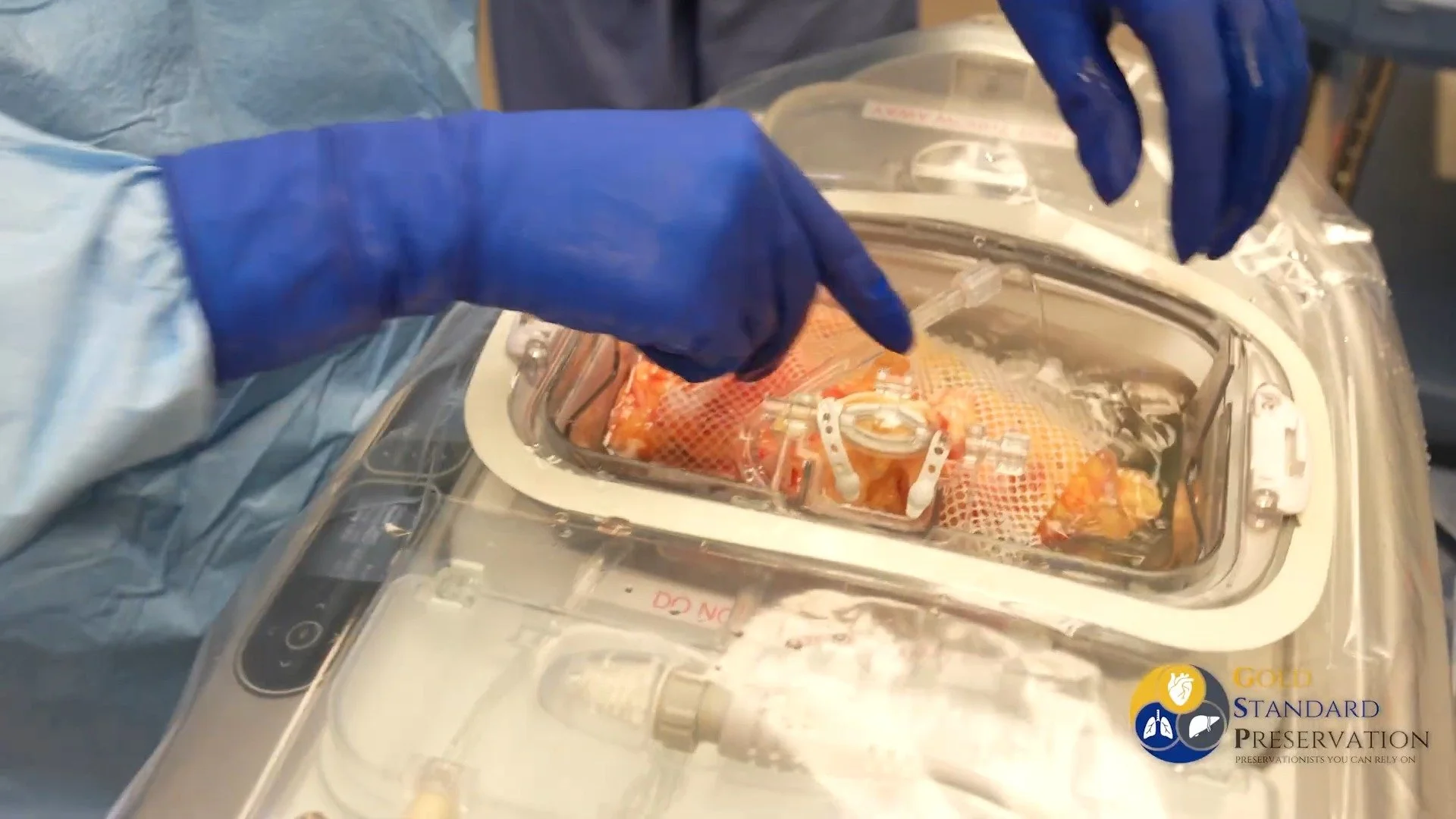
The direct benefit is a kidney that arrives with verified ischemia timing, stable temperature, and real-time perfusion management. Additionally, specialists stream renal resistance, flow, and pressure data directly to receiving transplant teams throughout the preservation window. Consequently, real-time data flow lets your team make placement decisions on live information rather than end-of-transit summaries.
Gold Standard Preservation (GSP) supports kidney programs across current and emerging HMP platforms without vendor lock-in. Furthermore, your program keeps device choice, and clinical execution stays consistent across every case regardless of hardware.
The result is a kidney recovery workflow where preservation, data, and handoff run on one continuous clinical thread. Programs supported this way develop multi-platform perfusion competency as a byproduct of the on-case partnership itself.
Ready to Strengthen Your Kidney Program's Preservation Workflow?
Hypothermic kidney perfusion has become foundational for programs serious about expanding utilization on extended-criteria and DCD kidneys. Peer-reviewed data supports measurable reductions in delayed graft function and expanded operational flexibility across every case. The clinical and operational benefits reinforce each other in ways static cold storage alone cannot match.
Gold Standard Preservation partners with transplant centers and organ procurement organizations nationwide to deliver device-agnostic clinical support, real-time perfusion data streaming, and 24/7 operational readiness across kidney recovery and machine organ perfusion. Send us a message to explore what stronger preservation support can deliver for your kidney program.