
At two in the morning, a kidney pump alarm calls for a clear assessment of what changed. During hypothermic machine perfusion (HMP), high-pressure alerts, an inability to reach the selected pressure, bubble-detection alerts, and temperature warnings each require a different interpretation. Understanding those differences helps teams address the issue without mistaking an operational problem for poor graft quality.
Effective kidney perfusion management extends beyond responding to alarms. Proper cannulation, correct disposable placement, visual assessment, and ongoing temperature management all contribute to consistent preservation. Experienced personnel connect those findings with the pump readings and communicate meaningful changes to the transplant team.
Why Perfusion Pump Parameters Stop Moving Together
Pressure, flow, and renal resistance are connected. Resistance is calculated from perfusion pressure and flow. At the same measured pressure, increasing flow corresponds to decreasing resistance, while decreasing flow corresponds to increasing resistance.
When the readings appear inconsistent, first establish whether the operating conditions changed. The selected pressure setting is also different from measured pressure. For example, LifePort displays measured systolic and diastolic pressures while attempting to achieve the selected systolic pressure. Understanding the device’s pressure measurements is essential when interpreting its calculated resistance.
What Does It Mean When Perfusion Pump Readings Don't Match?
Unexpected readings should prompt assessment of the perfusion conditions, disposable setup, cannulation, and kidney. They do not independently establish device failure or graft injury.
Review the alarm message and compare the current readings with the preceding trend. Note any pressure adjustment, interruption, transport movement, or repositioning that occurred around the same time. An abrupt change can help identify when an event occurred, but neither an abrupt change nor a gradual drift establishes its cause.
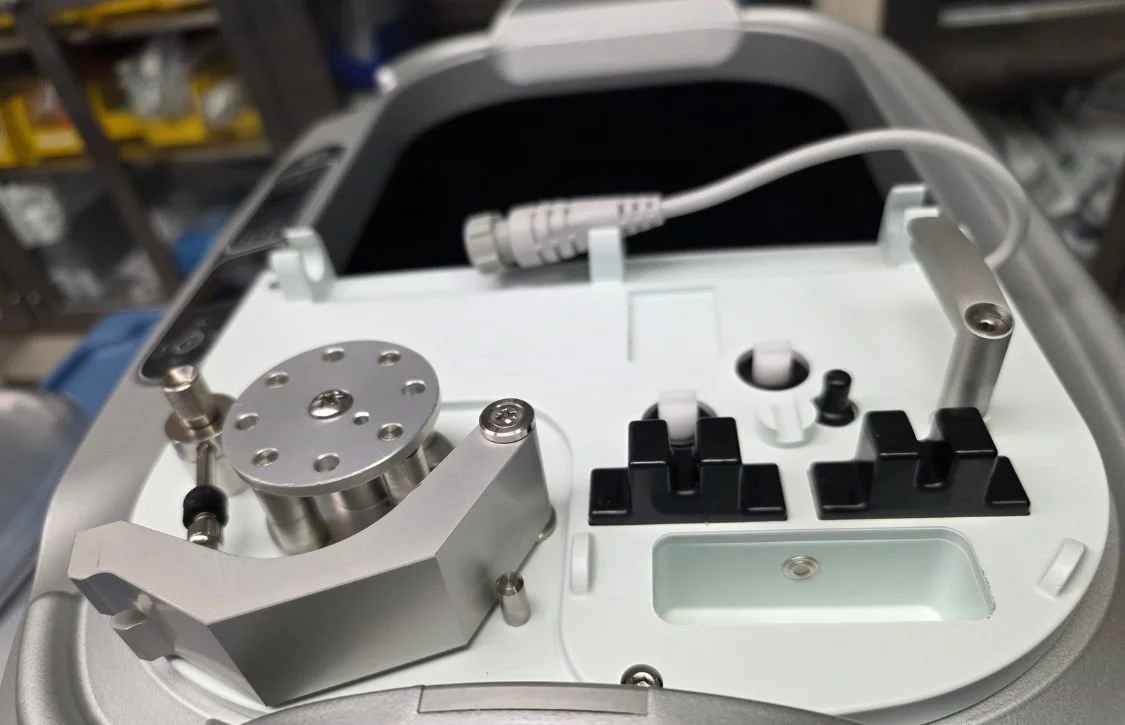
A properly trained Certified Transplant Preservationist (CTP) adds hands-on assessment to this review. That includes visually evaluating the kidney, identifying and correcting cannulation problems, securing leaking arterial branches, and verifying disposable placement. Documenting those findings and the response to each intervention makes the readings more useful to the accepting surgeon.
Common Alerts: Cannulation, Disposable Placement, and Temperature
In GSP’s day-to-day experience, troubleshooting more often concerns setup, cannulation, positioning, and preservation conditions than internal machine failure. The practical focus is correct operation and active management of the organ throughout the run.
High Pressure or Occlusion
High-pressure and occlusion alerts warrant assessment for restricted perfusate delivery. Compressed tubing, a twisted or poorly positioned renal artery, and cannulation that obstructs inflow can interfere with perfusion. Extremely high resistance also requires assessment of the kidney, its positioning, and the circuit. The exact alarm message should guide the response using the platform’s instructions.
Inability to Reach the Set Pressure
An inability to reach the selected pressure can occur when resistance is too low. Possible explanations include a poor cannula seal, an open arterial branch, or a genuinely low-resistance kidney.
When a leak is present, high displayed flow may include perfusate escaping rather than passing through the kidney’s vascular bed. Visual assessment is therefore essential before interpreting high flow and low resistance as favorable findings.
Bubble-Detection Alerts
A bubble-detection alert does not necessarily establish that air is inside the perfusate line. Improper disposable placement can leave an air gap between the tubing and the bubble sensor, interfering with detection.
Assessment should include tubing placement and sensor contact, while also checking for actual air according to the device’s instructions. Identifying the cause helps avoid repeated interruptions without overlooking a true air-related concern.
Temperature Warnings
Temperature management belongs in the routine assessment throughout HMP. Following temperature trends and replenishing ice appropriately helps maintain steady preservation conditions before a warning develops.
Where the platform provides separate ice-chamber and perfusate temperatures, both should be monitored. Pressure and flow readings cannot replace verification that the kidney is being maintained at the appropriate temperature.
Physiological Causes Behind Perfusion Pump Readings: Vascular Resistance and Graft Response
When setup and cannulation checks do not explain an abnormal trend, the kidney’s vascular and tissue characteristics require consideration. Vascular disease, ischemic injury, and changes in vascular tone may influence perfusion. High resistance alone does not diagnose vasospasm or establish graft failure.
Tissue swelling also matters. Fluid can accumulate within cells and in the interstitial spaces between them. Swelling and increased tissue pressure can impede microvascular perfusion and contribute to increased resistance. Visual assessment may identify developing swelling, although appearance and pump readings alone cannot establish its underlying cause.
Why Raising Pressure to Chase Flow Can Mislead
Increasing pressure can increase flow without reducing resistance. If flow rises proportionally with pressure, the resistance may remain essentially unchanged. The higher flow then reflects greater driving pressure rather than demonstrated improvement in the kidney’s vascular response. An experimental comparison of two HMP platforms illustrated this relationship: higher pressure was accompanied by proportionally higher flow, while resistance remained similar.
For that reason, a more favorable flow number should not be the sole purpose of a pressure adjustment. Pressure changes must follow the approved protocol, and subsequent readings must be interpreted against the new setting. Documenting the adjustment prevents later reviewers from mistaking pressure-driven flow for an improvement under unchanged conditions.
Teams working across devices also need to understand platform differences. GSP’s approach to competency across multiple organ perfusion equipment platforms emphasizes device-specific knowledge alongside practical assessment skills.
How Misread Pump Data Can Contribute to Unnecessary Kidney Discards
Unfavorable pump readings can contribute to declining kidneys that may still be suitable for transplantation. In a 2003 case series, Sonnenday and colleagues reevaluated 14 kidneys previously refused after poor pulsatile-perfusion parameters. Eleven were subsequently transplanted and had acceptable function at follow-up. This selected series illustrates the importance of considering the complete donor assessment; it does not prove that the original readings resulted from technical problems.
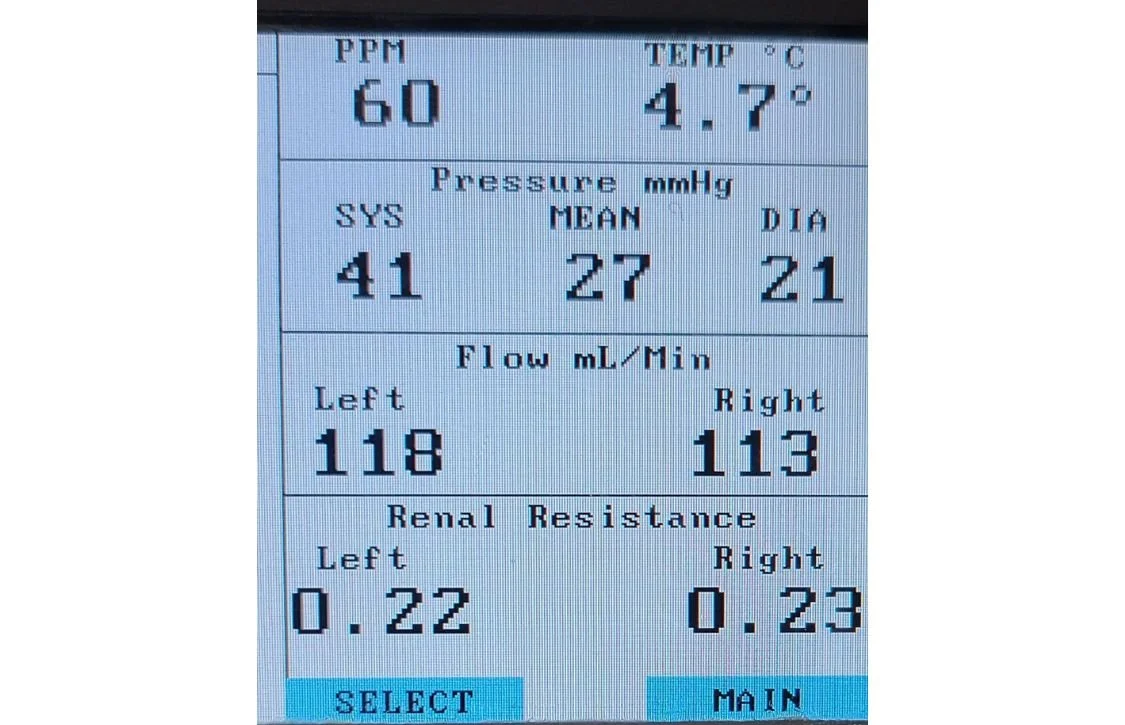
A study of 302 machine-perfused kidneys likewise found that renal resistance contributed prognostic information but lacked sufficient precision as a stand-alone assessment tool. Acceptance decisions require consideration of donor history, ischemic times, anatomy, biopsy findings when available, and the documented perfusion course.
The transplant team needs more than the final flow or resistance value. It needs to know the pressure used, whether leaks or restrictions were identified, what interventions occurred, how temperature was maintained, and how the kidney responded.
Prepared programs establish those responsibilities before activation. GSP’s approach to emergency perfusion pump deployment readiness connects equipment preparation, staff competency, escalation, and handoff.
Keep Expert Perfusion Pump Support Within Reach
Reliable HMP management combines device knowledge, visual assessment, appropriate pressure management, temperature control, and clear documentation. These responsibilities continue throughout preservation, even when the pump is running without alarms.
Gold Standard Preservation provides around-the-clock organ perfusion support, including kidney HMP monitoring, troubleshooting, and coordination with the transplant team. Our preservationists assess the kidney and circuit, address cannulation and setup problems, maintain preservation conditions, and communicate unresolved concerns through the program’s escalation pathway.
For programs evaluating outsourced organ perfusion services, that support brings experienced personnel into the existing clinical workflow. Contact our team to discuss kidney perfusion coverage for your program.