
Enhancing Surgical Reliability With Dedicated Transplant Specialist Support
Surgical skill alone rarely produces reliable outcomes without a dedicated transplant specialist managing the variables around it. A specialist handles perfusion oversight, real-time documentation, and case coordination so those responsibilities never fall to the surgical team. Delegating these non-surgical variables insulates surgical teams from cognitive overload, changing how reliably a program handles its hardest cases.
Programs without dedicated transplant specialist support often see reliability drop exactly when cases get complicated. Surgeons forced to juggle perfusion management alongside the operation introduce risks that a focused specialist would absorb instead. The sections below cover what a strong support model looks like and why it matters for surgical reliability.
The Gold Standard Preservation (GSP) Approach to Surgical Excellence
Transplant specialist support must go beyond basic coverage to truly impact reliability. Gold Standard Preservation (GSP) structures clinical support around high-volume execution, elite credentials, and platform versatility.
Board-Certified Expertise at the Operating Table
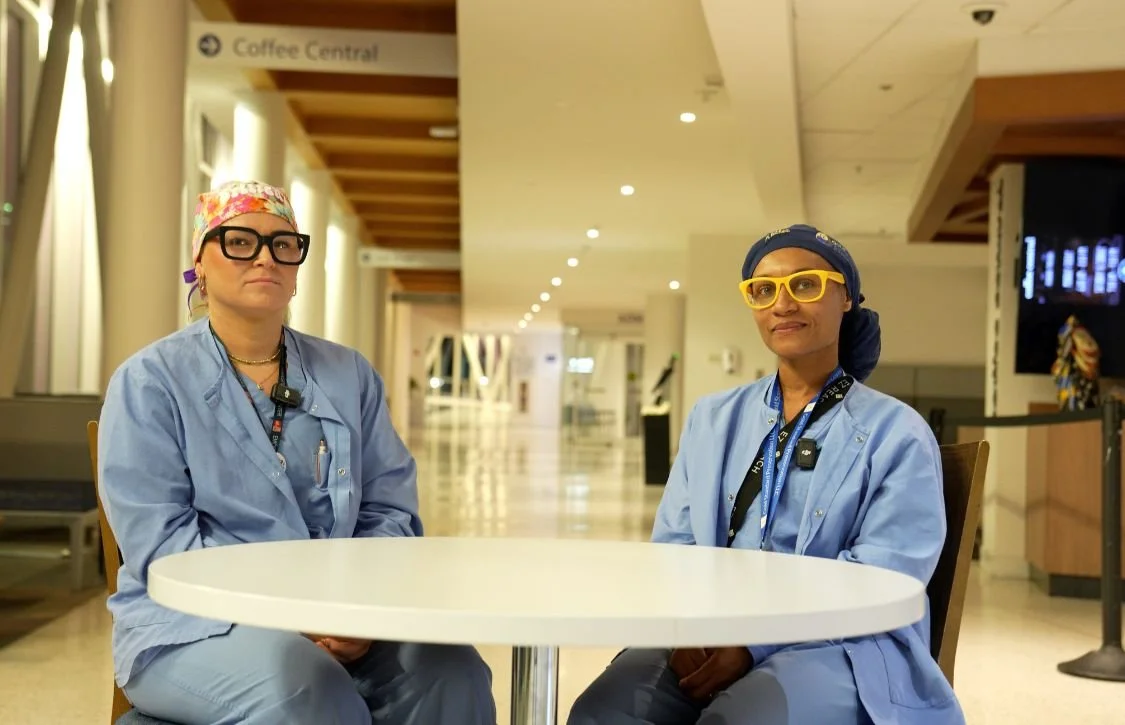
To maintain absolute precision during high-stakes recoveries, clinical teams must bring proven credentials. GSP specialists hold top-tier certifications, including American Board for Transplant Certification (ABTC) credentials, Certified Surgical First Assist (CSFA), Certified Surgical Technologist (CST), and Certified Perioperative Blood Management Technologist (CPBMT) designations. This level of rigorous training ensures uninterrupted compliance, meticulous blood product tracking, and elite surgical support.
Proven High-Volume Execution
Reliability stems from repetitive, disciplined execution. Operating at a scale averaging 50 cases per month per center across organ recovery and machine perfusion, GSP clinicians handle high case complexity daily. This constant clinical cadence eliminates learning curves and guarantees rapid, standard-setting execution in every donor operating room.
Device-Agnostic Clinical Flexibility
Managing extended-criteria donor organs or multi-organ recoveries frequently requires versatility across diverse preservation systems. Equipment management is paramount. A specialist trained to set up, monitor, and troubleshoot devices, without pulling surgical staff away from the procedure, mitigates significant risk. GSP’s device-agnostic model allows specialists to seamlessly operate any machine perfusion platform. This expertise matters especially when a program utilizes more than one manufacturer’s equipment across different case types.
Real-Time Data Interpretation and Multi-Organ Coordination
Perfusion parameters shift throughout a case, and a specialist trained to read those changes can flag concerns early. Dynamic clinical shifts during hypothermic or normothermic perfusion demand continuous monitoring. GSP specialists track organ viability metrics, record ischemia times as they occur, and stream precise data directly to receiving transplant teams, keeping everyone aligned on organ condition as the case progresses.
Multi-organ recoveries add another layer of complexity. Coordinating perfusion across more than one organ, often on more than one device, strains a surgical team already focused on the procedure. A dedicated specialist handles that coordination, keeping every organ’s data visible without pulling attention from the operating table.
Making Specialist Support a Standard Practice
Surgical reliability in transplant medicine depends on removing preventable variables from the operating room. A dedicated transplant specialist absorbs equipment management, data interpretation, and documentation so the surgical team can focus entirely on the procedure. Programs that build this support into every complex case see fewer surprises and better outcomes.
Programs that wait until after a difficult case to add specialist support usually pay a steeper price than those that plan ahead. Building this role into the case protocol from the start costs less than reacting to a near miss. Early investment protects both surgical reliability and staff confidence going forward.
Standardizing specialist coverage also gives surgeons a predictable working environment across every case type. Consistency between routine and complex cases keeps the surgical team’s attention where it belongs during the operation. Steady coverage compounds into stronger outcomes as volume and case complexity grow together.
Add Dedicated Transplant Specialist Support to Your Surgical Team
Gold Standard Preservation provides highly credentialed, device-agnostic clinical specialists for programs handling complex transplant cases. Our team integrates directly into surgical workflows, absorbing perfusion management and documentation so the surgical team stays focused. Programs gain a reliable partner built around the variables that most often affect case outcomes.
Contact Gold Standard Preservation to evaluate your program’s coverage depth and add dedicated specialist support to your surgical team.